Sayima Ahmad
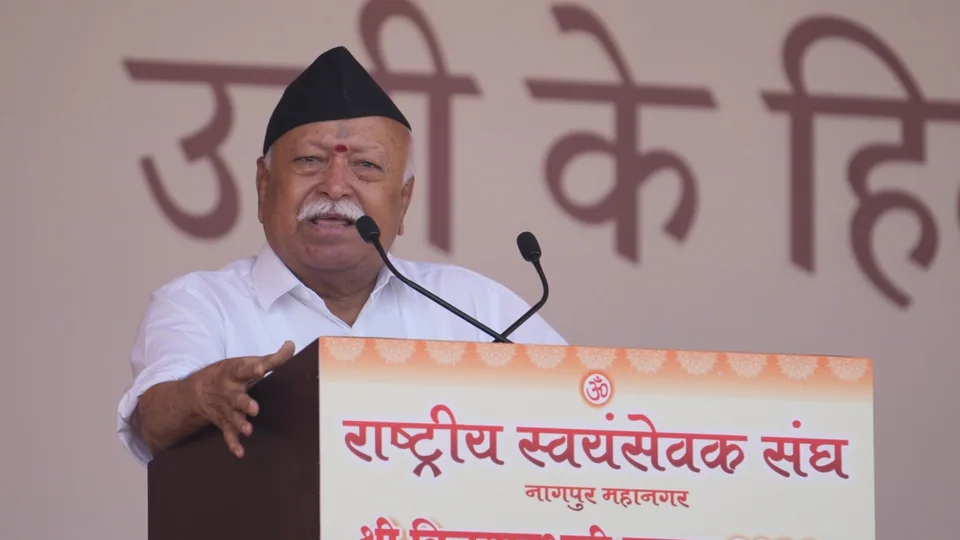
Months after Rashtriya Swayamsevak Sangh (RSS) chief Mohan Bhagwat addressed a packed audience at an event themed “One World One Humanity” in New York, where he advocated unity in diversity and declared that any Hindu who thinks there should be no Muslims in Bharat may not be a Hindu, he reiterated that “if you want to call yourself a Hindu, you must believe that all paths lead to the same God”. The Sangh has now brought a similar message to Kashmir.
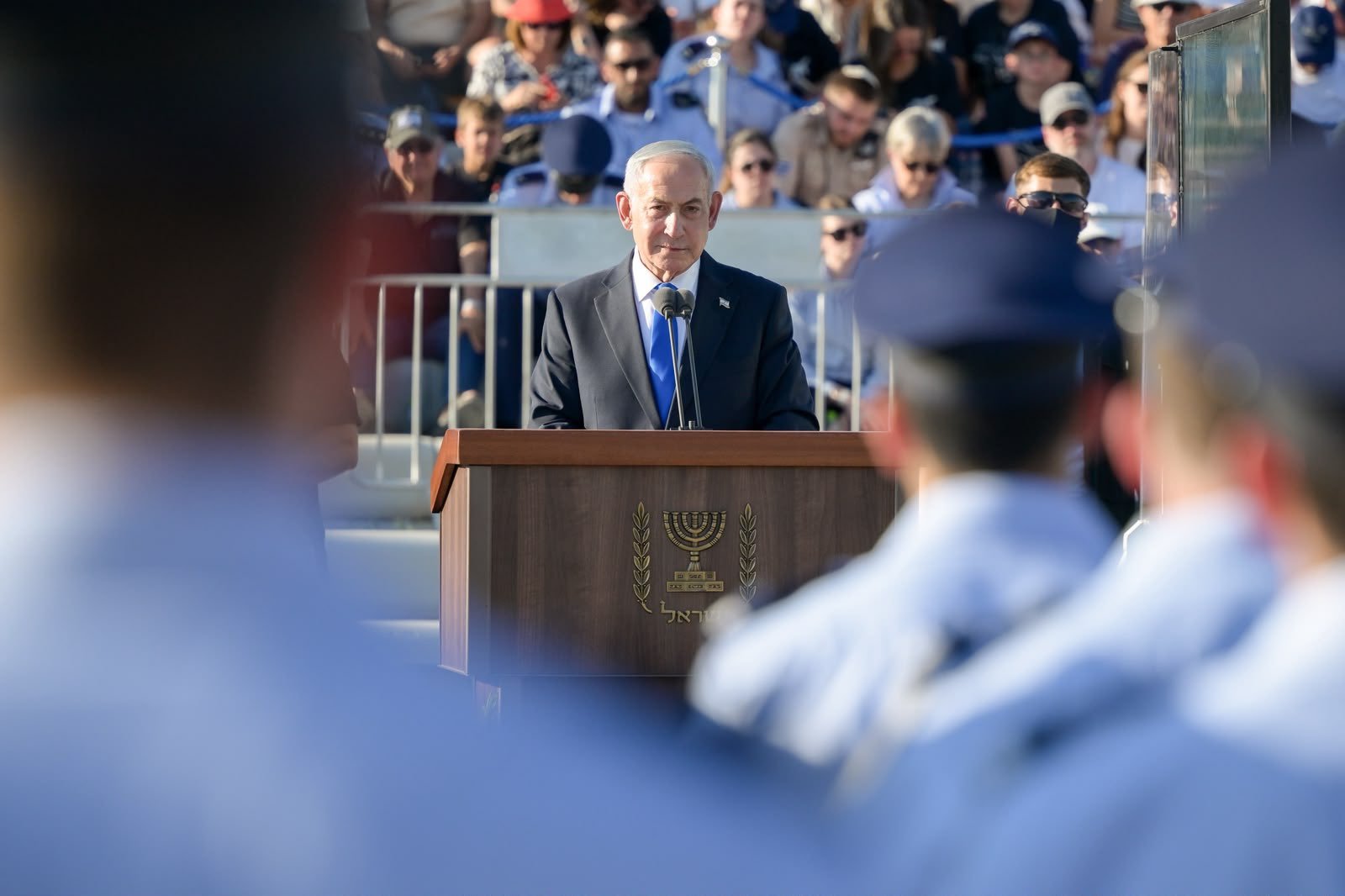
In Srinagar, Jammu and Kashmir’s summer capital, the RSS held a mega conference on October 21 under the Kashmiri phrase Asluk Aalav (a good call). The optics were carefully curated. The event was attended by Akhil Bharatiya Sampark Pramukh Ram Lal as the chief guest, alongside Chairperson of the Jammu and Kashmir Waqf Board Syed Darakhshan Andrabi and Bharatiya Janata Party General Secretary (Organisation) Ashok Kou. Also present were Islamic scholar Maulana Owais Raza Qadri, JKDF Chairman Bilal Parray, and Al Rahim Trust Chairman Nazir Ahmad Gilkar.
The event’s theme, “shared heritage and culture of Sanatanis and Sufi Islam”, was highlighted by RSS leader Ram Lal, who also stressed the importance of social harmony and sustained interaction among different sections of society.
This is the same idea often invoked by Prime Minister Narendra Modi in his speeches at various national forums, where he asserts that Sufi Islam is tolerant and that Sufism and Sanatana Dharma spring from the same spiritual soil of India. On March 11, 2025, while inaugurating the “Jahan-e-Khusrau” music festival in New Delhi, Modi praised famous Sufi mystics, including Baba Farid, Amir Khusrau, Bulleh Shah, and the Turkish Sufi Rumi. He stated that their contributions had “collectively embodied the essence of India’s rich cultural legacy”.
For one, Sufi Islam is not distinct from Islam, and all the Sufi masters mentioned above framed their teachings while keeping them anchored in the basic tenets of Islam. This strategy of pitting so-called “Sufi Islam” against traditional Islam is not benign and should be viewed with caution. The idea of articulating cohesion and inclusion is admirable, particularly when promoted on the land of Lal Ded, the 14th-century Kashmiri Shaivite poet, and Sheikh-ul-Alam, a revered 14th-century Kashmiri Sufi saint. It sounds even more beautiful in this context.

However, people believe that this beautiful idea must face a reality check on the ground. Otherwise, the messages of peace and harmony echoing from the Srinagar stage would sound like scripted readings, while the lofty language of “brotherhood” at carefully orchestrated conferences would appear unrelated to, and disconnected from, the actual life stories and daily suffering of Indian Muslims because of their religious identity.
Brotherhood espoused abroad and harmony preached in Kashmir, but complete silence on targeted attacks against Muslims across India, especially in BJP-ruled states: is it selective amnesia or carefully cultivated guile? In 2025, the India Hate Lab released a report on anti-Muslim hate speech in 2024, revealing that 1,318 hate speech events were held across India, averaging more than three a day. Of these, 88% of the events involving anti-Muslim hate campaigns were held in BJP-ruled states.
Do RSS leaders responsible for organising social harmony events not see the BJP leaders’ discriminatory policies? Are they oblivious to hate-filled speeches at election rallies and other developments that threaten social harmony? It is pertinent to mention that the Sangh organisation has long-standing ties with the party. Should its leaders, therefore, not direct these words towards their own political wing? However, that would be possible only if these pracharaks genuinely considered such abhorrent and venomous thinking inimical to social cohesion. This divisive strategy is what brings electoral dividends and advances their agenda. Therefore, it would be naive to expect them to strike at the very source of the poison that sustains their political prosperity.
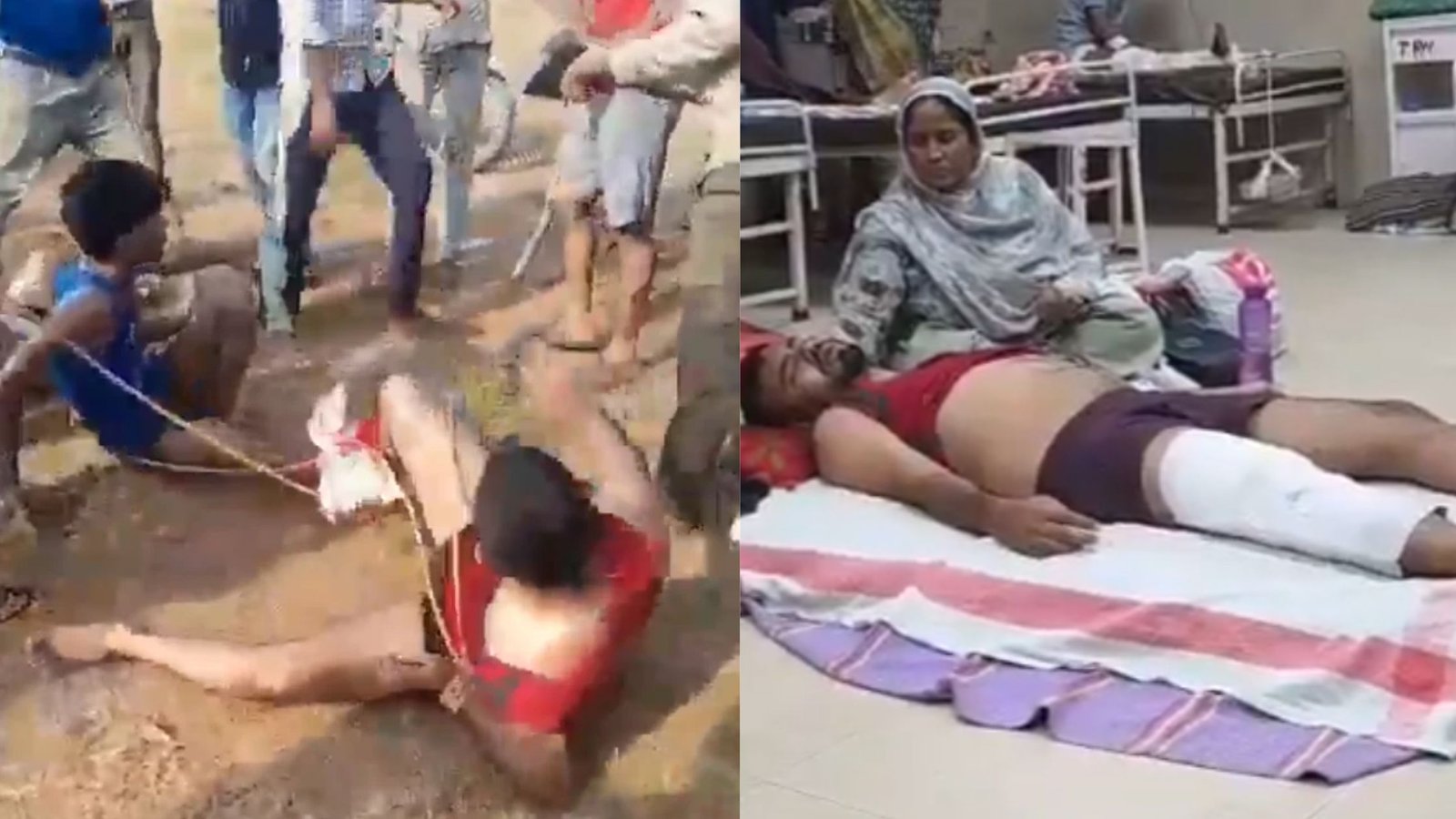
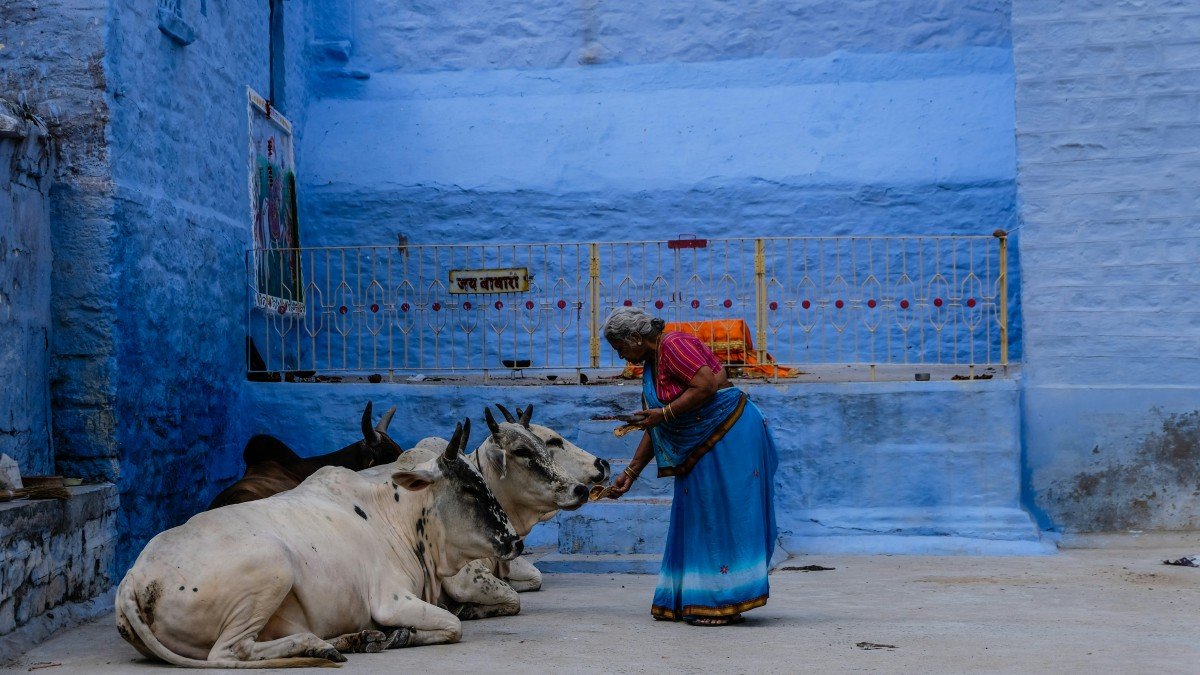
The question concerns not only the RSS’s political wing but also other organisations associated with the broader Sangh Parivar, such as cow vigilante groups, the Vishwa Hindu Parishad (VHP), and the Bajrang Dal. These groups have formed radical mobs that patrol roads and highways. Many members are reportedly involved in attacks on Muslims suspected of eating beef or trading cattle, with some attacks resulting in deaths.
In 2024, the Centre for the Study of Organised Hate (CSOH) documented that 30% of cow-vigilante social media accounts shared videos depicting them openly engaging in physical violence against people transporting cattle. Even truck drivers are stopped, beaten and, in some cases, lynched.
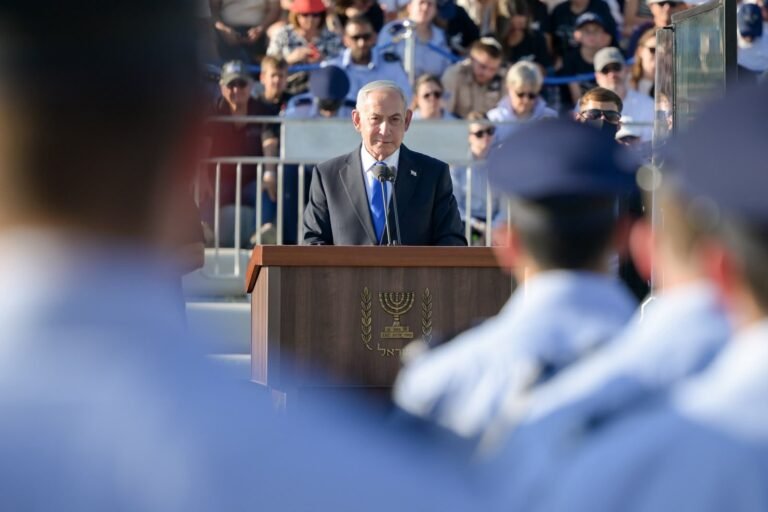
The people of India are not ignorant of other aspects of this issue either. As many Indians know and have long heard from their elders, the country has historically shared a culture across religious communities. What the RSS claims on stages is nothing new. In the past, at fairs held at the shrines of Sufi saints, known as dargahs, many Hindu vendors would set up stalls. Similarly, at Hindu festivals and fairs held at sacred sites, Muslim vendors would set up stalls to sell their goods.
Where, then, has this tolerance and cultural ethos gone? Today, whenever a Hindu fair takes place, some Hindutva groups put up banners calling for a boycott of Muslim vendors, openly pressuring attendees not to buy anything from Muslim shops.
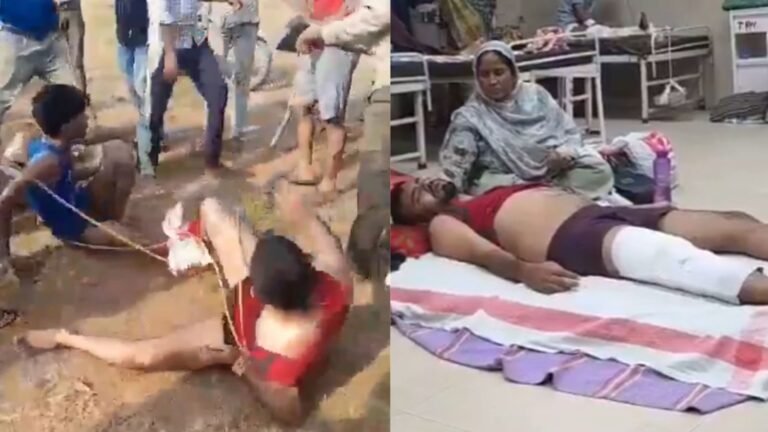
Members of radical vigilante groups conduct raids while carrying weapons and batons. If they find a small-scale Muslim vendor at a fair, they may assault and humiliate the person in public. Ironically, while the RSS and PM Modi invoke Sufism as an example of tolerance, Hindutva groups frequently attack Sufi shrines. They enter these sacred sites and destroy objects, including relics and tombs. The Haji Malang Dargah, a 12th-century shrine, has also become a target. A few months ago, a hammer-wielding Hindutva group vandalised the mazar of the famous 18th-century Sufi poet Baba Bulleh Shah in Dehradun’s Mussoorie.
Can RSS leader Ram Lal or its chief, Mohan Bhagwat, condemn these targeted attacks at every public event with the same vehemence? Can they admonish their own cadre and affiliated groups, telling them that beating Muslims and forcing them to prove their patriotism by chanting Hindu religious slogans goes against the idea of Vasudhaiva Kutumbakam (the world is one family)?
Or will their slogans of brotherhood and harmony remain confined to carefully chosen stages, such as those in New York for foreign audiences and in Srinagar for Kashmiri Muslims, where these words are deployed tactically when politically useful, while they remain silent where it matters most? When hardline groups from one community harass, humiliate or repeatedly target another community on the basis of religion or caste without facing legal consequences, the situation cannot be described as “shared heritage”. It reflects a fractured and weakened system of justice.
Conferences and events do not build trust. Nor can they win hearts or heal wounds. Trust grows when a minority community is respected and treated as fellow citizens, when its members can feel safe in their own country, are recognised as equal before the law, and are allowed to earn a livelihood without being attacked because of their religion. A sense of security also develops when a person’s patriotism is not constantly subjected to hawkish scrutiny.
Until then, the Asluk Aalav event will be seen as another publicity stunt. For many Kashmiris, it may be a good headline for a press release, but not evidence of a change of heart.
The information presented in this article represents the personal viewpoints of the author and does not necessarily reflect the opinions of The Observer Post.