The Supreme Court of India on Monday declined to entertain petitions seeking action against Himanta Biswa Sarma over his alleged hate speech targeting “Miya Muslims” and a controversial firearm video, directing the petitioners to approach the jurisdictional High Court instead.
A bench headed by Chief Justice of India Surya Kant, along with Justices Joymalya Bagchi and Vipul Pancholi, said the plea should first be filed before the Gauhati High Court under Article 226 of the Constitution.
“What stops you from going to the High Court. Unless you say the High Court has also become a political battleground,” the Chief Justice observed, questioning the decision to invoke Article 32 directly before the apex court.
When senior advocate Abhishek Manu Singhvi, appearing for some of the petitioners, argued that the case involved serious constitutional questions and sought a Special Investigation Team probe against the Chief Minister, the bench responded that High Courts were fully empowered to pass such directions.
“So you are saying the High Court cannot set up an SIT,” the Chief Justice asked.
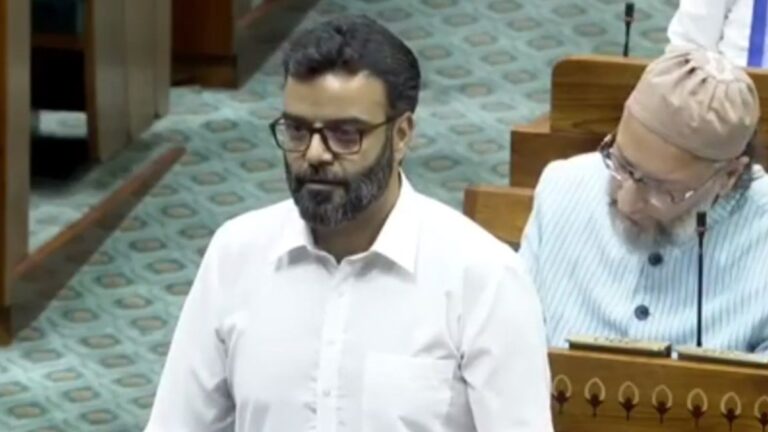
The court remarked that it had increasingly become a “political battleground” whenever elections approached in different states, calling it an unfortunate trend. “We request all parties that self restraint must be there. We expect all to act as per constitutional morality,” the Chief Justice said.
The petitions were filed by the Communist Party of India Marxist, Annie Raja of the Communist Party of India, and four Assamese individuals.
Sarma has in recent weeks made remarks referring to “Miya Muslims,” a term often used for Bengali origin Muslims in Assam. Critics have alleged that his statements amount to hate speech and could incite discrimination and violence, while Sarma has claimed he is addressing illegal immigration.
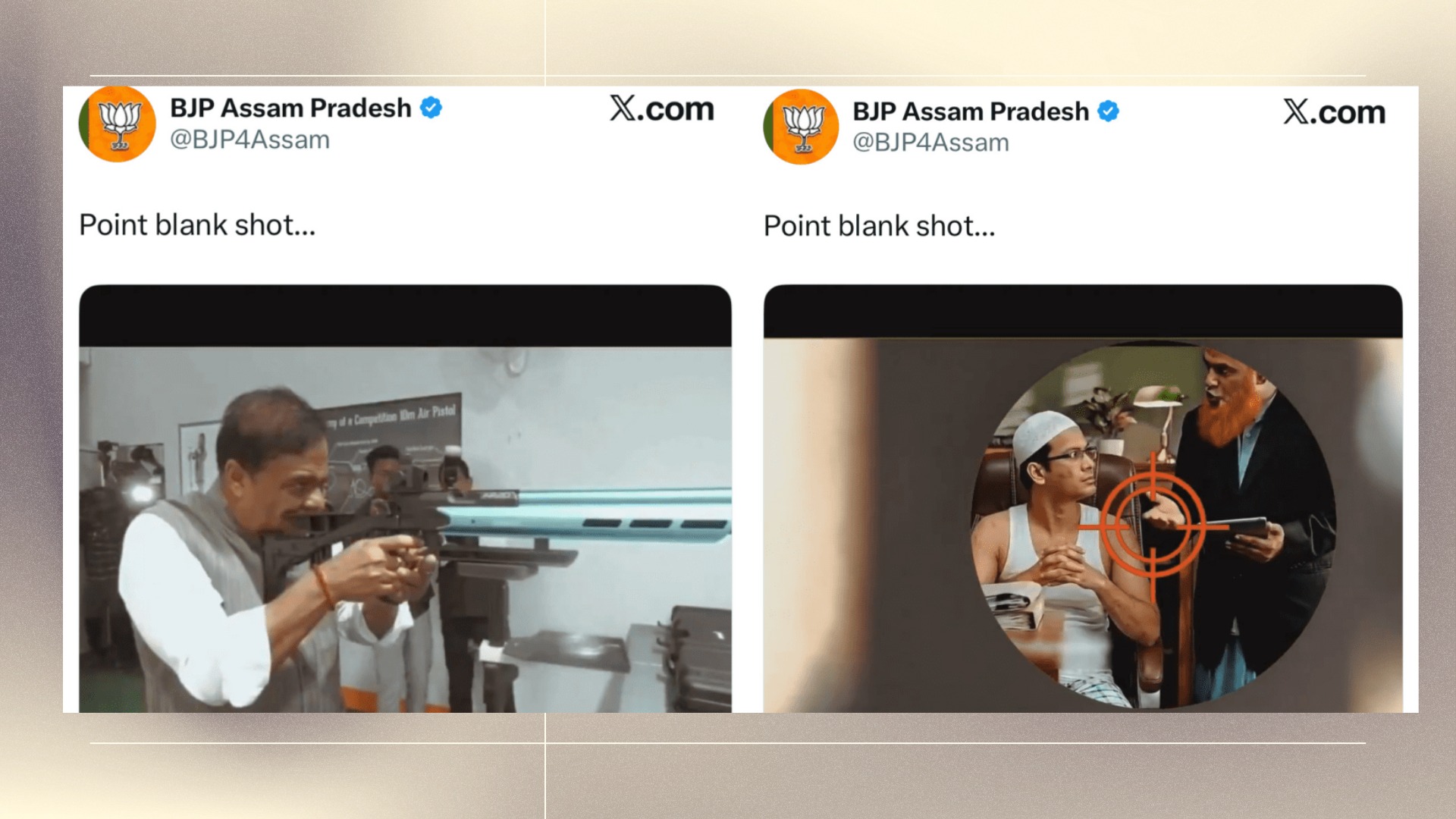
The controversy intensified after a video was circulated by the Bharatiya Janata Party’s Assam unit, which allegedly depicted Sarma handling a firearm with Muslims visible on the other side. The video was later deleted.
According to the petitioners, Sarma’s speeches from 2021 to February 2026 allegedly called for social, economic and civic exclusion of Bengali origin Muslims, including exhortations to deny them livelihoods, transport, land and voting rights. They claimed these remarks had real world consequences, including alleged economic discrimination and harassment.

During the hearing, Singhvi contended that the Chief Minister was “demoralising the constitutional ethos of the country” and that no FIR had been registered so far. He argued that given the gravity of the allegations and the office held by Sarma, the Supreme Court should intervene directly.
The bench, however, refused to invoke Article 32. “All these issues can be effectively adjudicated by the jurisdictional High Court. We see no reason to entertain this here,” it said, while requesting the High Court Chief Justice to ensure expeditious hearing.
When Singhvi suggested allowing the petitioners to approach a High Court outside Assam, the Chief Justice rejected the submission, calling it an attempt to undermine constitutional courts. “Do not undermine the authority of the High Courts. Every matter lands up here. Entire effort is to demoralise the High Court,” he observed.
Senior advocate Chander Uday Singh, appearing for four Assamese petitioners, submitted that they had written to the Gauhati High Court Chief Justice seeking suo motu action. The bench responded that writing a letter and filing a formal petition were different.
The Supreme Court reiterated that if litigants are aggrieved by a High Court’s decision or inaction, they are free to approach the apex court thereafter, but the constitutional route must ordinarily begin with the High Court.
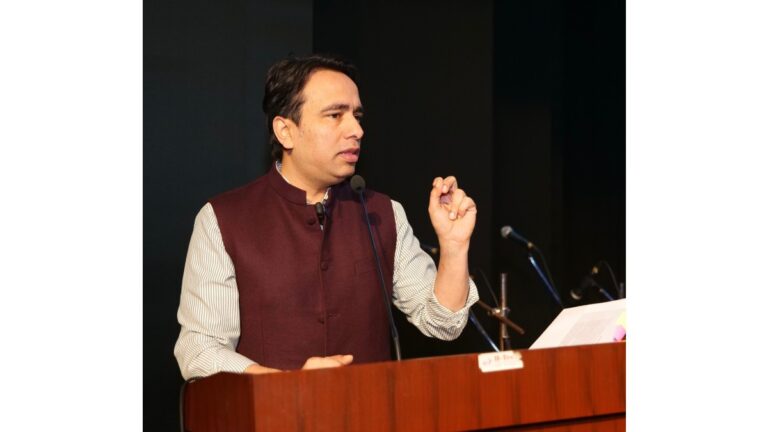
The bench expressed confidence that the High Courts would act in accordance with principles laid down in earlier judgments, including directions issued in 2023 requiring governments to register suo motu FIRs in cases of alleged hate speech.