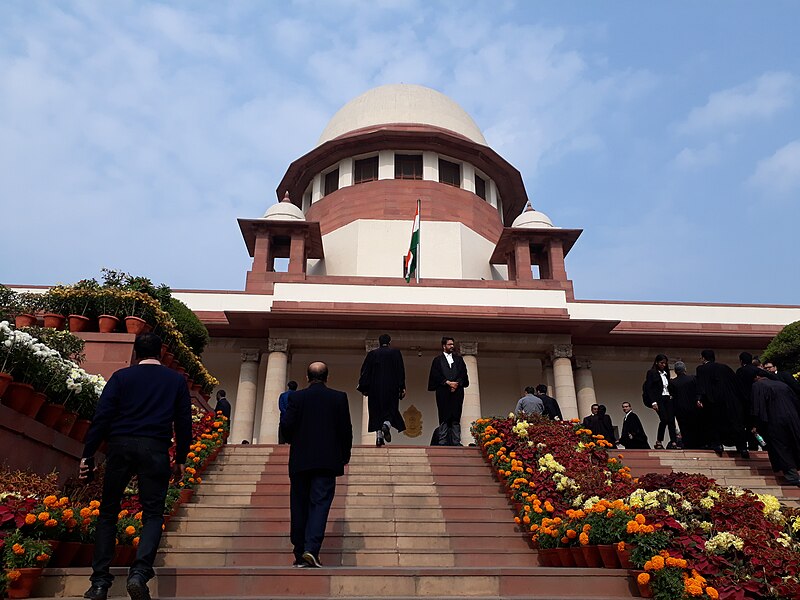
The Supreme Court has refused to order periodic rotation of constituencies reserved for Scheduled Castes and Scheduled Tribes, saying the matter belongs to Parliament. The ruling leaves unchanged a system in which some seats stay reserved for decades, a point of concern for Muslim aspirants who cannot contest them.
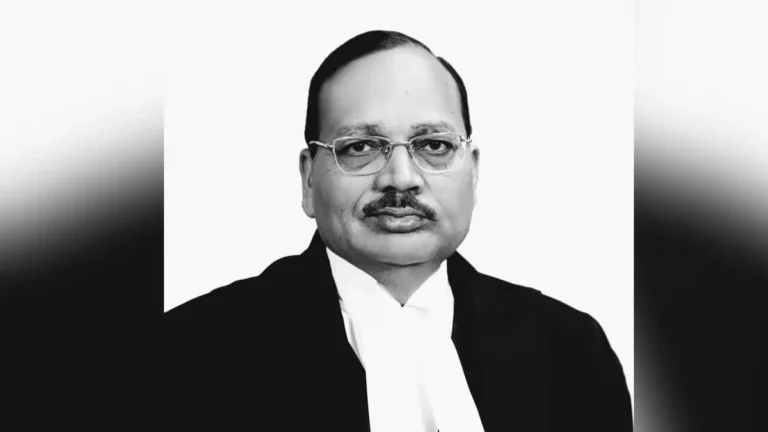
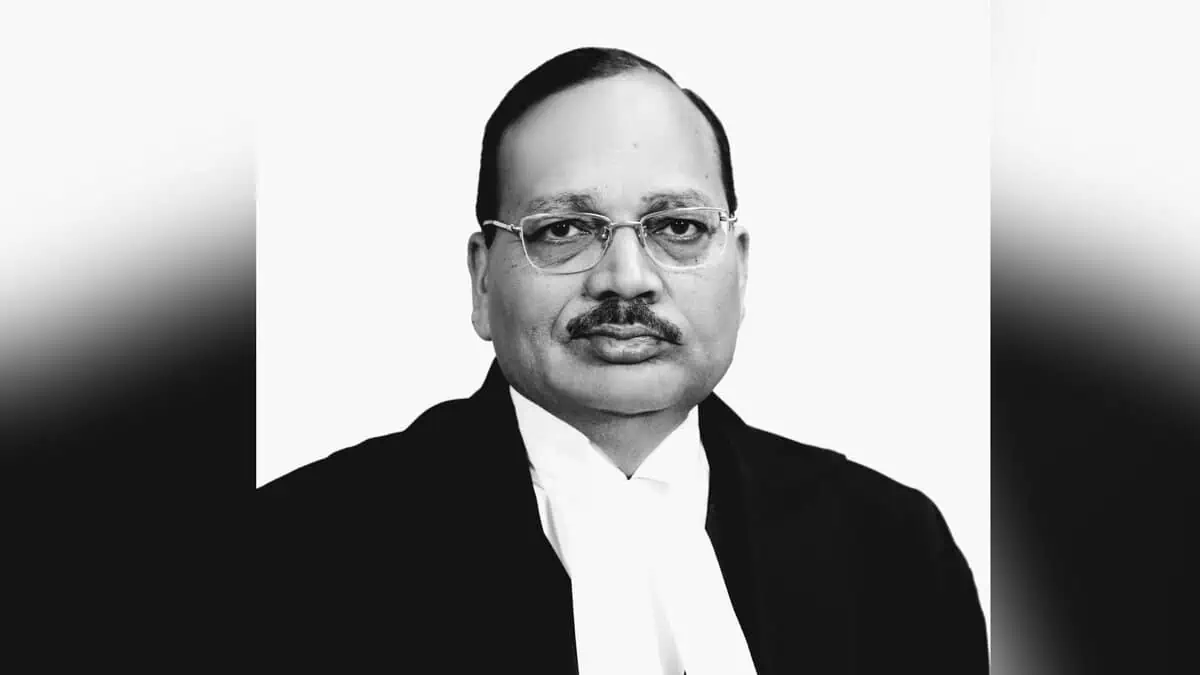
A bench of Chief Justice Surya Kant and Justices Joymalya Bagchi and V Mohana dismissed the petition on Wednesday, November 4. It was filed by Jagdish Singh, a voter in the Kadipur Assembly constituency in Uttar Pradesh’s Sultanpur district, which has been reserved for Scheduled Caste candidates for nearly seven decades.
He argued that, unlike panchayat and municipal elections, where the Constitution provides for rotating reserved seats, Assembly and Lok Sabha seats stay reserved for generations. This, he said, limits the choices voters have.
The court was not convinced. The bench remarked that the argument on rotation was “not very persuasive” and asked how it could direct the Delimitation Commission to change reserved constituencies from time to time when no law provides for rotation.
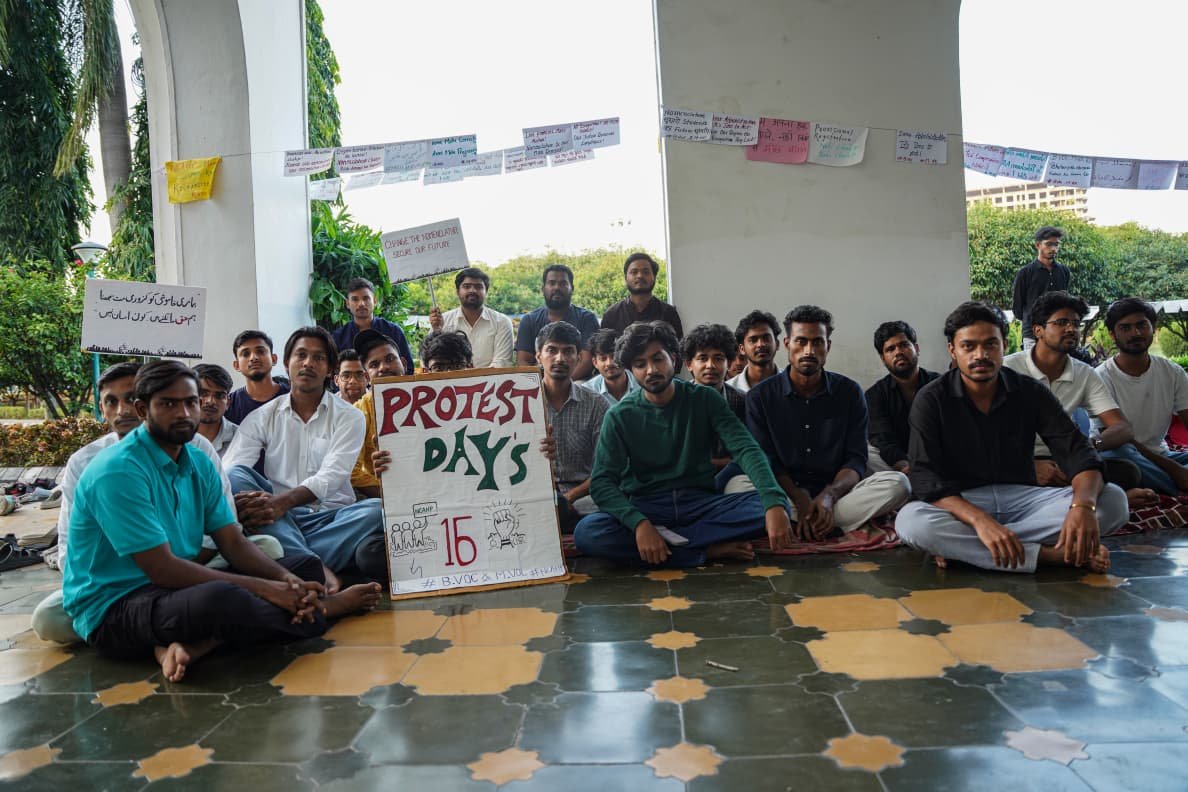
Justice Bagchi said the court cannot “rewrite the Constitution or the statute”, according to Indian Opinion, which cited Verdictum.in. The judges observed that the issue could be a legitimate ground for protest, but said the petitioner should raise it with elected representatives and Parliament and build a consensus for a change in the law.
The petition also challenged Section 9(1)(c) of the Delimitation Act, 2002, which allows constituencies to be reserved in areas where Scheduled Caste or Scheduled Tribe residents form a comparatively higher share of the population. The Allahabad High Court had upheld the provision, holding that Articles 330 and 332 of the Constitution fix the share of seats for these groups but do not require rotation, and the Supreme Court has now accepted that view.
Muslim candidates were not a party to the case, and the reports of the hearing do not show the issue being raised. It nonetheless affects them directly. Under the Constitution (Scheduled Castes) Order, 1950, Scheduled Caste status is limited to people of certain religions, which in practice means a Muslim cannot stand from a Scheduled Caste seat.
A constituency that stays reserved for decades therefore remains closed to Muslim candidates, even where Muslim voters make up a large share of the electorate. Eligibility for Scheduled Tribe seats depends on a different set of rules. Bhaskar reported that the ruling will affect Muslim candidates’ chances of contesting from such seats, and a long-running demand for rotation has come partly from Muslim groups.
However, the ruling does not end reservation. It only means that, without a change in the law by Parliament, there is no requirement to rotate the seats, and the courts will not impose one.