
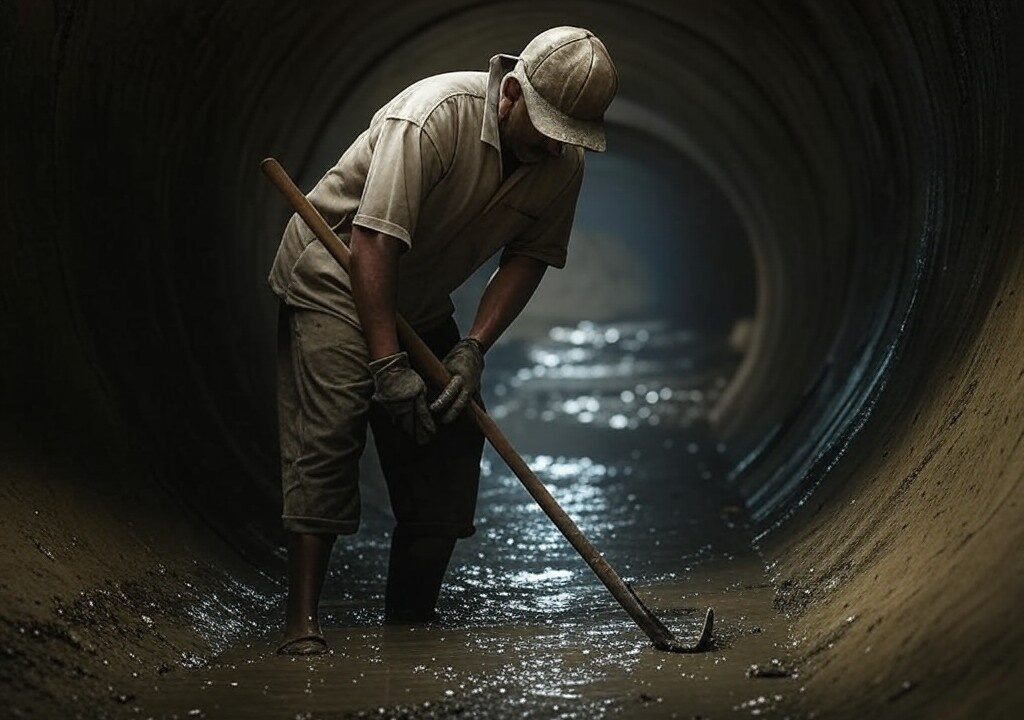
On January 29, the Supreme Court issued an order banning manual scavenging and manual sewer cleaning in six major metropolitan cities of India: Delhi, Mumbai, Chennai, Kolkata, Bengaluru, and Hyderabad. The court’s decision came in response to a Public Interest Litigation (PIL) filed by Dr. Balram Singh, highlighting the continued violation of laws meant to eradicate manual scavenging.
In its ruling, the Court noted that there was “no clarity” from the Union Government on the implementation of laws meant to end manual scavenging and sewer cleaning. It directed that these practices must be stopped in the specified cities, saying, “Manual sewer cleaning and manual scavenging shall be stopped in all top metropolitan cities.”
The Court also asked the Chief Executive Officers (CEOs) of these cities to file an affidavit by February 13, detailing how and when manual scavenging and sewer cleaning will be eradicated.
The Court’s frustration was clear when it expressed, “We are fed up of orders that remain academic,” adding that it was time for action. The judges stated, “Either do it, or face consequences.” This follows previous efforts to address the issue, including a December 2023 meeting directed by the Court to evaluate the progress of the Union Government’s compliance with orders from October 2023.
In a fresh affidavit, the Union Government claimed that out of 775 districts across the country, 456 no longer have manual scavenging. However, when the Court asked about Delhi’s performance, it was revealed that the city had not complied with the order. Senior Advocate K. Parameswar, representing the petitioners, criticized this data, calling it “erroneous,” as some districts had not even set up the necessary committees required to monitor the issue.
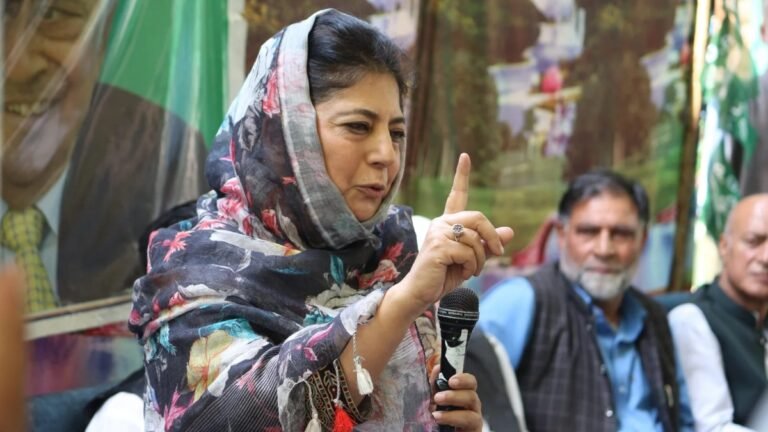
Justice Sudhanshu Dhulia remarked, “If they are filing false affidavits, they are in contempt straight away.”
Despite previous directives, no clear guidelines have been established for the eradication of manual sewer cleaning. Senior Advocate Jayna Kothari pointed out that the Union’s affidavit acknowledges cases where workers must enter sewers that are too small, leading to unsafe conditions. She stated, “They have stated ‘motivated sewer entry professionals’. Is this what we call humans who are being killed?”
In response, Additional Solicitor General Aishwarya Bhati argued that not all states were ready to completely eradicate manual scavenging, explaining that the Court’s order was meant to be phased. However, Justice Aravind Kumar emphasized that workers must have proper equipment when cleaning sewers, and this should not be an excuse in metropolitan cities.
The Supreme Court’s order pushes the Union Government and local authorities to take swift action to ensure the complete eradication of manual scavenging and sewer cleaning in the six cities. As the Court stated, it is no longer willing to let these issues remain unresolved, and it is clear that non-compliance will lead to severe consequences.





Comments are closed.