




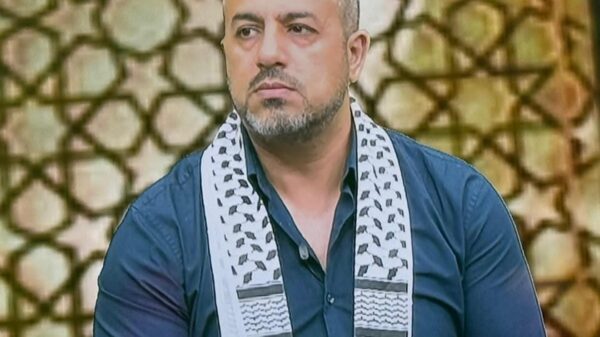












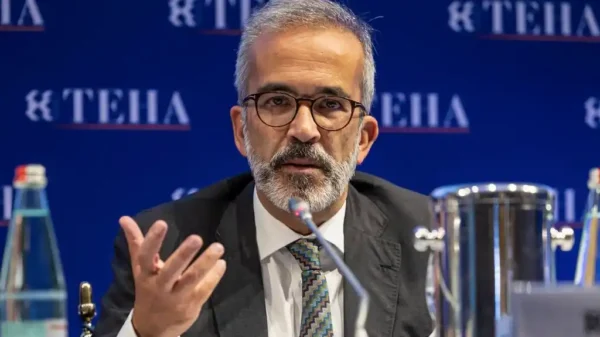







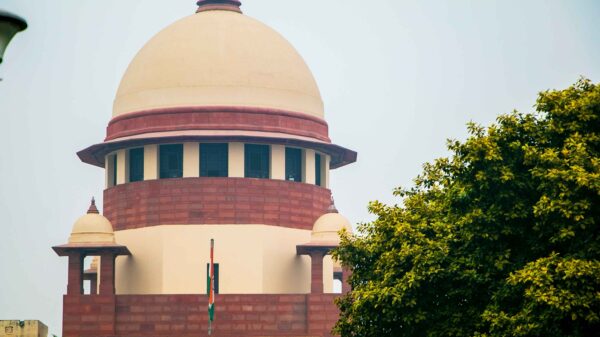




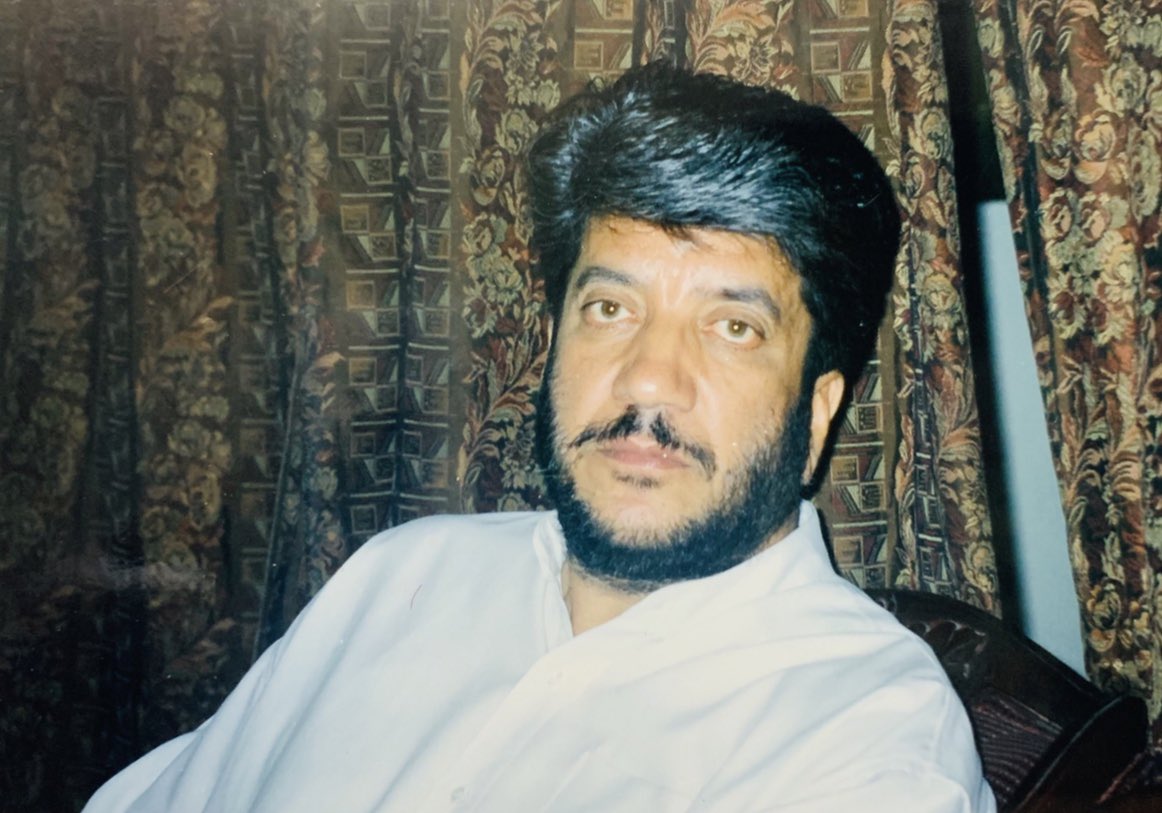
The Supreme Court on Thursday granted bail to Shabir Ahmad Shah, the head of the Jammu Kashmir Democratic Freedom Party, in a terror funding case registered by the National Investigation Agency under the Unlawful Activities Prevention Act. A bench of Justices Vikram Nath and Sandeep Mehta passed the order after noting that the delay in the trial could not be explained and that Shah had spent a prolonged period in custody.
Shah was represented by senior advocate Colin Gonsalves, while senior advocate Siddharth Luthra appeared on behalf of the NIA.
Who Is Shabir Ahmad Shah and What Are the Charges?
Shah was arrested by the NIA in June 2019 and was named as an accused in the second supplementary chargesheet filed in October 2019. The NIA alleged that he played a key role in building a separatist movement in Jammu and Kashmir, paid tribute to the families of slain militants, received money through hawala transactions and raised funds through Line of Control trade to fuel what the agency described as subversive and militant activities.
Shah is also accused of mobilising violent protests, including incidents of stone-pelting in the Kashmir valley. The NIA has maintained that Shah, along with other accused including Yasin Malik and Abdul Rashid Sheikh, were allegedly members of terrorist organisations and unlawful associations engaged in secessionist activities aimed at destabilising the region and furthering the objective of separating Jammu and Kashmir from India.
Why the Supreme Court Granted Bail
Shah’s appeal to the Supreme Court argued that he was not named in the main chargesheet or the first supplementary chargesheet, and that there was an absence of material directly linking him to the alleged conspiracy at its origins. His plea also highlighted the impossibility of a speedy trial, given that the prosecution has listed around 400 witnesses to be examined, making an early conclusion of the trial effectively unlikely.
The Supreme Court accepted these arguments, citing the unexplained and unreasonable delay in the trial proceedings and the prejudice caused to Shah by his prolonged incarceration as grounds for granting bail.
Earlier Courts Had Rejected Bail
Both the special NIA court and the Delhi High Court had previously rejected Shah’s bail applications. A Delhi High Court bench of Justices Navin Chawla and Shalinder Kaur had held that the accusations against him appeared prima facie to be true and that he had not discharged the burden required for bail under the UAPA. The High Court had also observed that the right to freedom of speech cannot be used to deliver inflammatory speeches detrimental to the interests and integrity of the country. Shah had challenged that order before the Supreme Court, which has now overturned it.
Daughter Calls It First Step Toward Justice
Shah’s daughter Sehar Shabir Shah expressed relief and gratitude at the development on social media. “After 39 years of imprisonment without conviction, today justice has taken its first step. We always had faith in the judiciary, and today that faith stands affirmed,” she said, adding a verse from the Quran expressing gratitude.