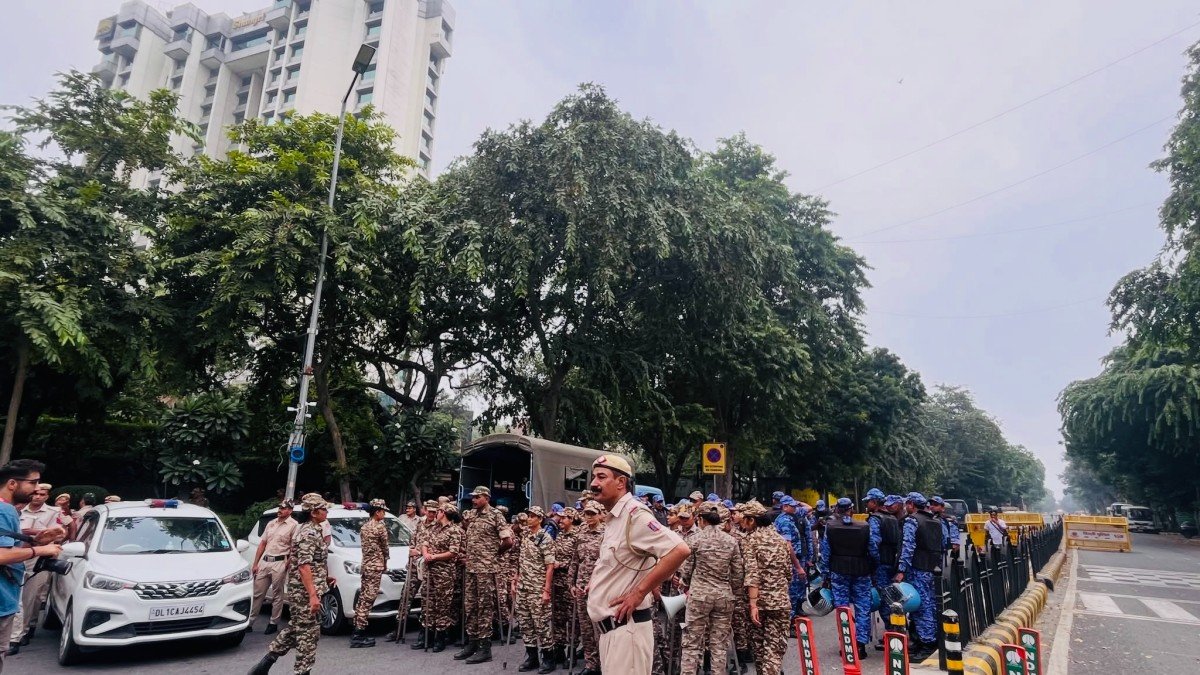
The Supreme Court on Sunday directed authorities to remove barricades in Delhi unless they were “absolutely warranted” and withdraw restrictions imposed under Section 163 of the Bharatiya Nagarik Suraksha Sanhita (BNSS), 2023, around the court premises, amid a security crackdown ahead of protests called by the Cockroach Janta Party (CJP).
A special bench of Justices Joymalya Bagchi and V Mohana said access to the Supreme Court and other courts must remain unhindered, stressing that restrictions should not create apprehensions about access to justice.
“We have been informed that a notice under Section 163 has been imposed in and around the Supreme Court. We direct the authorities to take down the restriction so that there is no apprehension of access to justice with regard to ingress and egress to the Supreme Court or any other court,” the bench said.
The court also directed authorities to normalise the free movement of people and traffic, subject to necessary regulations in the interest of public order.
The hearing came amid widespread restrictions, barricading and mass detentions across the national capital during protests demanding the resignation of Chief Election Commissioner Gyanesh Kumar over alleged irregularities in the Special Intensive Revision (SIR) of electoral rolls.

Supreme Court Says Metro and Rail Services Must Function Normally
The Supreme Court reiterated that metro and rail services connecting Delhi should function normally unless restrictions were necessary to address a public order situation.
On Friday, a bench comprising Chief Justice of India Surya Kant and Justices Joymalya Bagchi and V Mohana had directed the Centre to ensure there was no “complete prohibition” on the movement of metro and trains into Delhi on October 10.
However, several metro stations remained shut during Saturday’s protest, prompting lawyer Shailendra Mani Tripathi to raise concerns about possible contempt of the court’s earlier order.
The court said citizens had the right to protest but stressed that demonstrations must comply with the law.
“You have a right to protest, absolutely no quarrel on that, but the process in which you protest has to be within the Police Act,” the bench said.
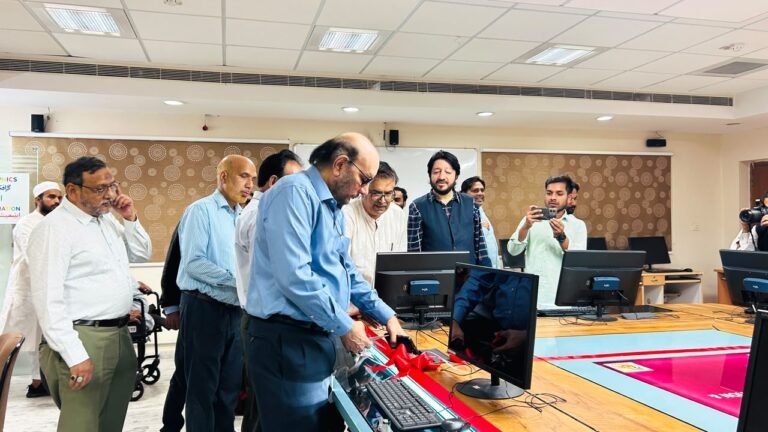
Justice Bagchi told the petitioner that the right to protest could not be treated as being beyond the scope of the Police Act.
The court also issued notices to the authorities, including Delhi Police, the Union Home Secretary and the Delhi Metro Rail Corporation, seeking responses on the detentions and the circumstances surrounding them. It directed the authorities to submit a compliance report by Tuesday.
CJP Leaders Released After Preventive Detention
The court hearing followed the detention of CJP leaders Abhijeet Dipke, Saurav Das and Ashutosh Ranka at Delhi airport on Saturday, ahead of the planned protest at Jantar Mantar.
The three were subsequently placed under preventive arrest and produced before an executive magistrate at Delhi Cantonment on Sunday. They were released after furnishing a surety bond of ₹50,000, subject to a condition to maintain peace and good behaviour for one year, according to Delhi Police.
CJP legal affairs head Ratna Singh said the leaders had been released after nearly 24 hours in detention. The party described their release as a “major legal victory” and alleged that their detention was unlawful.
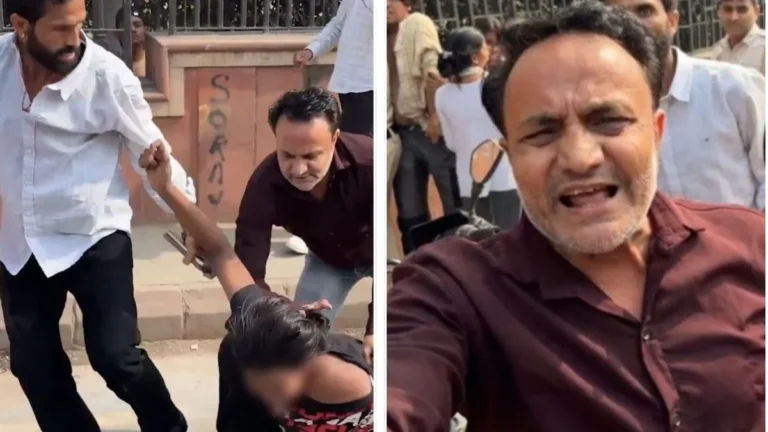
In a post on X, the CJP said, “Finally Delhi police is forced to release Abhijeet Dipke, Ashutosh Ranka and Saurav Das. Cockroaches never die.”
Delhi Police, however, said the preventive arrests had been carried out following due legal procedures and that the three leaders had been produced before the executive magistrate.
According to police sources, provisions of the BNSS relating to security for keeping peace and preventive arrest were invoked against them.
Heavy Security Continues as CJP Plans Fresh Protest
The Supreme Court’s directions came after an extensive security operation across Delhi on Saturday. Reports put the number of people detained at around 7,000, although figures varied across accounts.
Several opposition leaders, including former chief ministers Arvind Kejriwal, Mamata Banerjee, Pinarayi Vijayan and Manik Sarkar, were also detained while attempting to join the protest.
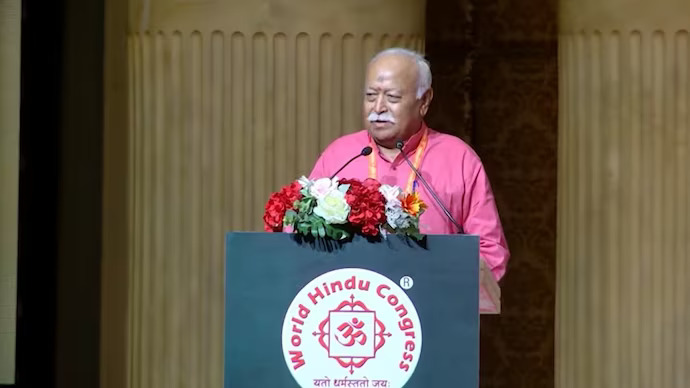
The CJP has renewed its call for demonstrations at Jantar Mantar on Sunday, insisting that the agitation would continue until Gyanesh Kumar resigns. Ajinkya Shinde, who was designated to lead the protest after Dipke’s detention, said the group would not retreat.
“The government thought we would back down after the detention of Abhijeet Dipke, Saurav Das and Ashutosh Ranka. But we won’t. We will continue our agitation till Gyanesh Kumar resigns,” Shinde said.
Authorities have continued security deployments and traffic restrictions across central Delhi, with police personnel and paramilitary forces stationed at key locations and city borders.
The Supreme Court’s directions call for a review of barricades and the restoration of normal movement, while allowing authorities to impose proportionate restrictions where necessary to maintain public order.
The CJP and opposition parties are demanding Kumar’s resignation over alleged irregularities in the SIR exercise. The Election Commission has rejected allegations of wrongdoing.