























Uttar Pradesh has introduced wide-ranging changes to NCERT textbooks for Class IV in over one lakh council-run primary schools, to be implemented from the 2026 27 academic session. The revisions, carried out across mathematics, Hindi, environmental studies and art, aim to align the curriculum more closely with the state’s social, cultural and educational context.
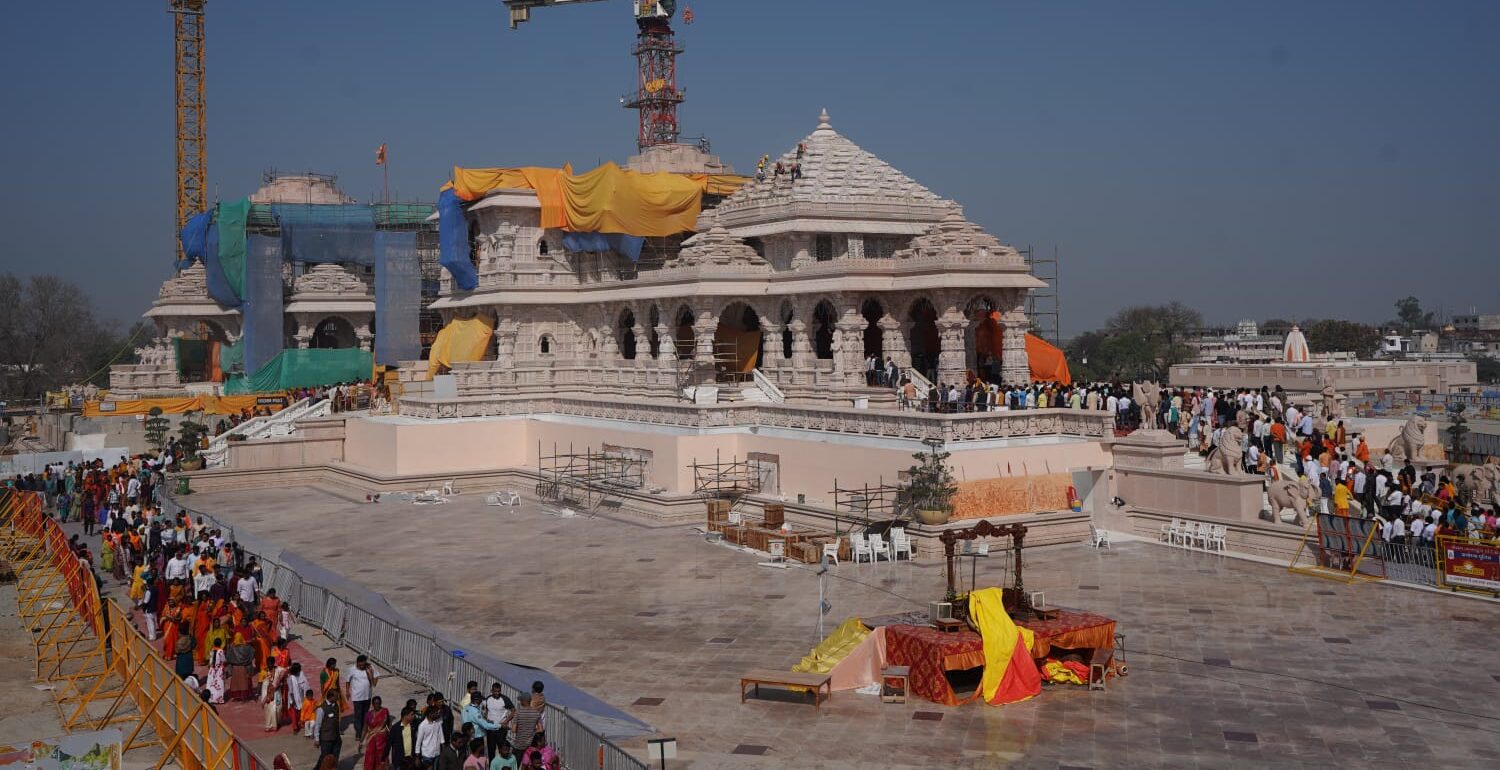
One of the most notable changes has been made in the mathematics textbook Ganit Mela. In Chapter 4 titled Humare Aaspaas Hazaron Ki Sankhya, an earlier illustration of a Jain temple in Karnataka, along with related practice questions, has been replaced by an image of Ayodhya’s Shri Ram Temple and new exercises based on it. Other references associated with southern India have also been modified. Names such as Gudappa and Muniamma have been changed to Ganesh and Meena, while coconut trees have been replaced with aonla trees.
The Class IV Hindi textbook Veena has seen several lesson changes. The chapter Aasman Gira has been replaced with Hausla from the Basic Education Council’s textbook Phulwari. The one-page lesson Golgappa has been substituted with Daisy Ki Diary, and Hawa Aur Dhool has been replaced by Satya Ki Jeet, based on the story of Satyavadi Harishchandra.
The art textbook Bansuri has been enriched with region-specific material. Along with information on South Indian Kolam, it now includes the Uttar Pradesh tradition of Chauk Purana or rangoli making, references to wooden toys from regions such as Chitrakoot, Varanasi, Mirzapur and Saharanpur, and photographs of noted classical musicians Pandit Chhannulal Mishra of the Banaras Gharana and Girija Devi. Musical references have been localised, with Kajri, Barahmasa, Ganga Geet and a Hindi Awadhi Bhojpuri lullaby replacing songs from southern and north eastern India.
The environmental studies textbook Hamara Adbhut Sansar now features additional local content, including Uttar Pradesh’s state flower, traditional foods such as matha aloo, tehri and poori sabzi, millets like kodo and ragi, the role of sunlight in agriculture, festivals such as Prabodhini Ekadashi, and paper manufacturing and research centres in Jalaun and Saharanpur.
Rajendra Pratap, principal of the State Institute of Education, said the testing and customisation of the textbooks were carried out keeping in mind the state’s educational conditions, local needs and environment. He said the exercise is expected to greatly benefit students.