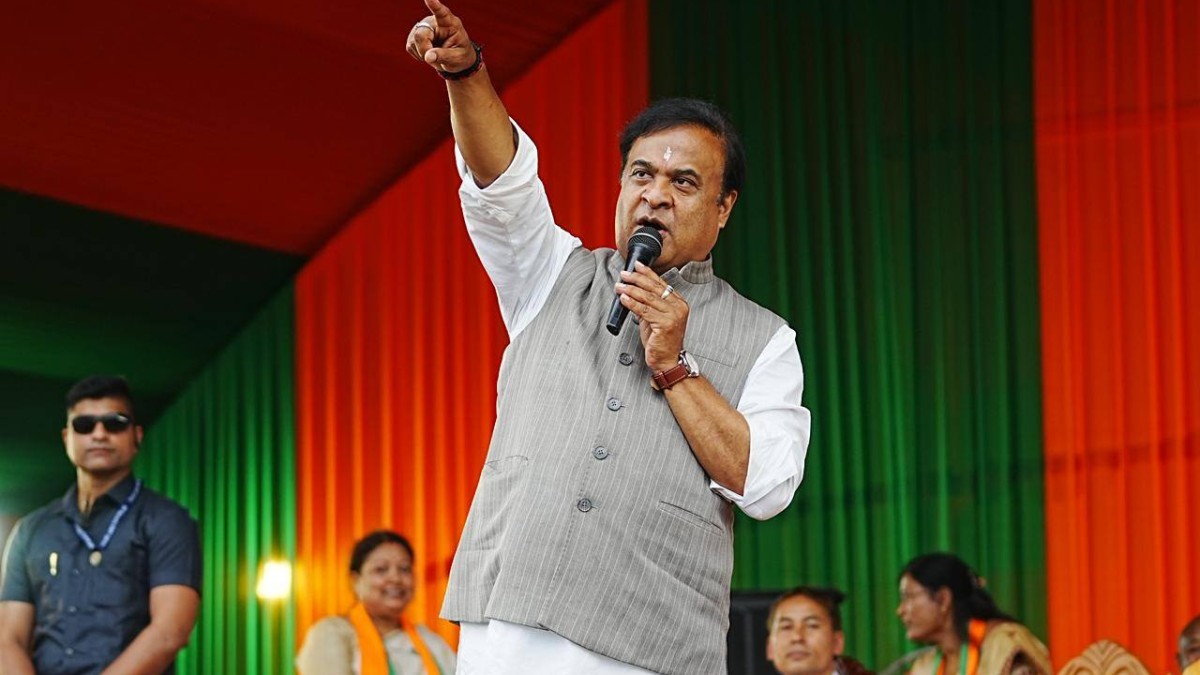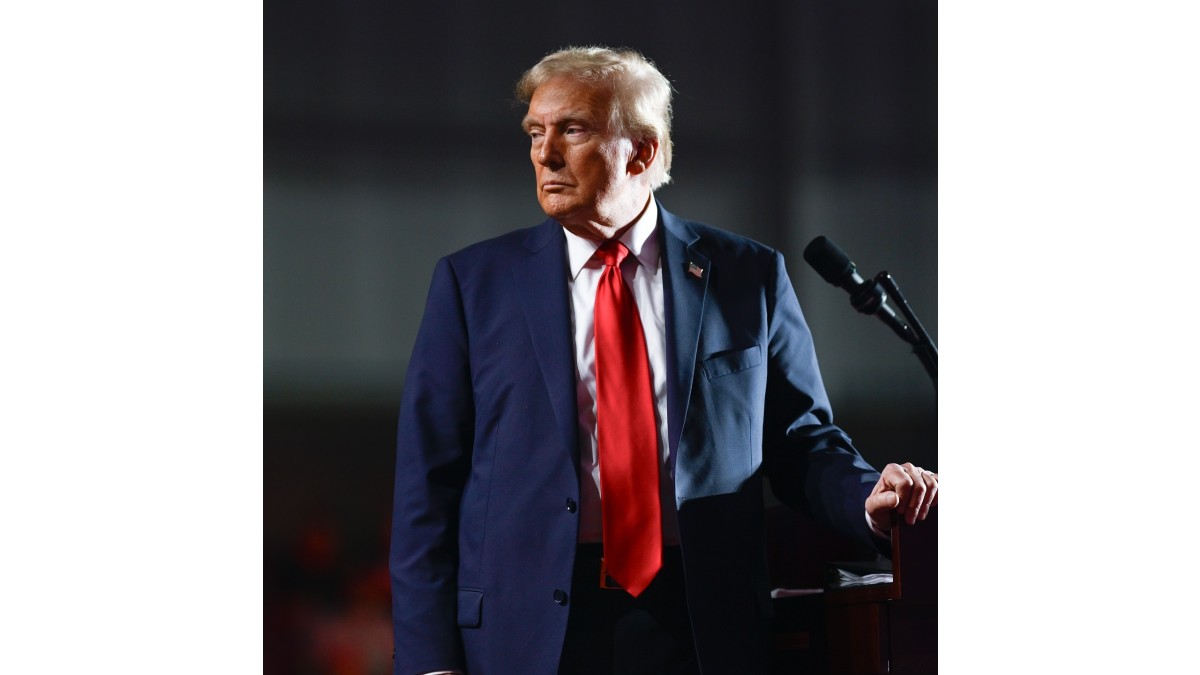
Tensions have emerged between the United States and Israel over the ongoing military campaign in Iran, with both countries taking markedly different approaches to the conflict. While US President Donald Trump indicated that Washington could end its military operations within two to three weeks even without a deal from Tehran, Israeli Prime Minister Benjamin Netanyahu said Israel would continue its campaign, vowing to “crush Iran’s terror regime.”
Trump Signals Swift US Exit
Speaking at the White House, Trump said, “We’ll be leaving very soon, within two weeks, maybe three,” adding that Tehran did not need to reach any diplomatic agreement with the US for the military operations to conclude. He stressed that the responsibility for securing the Strait of Hormuz, a critical oil shipping channel, should fall on countries relying on it rather than the US.
Trump’s statement marks a significant shift from earlier rhetoric when he had threatened escalation and possible deployment of American ground forces to enforce a 15-point ceasefire framework demanding Iran halt uranium enrichment, cease nuclear ambitions, and reopen the Strait of Hormuz. He also criticized NATO and European allies for not supporting US operations, writing on Truth Social, “Go get your own oil.”
Israel Maintains Hardline Approach
Contrary to Trump, Netanyahu reiterated that Israel’s military campaign would continue. “The campaign is not over,” he said, asserting that Israeli operations had “changed the face of the Middle East” and underscoring the country’s emergence as a regional power. Israeli strikes have targeted Iran-backed Hezbollah positions in Lebanon, leaving over 1,200 dead and displacing more than a million residents, according to Lebanese authorities.
Iran Offers Conditional Willingness to End War
Iranian President Masoud Pezeshkian expressed that Tehran has the “necessary will” to end hostilities, provided guarantees are given that the conflict would not reignite. Iranian officials have confirmed ongoing communications with US envoy Steve Witkoff but denied that formal negotiations are underway. Iran’s Revolutionary Guards have threatened retaliatory measures against major US tech firms should further assassinations of Iranian leaders occur.

Recent Military Escalations
Heavy airstrikes have targeted central Iranian cities including Isfahan and Tehran, hitting steel complexes and allegedly damaging a Shia religious centre and a plant producing cancer drugs. Pentagon chief Pete Hegseth warned that the next few days would be decisive, stating, “Iran knows that, and there’s almost nothing they can militarily do about it.”
The war, which began on February 28 with the assassination of Iran’s supreme leader Ayatollah Ali Khamenei, has already triggered widespread retaliatory attacks across the region, significantly impacting global oil markets and regional stability.
Economic and Humanitarian Fallout
Global markets responded to the possibility of a US exit with Brent crude falling 3.2 percent to $103.97 per barrel and major Asian indices such as Japan’s Nikkei and South Korea’s Kospi seeing significant gains. Meanwhile, civilians in Iran, like 27-year-old dental assistant Fatemeh, report the psychological toll of living under continuous conflict, struggling to maintain normalcy amid airstrikes and escalating violence.
The diverging stances of the US and Israel suggest that while Washington may seek a rapid exit, Israel intends to continue its military objectives, raising questions about coordination among allies and the prospects for a negotiated end to the conflict.