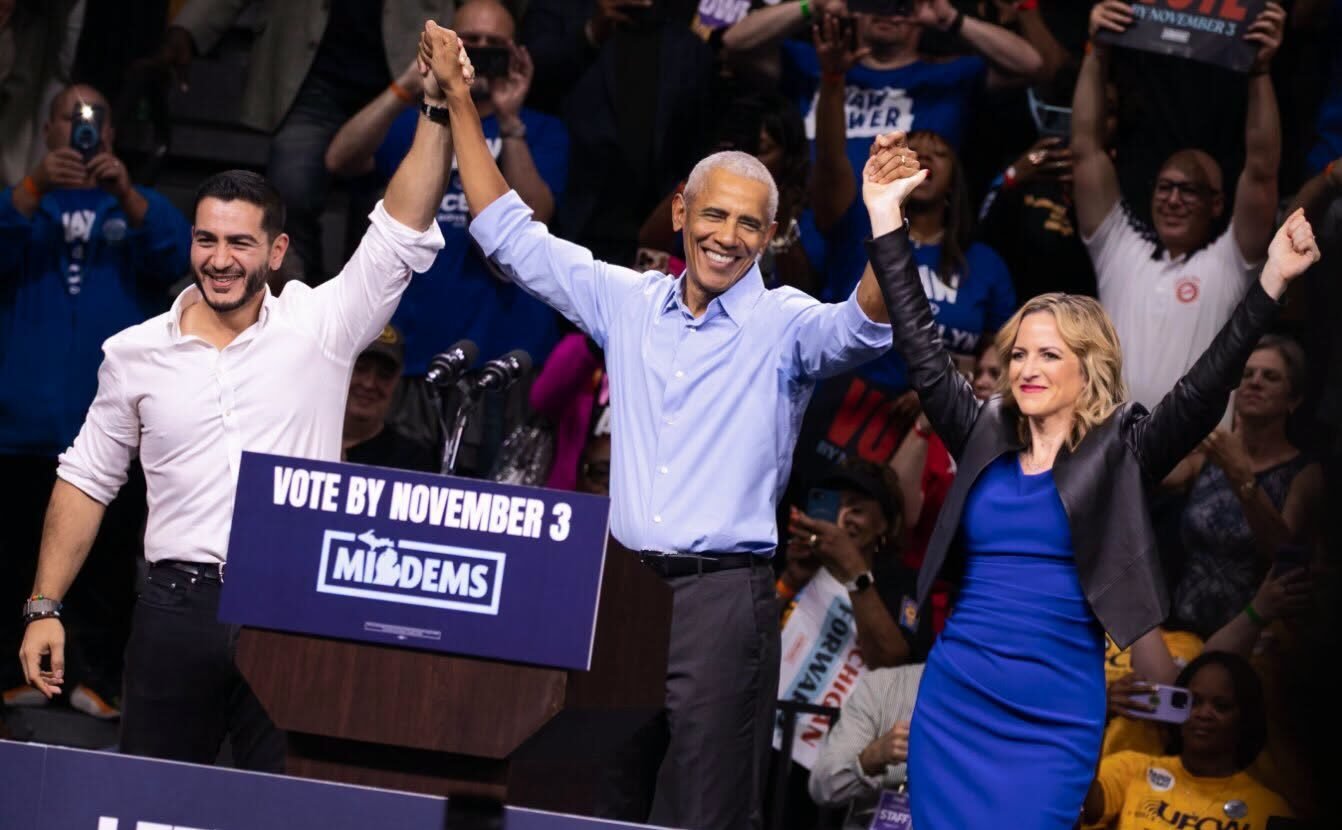
Abdul El-Sayed, who is described in the supplied report as the first Muslim elected to the US Senate, has called on Washington to review its financial and military assistance to countries including Pakistan, Egypt, Jordan and Israel, arguing that American taxpayer money should not support violations of international law.
In an interview with ABC, El-Sayed said US foreign aid policies should be applied consistently and should not focus on Israel alone.
“When we are giving money to a country that is using our money to violate international law, that seems to me a good place to start,” he said.
El-Sayed’s remarks come amid debate over US military assistance to Israel. US President Donald Trump has announced plans to end around $4 billion in annual military aid to the country by the end of the year. El-Sayed welcomed the proposed move, describing it as a positive step in US foreign policy.
He also called for restrictions on the sale of American military equipment to Israel, alleging that some US-supplied weapons were being used in actions involving human rights violations, including what he described as genocide and apartheid.

Under a military assistance agreement running until 2028, the United States currently provides Israel with around $3.8 billion in annual aid.
Calls for wider review of foreign aid
El-Sayed’s criticism extends beyond Israel. He has also questioned US military assistance to Pakistan, Egypt, Jordan and Saudi Arabia, arguing that Washington should examine whether the countries receiving American support are complying with international law.
He has further argued that taxpayer money should be directed towards domestic priorities rather than supporting governments accused of violating international law.
His comments have brought renewed attention to the broader question of how the United States determines which countries receive military assistance and what conditions should be attached to that support.