The Association for Protection of Civil Rights (APCR) has released a report documenting alleged incidents of violence, vigilantism, economic boycotts, administrative restrictions and obscene public conduct during and around the 2026 Kanwar Yatra.
Titled Kanwar Yatra 2026: Violence, Vigilantism, Boycott and Public Impunity, the report covers incidents reported across Uttar Pradesh, Uttarakhand, Madhya Pradesh, Delhi and Bihar. The main pilgrimage took place from July 30 to August 11, while several related incidents were reported before and after the 13 day period.
Report Records 18 Hate Incidents
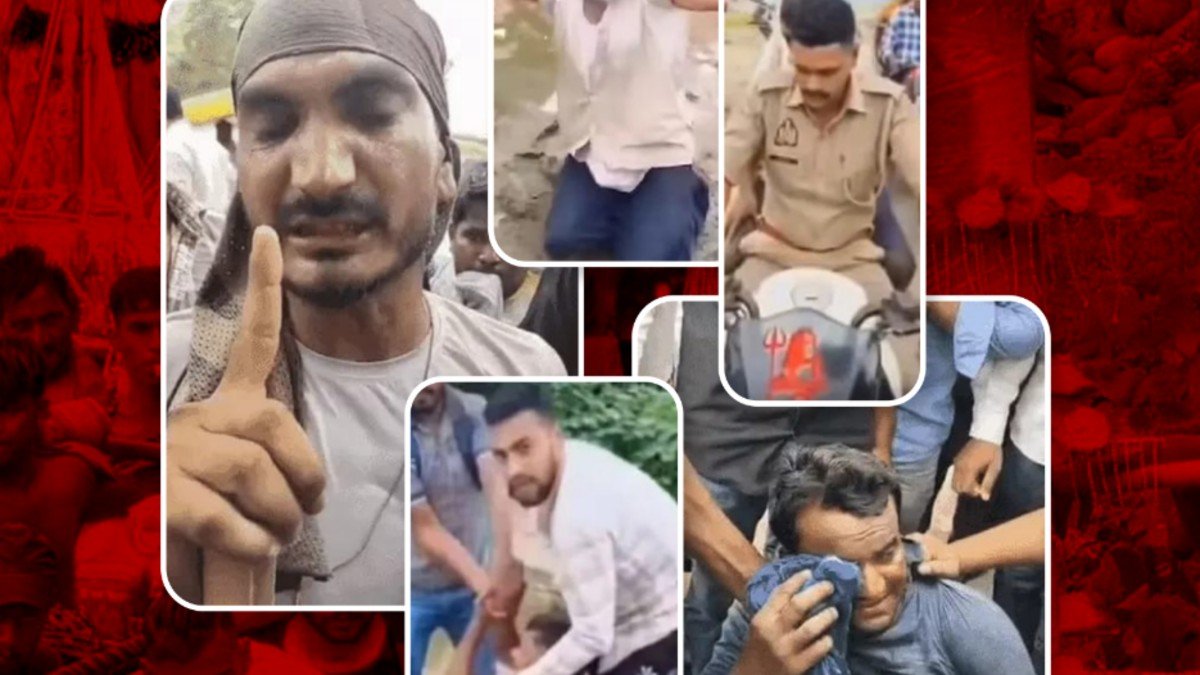
According to APCR, its compiled dataset contains 18 reported hate incidents, including nine documented physical or coercive incidents, four or more boycott or discriminatory food related measures and at least five viral or reported references involving alleged obscene conduct that require independent verification.
The report also records 18 fatal assaults among the compiled cases.
APCR clarified that these figures represent distinct entries documented in its report and are not an official national crime total. It also said the findings should not be interpreted as suggesting that all Kanwariyas engaged in misconduct.

Road Disputes and Alleged Assaults
The report identifies road related disputes as a recurring trigger for violence during the pilgrimage period. According to APCR, several incidents began after minor collisions or alleged contact with kanwars, the decorated structures used by pilgrims to carry water from the Ganga.
Among the cases cited is the alleged assault on 24 year old truck driver Azeem Ali near Brijghat toll plaza on the Uttar Pradesh Delhi border. APCR said Ali was dragged from his vehicle and beaten after a collision with a parked auto rickshaw. He later died of his injuries.
The report also refers to alleged assaults in Meerut, Lucknow, Ghaziabad and Rampur, including incidents involving Muslim men accused of damaging or touching kanwars.
APCR said some cases involved police presence or intervention but alleged that authorities did not always act against those accused of assault.
Economic and Food Restrictions
The report examines restrictions imposed on meat, fish, egg and liquor businesses along pilgrimage routes, as well as alleged pressure on Muslim owned eateries.
It cites orders in parts of Uttar Pradesh requiring non vegetarian food shops to close during the yatra. In Muzaffarnagar, hotel and dhaba owners were reportedly instructed not to cook or serve non vegetarian food and were also asked to avoid onions and garlic.
The report also documents a case in Baheri, Uttar Pradesh, where a chicken biryani shop was allegedly demolished and its owner detained following complaints about the sale of non vegetarian food.
APCR said such measures, combined with identity linked scrutiny of businesses, could disproportionately affect Muslim traders.
The report also notes that on July 22, the Supreme Court stayed directives issued by Uttar Pradesh and Uttarakhand authorities requiring eateries along the Kanwar route to display the names and details of owners and staff.
Obscene Conduct and Public Accountability
APCR has also included several viral videos showing alleged obscene gestures and dance performances during Kanwar processions. However, it acknowledged that the material requires independent verification before being treated as evidence of criminal conduct.
The report argues that weak enforcement of public order rules can allow vulgar public performances, intimidation and communal hostility to become normalised.
It particularly raises concerns about the possible impact on women from minority communities, including Muslim women, while clarifying that this is an analytical concern rather than a proven causal finding.
APCR Calls for Equal Enforcement
The report’s central argument is that religious devotion should not be confused with the alleged misconduct documented in individual cases. Instead, APCR has called attention to what it describes as unequal enforcement of public order rules.
According to the organisation, traffic diversions, route closures and food restrictions affected residents, commuters and businesses, while alleged vigilante actions created additional pressure on minorities.
APCR said its report aims to place the documented incidents in one public record and encourage consistent enforcement of the law, regardless of religious identity. It also distinguished between documented incidents, interpretation and material that still requires verification.