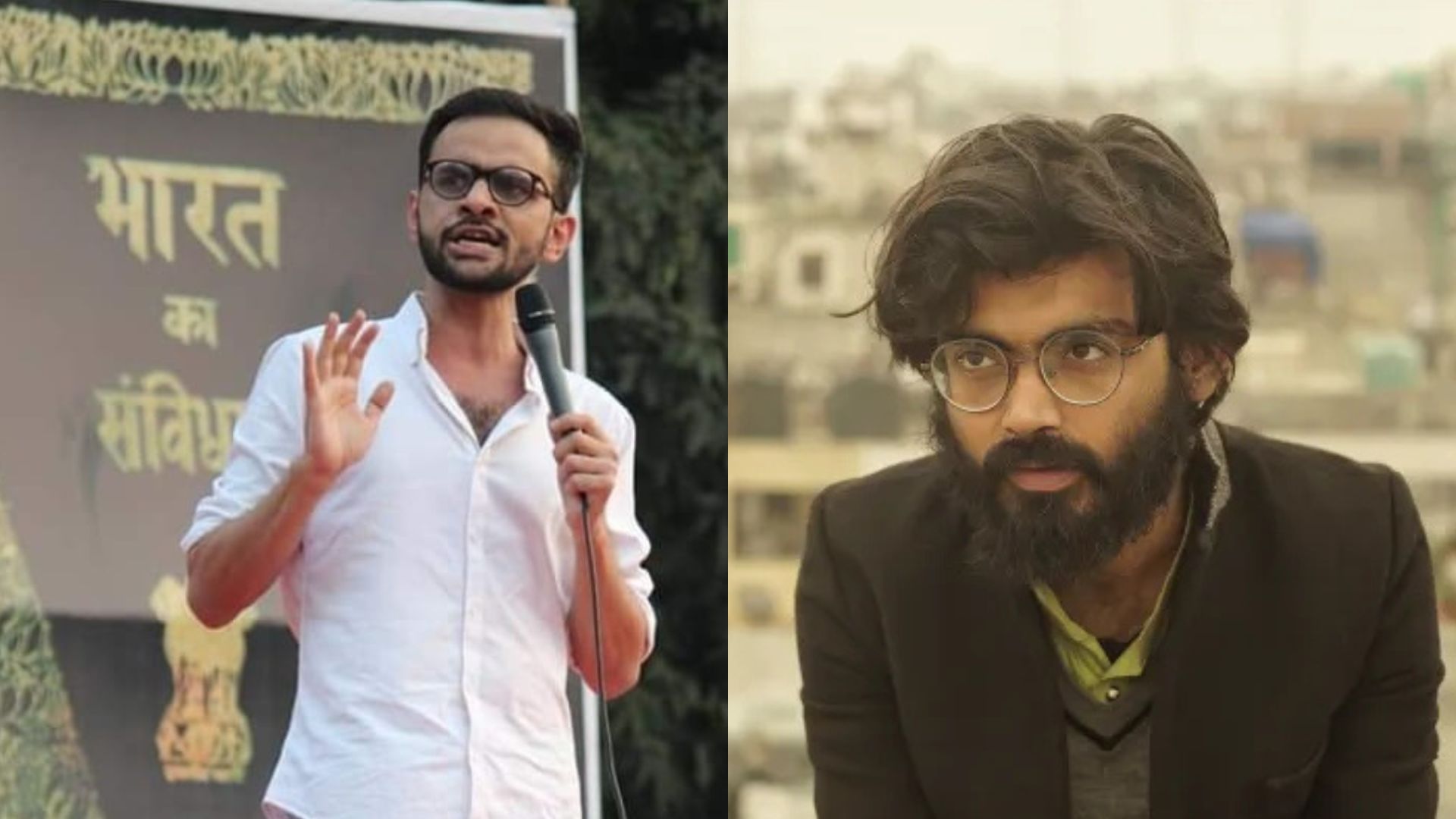
A Mumbai Sessions Court has rejected the anticipatory bail pleas of two students of the Tata Institute of Social Sciences (TISS), who were accused of allegedly raising slogans seeking the release of activists Umar Khalid and Sharjeel Imam during a gathering held on the institute’s campus in October 2025.
Seven other students accused in the same case were granted anticipatory bail.The case relates to a gathering held on October 12, 2025, to commemorate the death anniversary of former Delhi University professor G N Saibaba, who died in October 2024. According to the FIR, around 10 to 12 students had gathered near a hostel at the TISS Deonar campus between 7.30 pm and 8.30 pm without prior permission from the institute administration.
The two students whose bail pleas were rejected allegedly raised slogans supporting the release of Khalid and Imam, who have been in custody since 2020 in connection with the Northeast Delhi riots conspiracy case under the Unlawful Activities (Prevention) Act (UAPA).
Judge V B Bohra observed that paying homage to Saibaba was not illegal but said the allegations against the two students went beyond commemorating him. The court noted that they were also accused of raising slogans in support of Khalid and Imam, who are facing UAPA proceedings.
“Being students, it was expected from accused persons to respect the Law of Land,” the judge said while rejecting their pleas.
The two students denied raising any such slogans or making speeches. Their lawyers argued that they had been implicated on the basis of “false narratives” circulated on social media and that there was no independent evidence establishing that they had raised the alleged slogans.
The prosecution also relied on material allegedly recovered from the students’ electronic devices, including works by Mao Zedong and Vladimir Lenin and publications linked to the banned Communist Party of India (Maoist).
The students’ lawyer argued that possession or downloading of such books did not establish an affiliation with Maoist ideology, pointing out that the material was freely available.
The court, however, said that while merely downloading books published by a Maoist organisation would not by itself constitute an offence, the material, when considered alongside the allegations concerning the slogans, raised doubts about the students’ conduct.
The court granted anticipatory bail to seven other students, noting that the principal allegation against them was participation in the Saibaba memorial gathering and that no incriminating material had been recovered from them. Two of those students had also allegedly recited a poem written by Saibaba, but the court noted their cooperation with the investigation and absence of criminal antecedents.
Saibaba had been convicted in 2017 in a case concerning alleged Maoist links but was acquitted by the Bombay High Court in 2024 and released. He died seven months later.
The FIR in the TISS case invokes provisions relating to promoting enmity between groups, statements prejudicial to national integration and unlawful assembly. The students have denied the allegations.
The case was initially registered by Trombay police following a complaint by a TISS associate dean and was later transferred to the Mumbai Police Crime Branch.