The union government informed the Lok Sabha that a total of 40 student suicides have been reported in Jawahar Navodaya Vidyalayas (JNVs) over the last five years, from 2021 to 2025, with three more cases recorded in 2026 so far. Jharkhand and Madhya Pradesh reported the highest number of cases at five each, while Bihar, Karnataka, Kerala, Rajasthan, and Uttar Pradesh recorded three cases each.
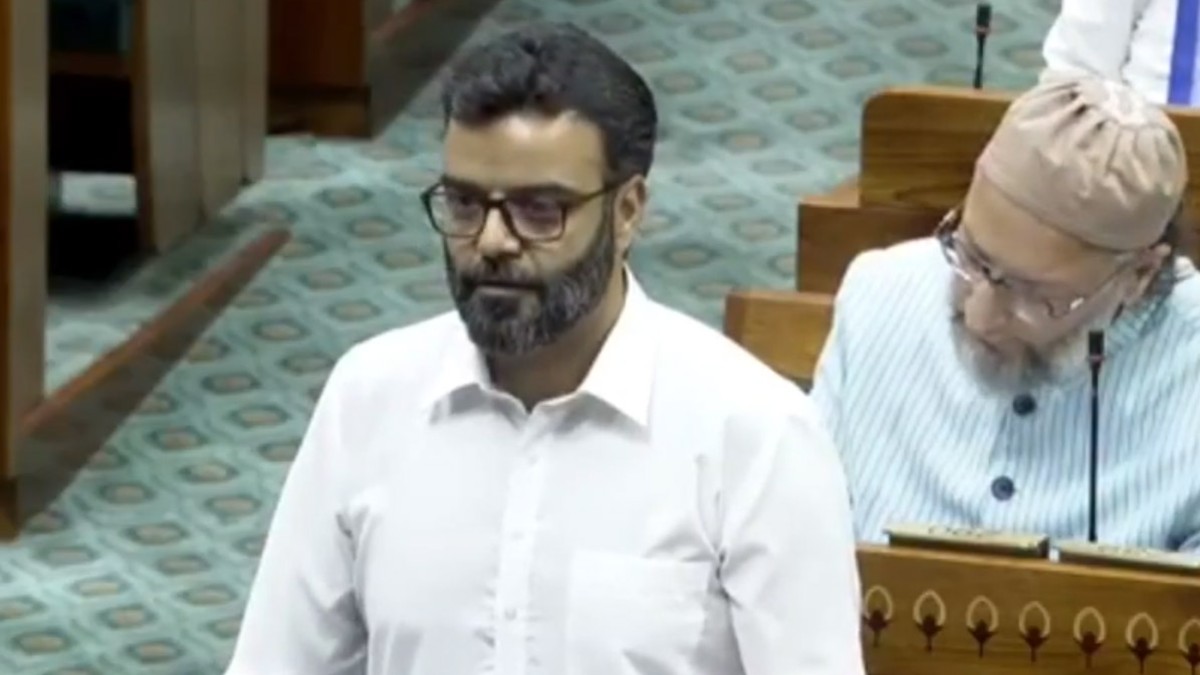
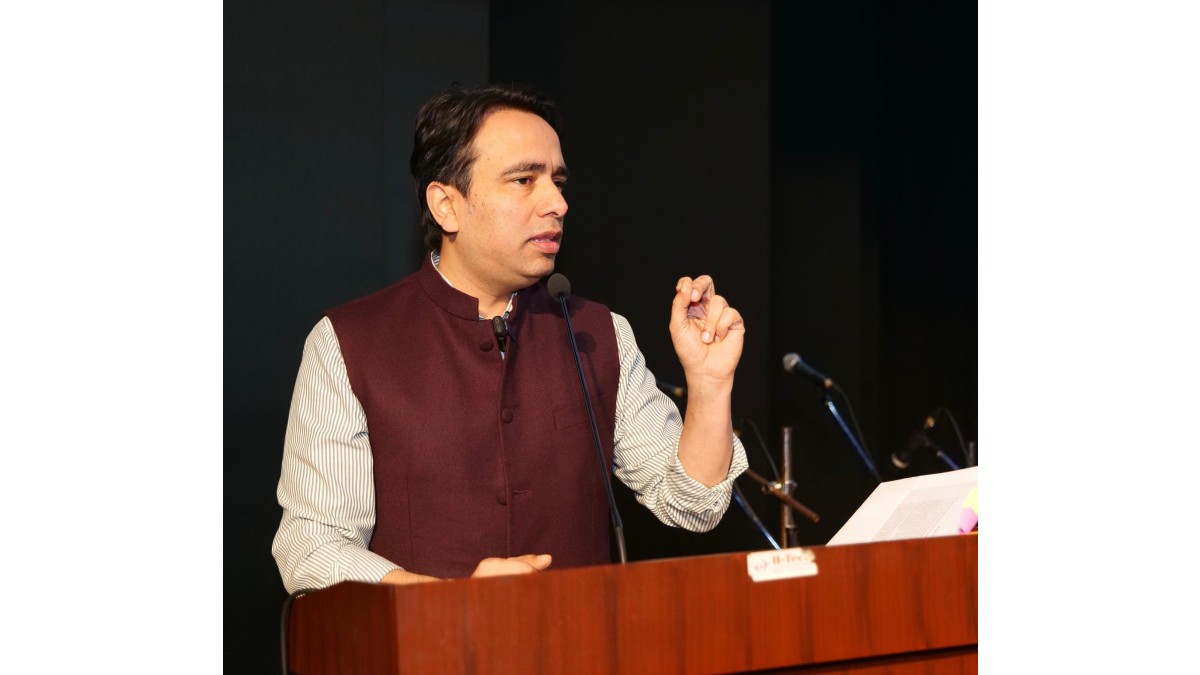
Responding to questions from Congress MP Kodikunnil Suresh on suicide cases and corrective measures, Minister of State for Education Jayant Chaudhary said that the Navodaya Vidyalaya Samiti (NVS) has conducted fact-finding inquiries into all cases through specially constituted committees.
Main Causes of Student Suicides
Chaudhary said the inquiries identified multiple contributing factors. “The major causes include family-related issues, examination and academic pressure, high parental expectations, adolescent behavioural concerns, and mental health challenges,” he told Parliament.
NVS is an autonomous organization under the Union Ministry of Education that manages more than 650 residential JNVs across India, except in Tamil Nadu, with over 3.10 lakh students enrolled. Approximately 75 percent of seats are reserved for rural students selected through a national-level test.
Data shared by Chaudhary showed a rise in student suicides from two cases in 2021 to a peak of 12 in 2024, followed by eight cases in 2025. So far in 2026, three incidents have been reported. These cases span multiple states, including Andhra Pradesh, Assam, Bihar, Chhattisgarh, Jharkhand, Karnataka, Kerala, Madhya Pradesh, Maharashtra, Odisha, Punjab, Rajasthan, Uttar Pradesh, and West Bengal.

Government Initiatives to Support Mental Health
Chaudhary highlighted several steps taken by the central government to strengthen mental health support for students in JNVs. “A high-level meeting was recently held, attended by senior psychologists and principals of identified JNVs where suicides occurred. NCERT faculty and NVS officials also participated to analyse these cases,” he said.
He added that the National Centre for School Leadership at the National Institute of Educational Planning and Administration (NIEPA) conducts capacity development workshops for JNV principals focused on student mental health and social-emotional well-being.
Counselling and Training Programs for Students and Staff
The minister noted that every JNV has male and female counsellors, tele-counselling services, and the option for principals to seek support from professional counsellors at government hospitals. Teachers, who act in loco parentis, are trained in guidance and counselling. Some house masters undergo in-service training, while others are nominated for a one-year diploma course in counselling offered by NCERT.
Chaudhary also mentioned a task force set up in 2018 to strengthen psychosocial support, which has introduced initiatives such as a toll-free helpline (1800-180-7992) and “Happy Hours” sessions to promote positive interaction and emotional well-being. Additionally, 50–60 teachers are nominated each year for specialised counselling training to further enhance student support systems.
Focus on Prevention and Awareness
Chaudhary stressed that these measures aim to provide comprehensive support to students, reduce stress, and prevent future tragedies. “We are committed to strengthening the mental health framework in JNVs so that students have access to timely guidance, counselling, and emotional support,” he said.