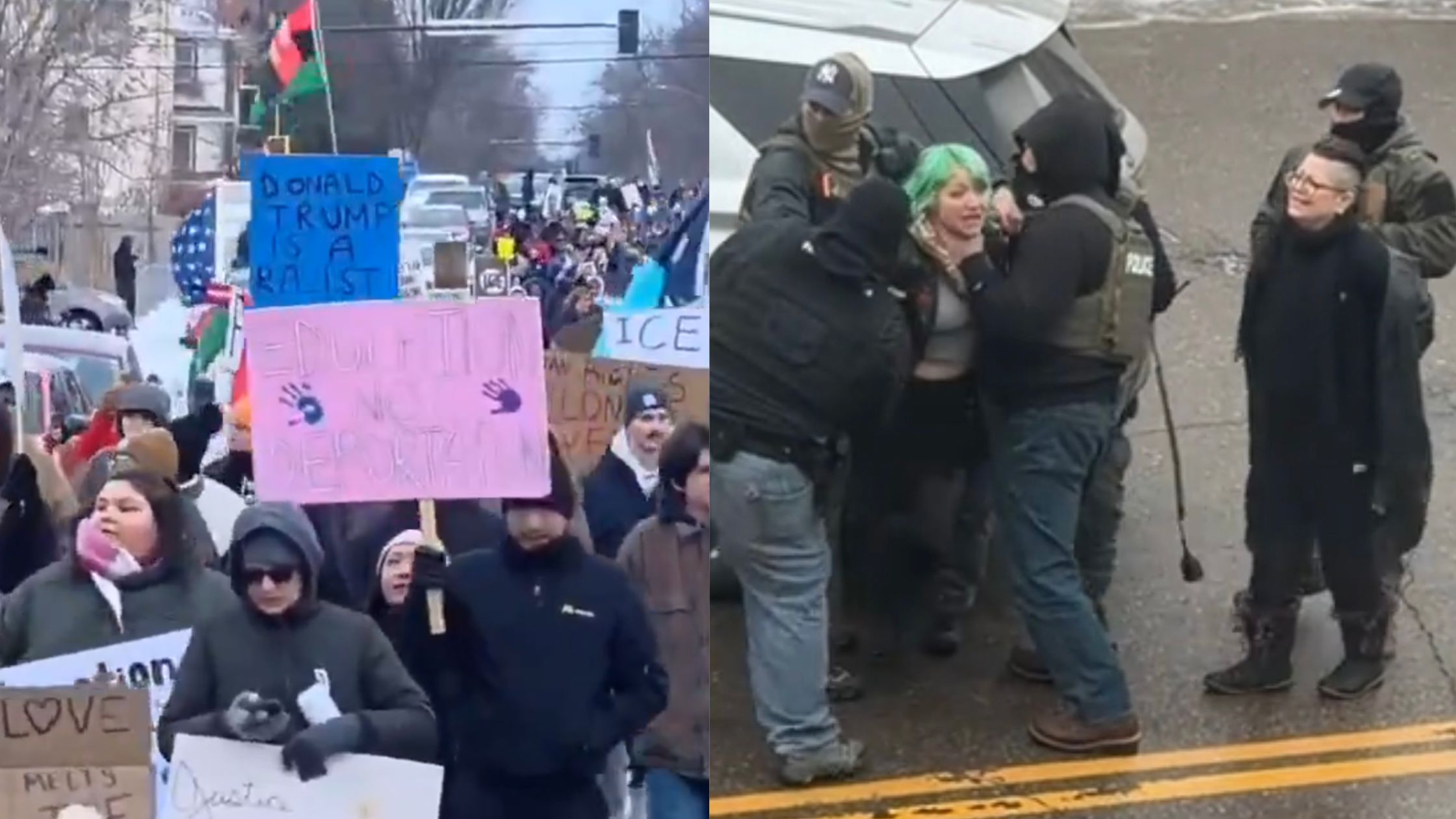
Thousands of people marched through Minneapolis on Saturday to protest the fatal shooting of Renee Good, a 37-year-old woman killed by a federal immigration officer earlier this week, as well as the shooting of two protesters in Portland, Oregon. The protest was part of a nationwide wave of demonstrations planned over the weekend, as Minnesota leaders urged citizens to remain peaceful.
“We’re all living in fear right now,” said Meghan Moore, a mother of two from Minneapolis. “ICE is creating an environment where nobody feels safe, and that’s unacceptable.”
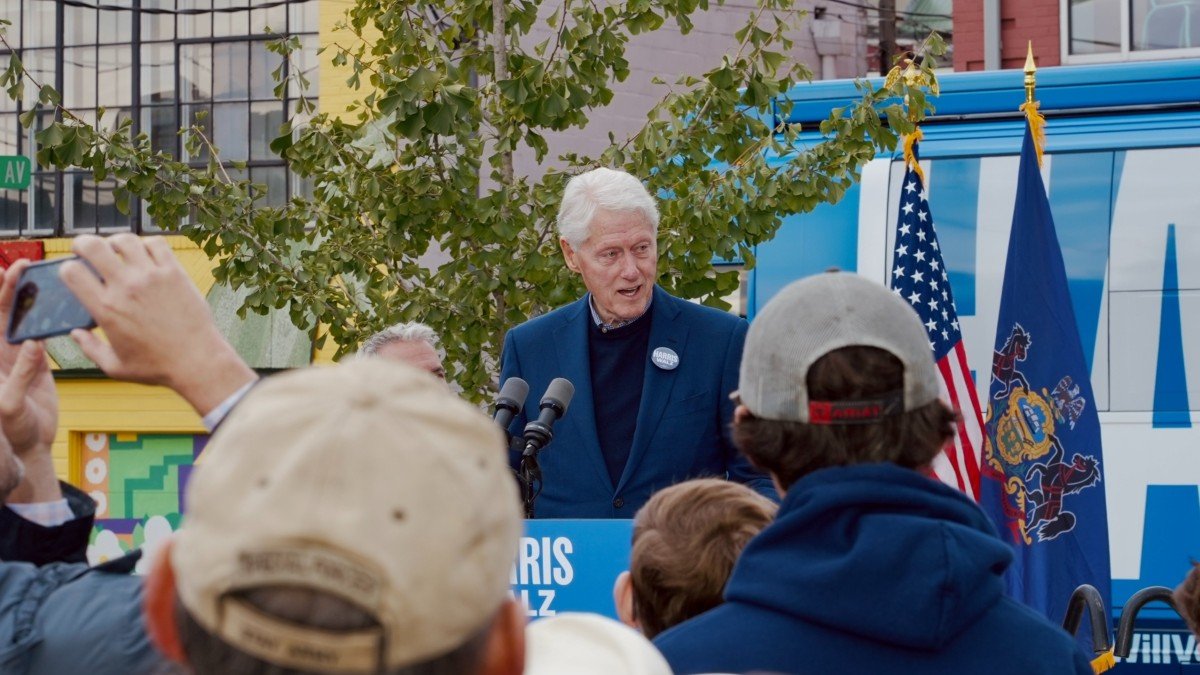
While the protest in Minneapolis was largely peaceful, tensions flared on Friday night during a demonstration outside a hotel, where protesters threw ice, snow, and rocks at police. Minneapolis Police Chief Brian O’Hara said one officer suffered minor injuries and 29 people were cited and released. Mayor Jacob Frey condemned the violence, saying, “This is what Donald Trump wants. He wants us to take the bait,” and emphasized that those endangering others or damaging property would face arrest.
Minnesota Governor Tim Walz also called for calm, warning that the federal deployment of officers was creating dangerous conditions. “Trump sent thousands of armed federal officers into our state, and it took just one day for them to kill someone,” Walz said. “Don’t give him what he wants.”
The Department of Homeland Security described its operation in Minnesota as the largest immigration enforcement deployment in U.S. history. The Trump administration has defended the shootings as acts of self-defence, claiming drivers had “weaponized” their vehicles to attack officers.
Connor Maloney, who attended the Minneapolis protest, said, “Almost daily I see them harassing people. It is just sickening that it is happening in our community.” Protesters carried signs reading “De-ICE Minnesota” and “ICE melts in Minnesota” as they marched through streets decorated with murals celebrating diverse cultures.
In other cities, demonstrations were also held. In Durham, North Carolina, Steven Eubanks, 51, said he felt compelled to protest the “horrifying” killing in Minneapolis. Indivisible, a nationwide activist network, reported that hundreds of protests were scheduled across Texas, Kansas, New Mexico, Ohio, Florida, and other states.
In Minneapolis, the protest was organized by a coalition of migrant rights groups and began in a park near the residential neighborhood where Good was shot. Marchers voiced support for immigrants and called for ICE to leave the city. A few miles away, heavily armed federal officers were seen confronting a civilian, though no detentions occurred.
Police reported that immigration enforcement activities have been widespread, with cars abandoned after drivers were detained and even pets left in unattended vehicles. Over 2,000 federal officers are involved in the crackdown, targeting alleged fraud involving Somali residents.
Three Minnesota congresswomen, Ilhan Omar, Kelly Morrison, and Angie Craig, attempted to tour the ICE facility in Minneapolis but were initially allowed in and then told to leave. They accused ICE of obstructing congressional oversight, citing a recent federal court ruling that temporarily blocked ICE from enforcing restrictions on congressional visits.
The Minneapolis protests mark a tense chapter in the city’s history with federal enforcement, coming just three years after nationwide unrest following the killing of George Floyd in 2020. Citizens continue to call for accountability while authorities seek to maintain peace amid widespread concern over immigration enforcement practices.