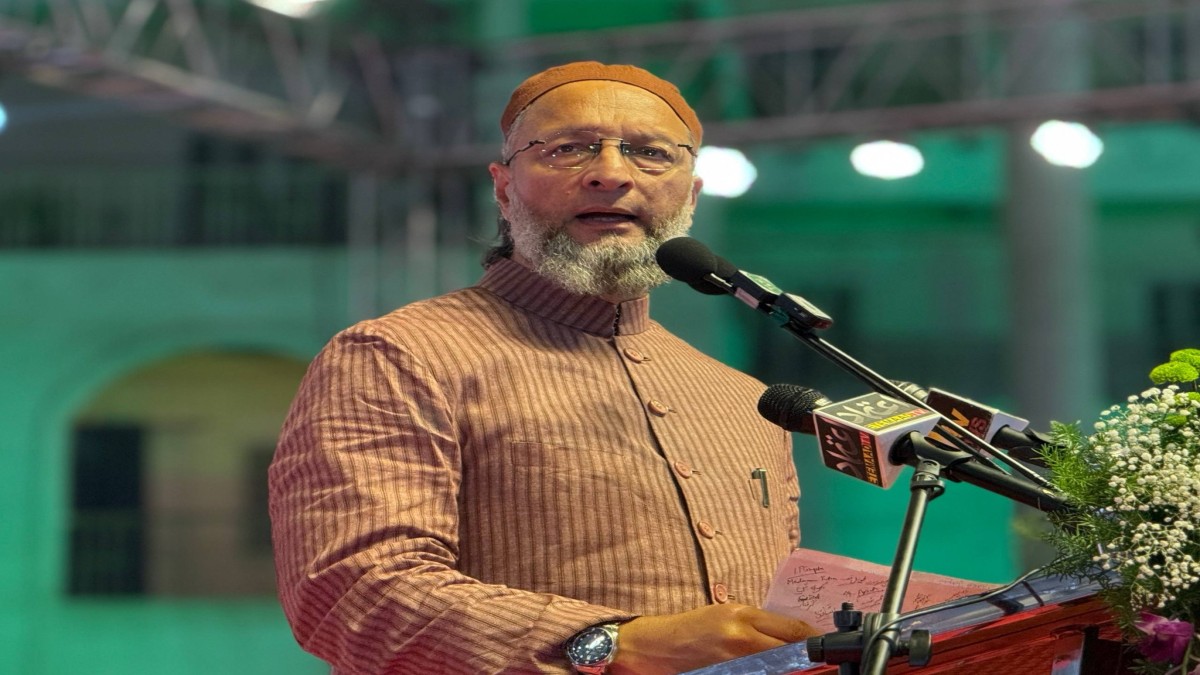
Asaduddin Owaisi on Monday strongly criticised the Uniform Civil Code (UCC) Bill introduced in the Assam Assembly, calling it “a backdoor imposition of Hindu law on Muslims” and questioning its claim of being uniform.
The BJP-led Assam government recently tabled The Uniform Civil Code, Assam, 2026 Bill, which proposes a ban on polygamy, mandatory registration of marriages and live-in relationships, and a common legal framework for marriage, divorce and succession.
Reacting to the Bill, Owaisi said its provisions exempt Scheduled Tribes, making the law “not uniform at all.”
‘Why Are Only Tribal Communities Exempt?’
In a post shared on X, the AIMIM chief questioned why tribal communities were exempted from the law while other communities would be governed by it.
“Every community has the right to protect its culture under Article 29, but why is only the tribals’ autonomy being protected? This is the imposition of a law that no one wants. The Assam Uniform Civil Code is not uniform at all,” Owaisi wrote.
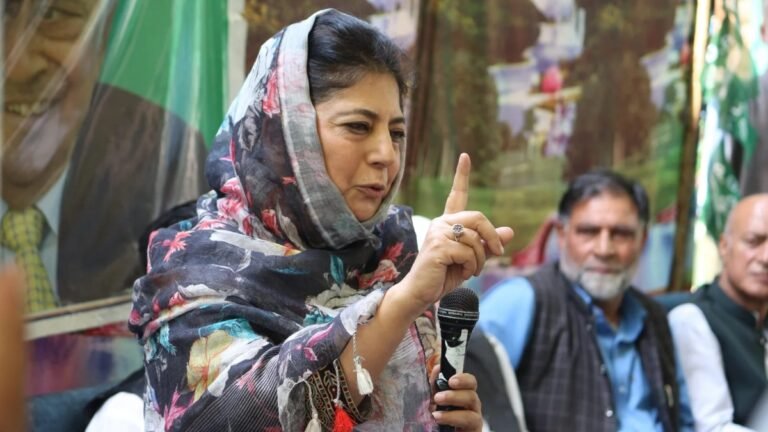
He further argued that the Constitution did not envision a compulsory UCC and alleged that the proposed law unfairly affects Muslims.
‘Hindu Principles Being Imposed on Muslims’
Owaisi claimed that the Bill effectively imposes Hindu legal principles on Muslim personal laws, especially on matters of inheritance, divorce and succession.
“This is a backdoor imposition of Hindu law on Muslims. On succession, inheritance and divorce, the Hindu principles are being imposed,” he said.
“Only Hindu culture is being protected, while Muslims have to comply with these so-called ‘uniform’ rules,” Owaisi added.
The Hyderabad MP also argued that the proposed law moves away from gender justice, particularly in matters of inheritance.

“In Islam, no one can deprive a legal heir of inheritance. No one can write a will giving all property to one son or deny daughters their rightful share,” he said.
“This UCC allows people to write wills that can deprive daughters of their due rights. This law is far from gender justice,” Owaisi claimed.
What the Assam UCC Bill Proposes
The proposed law seeks to establish a single civil legal framework for residents of Assam in matters related to marriage, divorce, succession and live-in relationships, regardless of religion.
However, Scheduled Tribes residing in Assam have been exempted from the Bill to protect constitutional safeguards and customary practices.
The Bill makes monogamy compulsory, bans polygamy and sets the minimum legal age of marriage at 21 years for men and 18 years for women.
It also mandates registration of marriages, divorces and live-in relationships. At the same time, the law allows marriages to continue according to different customs and ceremonies, including Nikah, Vedic marriage, Anand Karaj and Ahom Chaklong.
Gujarat Passed Similar UCC Earlier
Assam’s move follows a similar step by the Gujarat government, which passed a UCC law in March this year.
The Gujarat legislation introduced a common legal framework for marriage, divorce, inheritance and live-in relationships, while also exempting tribal communities. The ruling BJP described it as a reform aimed at equality, while opposition parties, including the Indian National Congress, criticised it as “anti-Muslim” and against constitutional rights.