The Assam Assembly on Wednesday passed the Uniform Civil Code (UCC) Bill, 2026, after more than five hours of discussion and strong objections from Opposition parties. The Bill, which was introduced earlier this week by the BJP-led government, seeks to create a common legal framework for marriage, divorce, inheritance, and live-in relationships in the state.
The legislation was passed by voice vote despite protests from Opposition MLAs, who demanded that the Bill be sent to a Select Committee for wider discussion and public consultation.
With this move, Assam has become the third state after Uttarakhand and Gujarat to pass a UCC law.
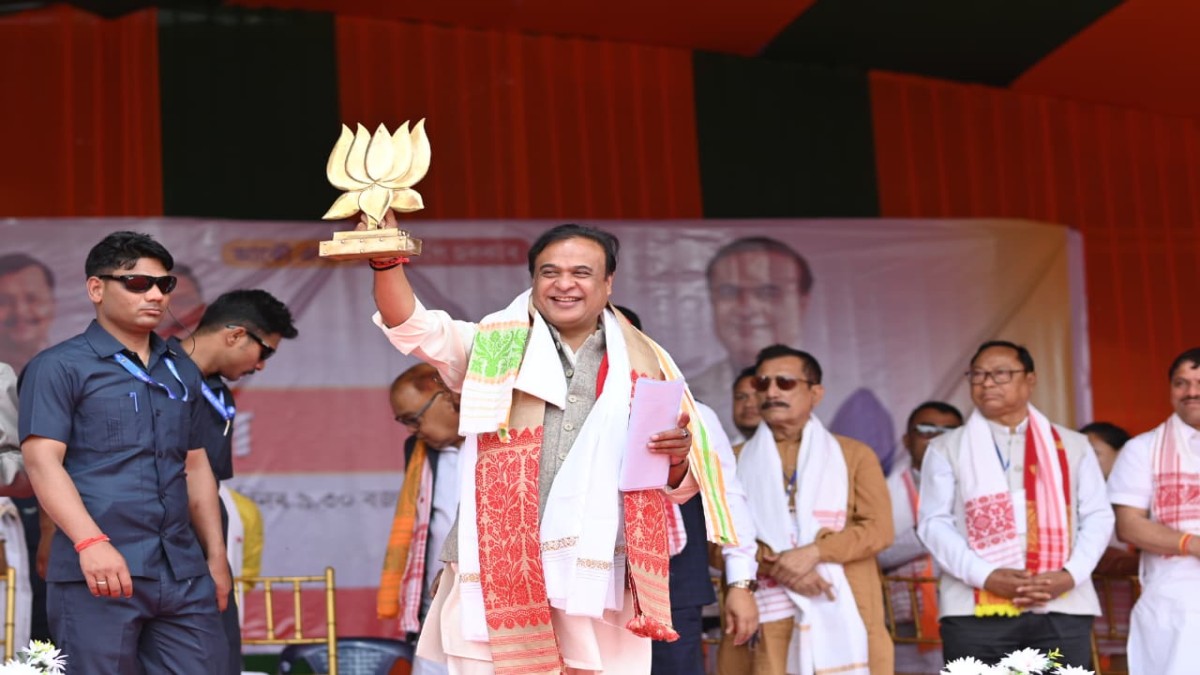
Assam Chief Minister Himanta Biswa Sarma called the law a “historic step” and said it was aimed at ensuring justice for women.
“This is the most secular, uniform and progressive law which will especially benefit Assam’s women by protecting them from polygamy and ensuring rights in inheritance, divorce and desertion,” Sarma said after the Bill was passed.
Opposition Questions Need for UCC
Opposition parties, including the Congress, Raijor Dal, and Trinamool Congress, opposed the Bill and argued that existing laws already address many of the issues raised by the government.
Congress Legislature Party leader Wazed Ali Choudhury questioned the political motive behind the legislation.
“There are already strong laws in the country against child marriage and for women’s rights. Triple talaq has already been criminalised and Assam has passed laws against polygamy. When these laws already exist, what is the political motive behind bringing a UCC?” he asked.
Congress MLA Jakir Hussain Sikdar also criticised the government for introducing the Bill without public consultation.
“They are calling the UCC historic, but such a historic decision cannot be made only through discussion among 126 MLAs. Religious organisations, political parties and the public should have been consulted first,” he said.
Debate Over Exemption for Scheduled Tribes
One of the major debates during the Assembly session was the exemption granted to Scheduled Tribes (STs), who make up over 12% of Assam’s population.
The Bill clearly states that it will not apply to members of Scheduled Tribes to protect their customary laws and constitutional rights.
Opposition leaders questioned how the legislation could be called “uniform” if a section of the population was excluded.
“What does uniform mean if it is not the same for everyone?” Sikdar asked, arguing that excluding tribal communities raised questions about equal rights for women from those communities.
Defending the exemption, BJP MLA Tuliram Ronghang said tribal communities are protected under the Sixth Schedule of the Constitution and already follow customary practices that ensure equality.

Chief Minister Sarma also defended the move, saying tribal communities already have systems that discourage practices such as polygamy.
“Medicine is given where there is illness. Where there is no illness, there is no need for treatment,” Sarma said, adding, “Our tribal people never accept polygamy and already provide equal rights to girls.”
Live-In Relationship Rules Spark Concern
A major point of controversy in the Bill is the regulation of live-in relationships. The law makes registration of live-in relationships mandatory and proposes penalties for failure to register.
Raijor Dal MLA Akhil Gogoi criticised the provision, calling it an invasion of privacy.
“This is complete interference in private liberty. It creates space for harassment, moral policing and unnecessary state intervention in people’s personal lives,” Gogoi said.

Congress MLA Zubair Anam also objected to the provision, saying it gives excessive powers to authorities and could violate privacy.
Responding to criticism, Sarma said the rules are aimed at ensuring accountability and protecting women’s rights.
“If a child is born in a live-in relationship or there is a breakup, what rights will the woman have? We are not saying live-in relationships are bad, but responsibility must exist,” he said.