AKASH CHATTERJEE
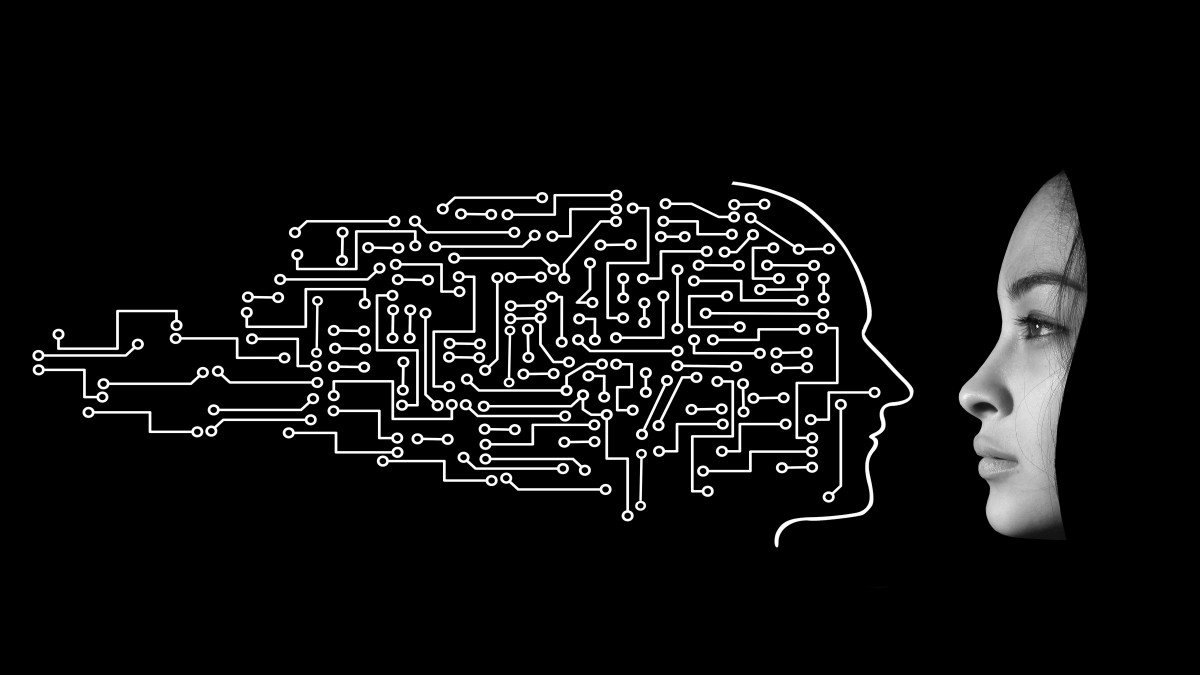
Gone are the days when we used to think what AI stands for – the current era wants you to stop thinking and use AI instead. Artificial Intelligence is no longer “coming soon”, changing our lives; rather, it has arrived, and it is now up to us to decide how to survive with it. By entering our classrooms, clinics, newsfeeds, and factories faster than we imagine, we need to think about whether the pace is faster than the rate at which society accepts it. This is the warning bell resounding in the Independent International Scientific Panel on AI; the world is not dealing with a futuristic idea anymore; it is struggling with a comprehensive inadequacy to live with the infrastructure that has already been introduced.
The most important aspect of the report is not a declaration of AI’s power but the fact that it has become a part of life before even understanding or properly testing it at times. From clinical diagnoses to treat your physiological and psychological problems, generating legal drafts for disputes, effectively serving as an author for scholastic works, even generating codes to create applications and impersonating voices, visuals of people – IT DOES IT ALL. It is no longer a supplement to human intelligence; AI has grown up to reject parental humane interference to make decisions of its own. The question lies, though – did we nurture it well or will it become the prodigal son?
When such an important change is setting in our lives, do we need to pause and reflect on how careful the screening has been or just let it pass? When medicines take years to get approval, and building plans need approvals, AI as a model is easily penetrating as a modern digital infrastructure dependent entirely on the creators and their goodwill. India is a robust adopter of digital technology, and AI can, in fact, solve many problems of this vast population. However, are we really getting integrated with the introduced AI models, or are we serving simple consumer interests to the foreign giants? If the AI is not trained in Indian languages and set in the country’s context, then we are simply allowing our cognitive processes to be shaped by a technology of a foreign land, and the integration remains incomplete.
The real fear is not a loss of jobs and employment but rather a loss of trust in modern narratives. If voices get clones and pictures get morphed, search results fail to understand Indian idiosyncrasy to move forward with global generalisation, our knowledge suffers from paranoia. This is not a time to resist or fear AI; Indianise it – AI training, supervision and sector-specific laws in health, education, finance, and journalism need to be the way forward.
The question is no longer “when” as the time is ripe to ask “how”.
The views expressed in this article are the author’s own and do not necessarily reflect the policy of the platform.