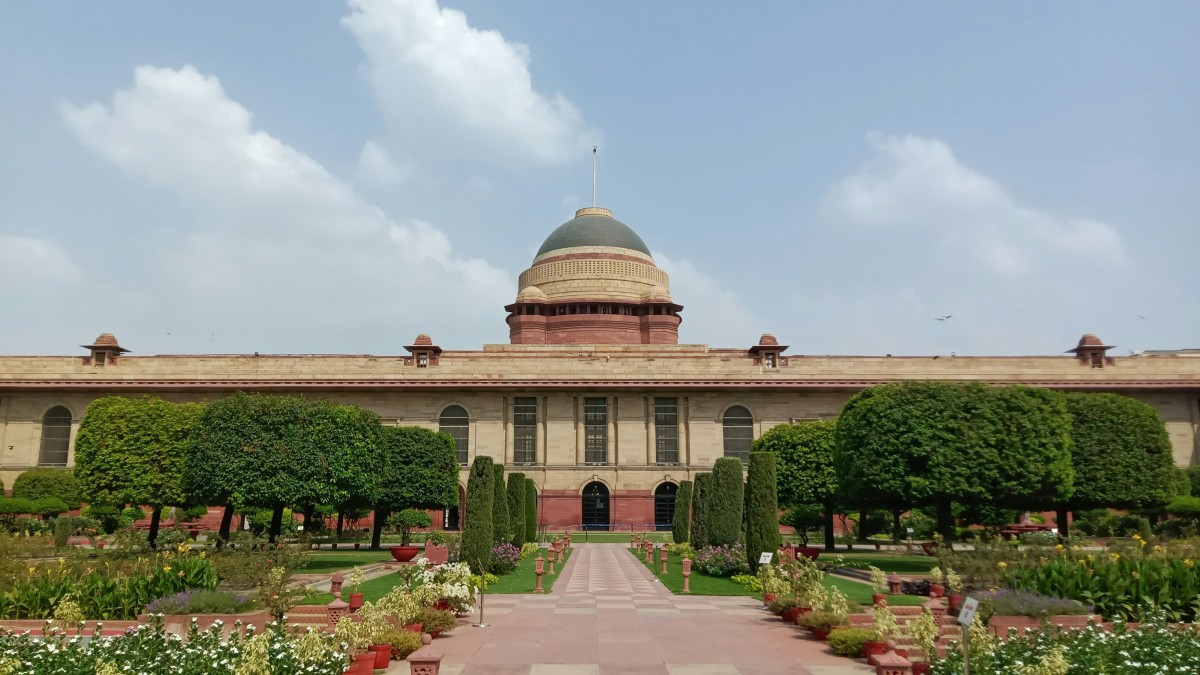
The Supreme Court on Friday passed an interim order prohibiting the unauthorised extraction, editing, sharing, reposting, uploading or monetisation of audio and video recordings of judicial proceedings on social media and other digital platforms without prior approval from the concerned court.
A Bench comprising Chief Justice of India Justice Surya Kant, Justice Joymalya Bagchi and Justice V. Mohan passed the order while hearing a public interest litigation seeking guidelines to regulate the misuse of courtroom recordings on digital platforms.
The Bench directed that no person shall extract, modify, disseminate, repost, upload or monetise audio or video recordings of court proceedings without prior permission from the Registrar General of the concerned High Court or the Secretary General of the Supreme Court.
However, the Court clarified that the interim direction will not affect fair news reporting of court proceedings.
Petition Raised Concerns Over Misuse of Courtroom Clips
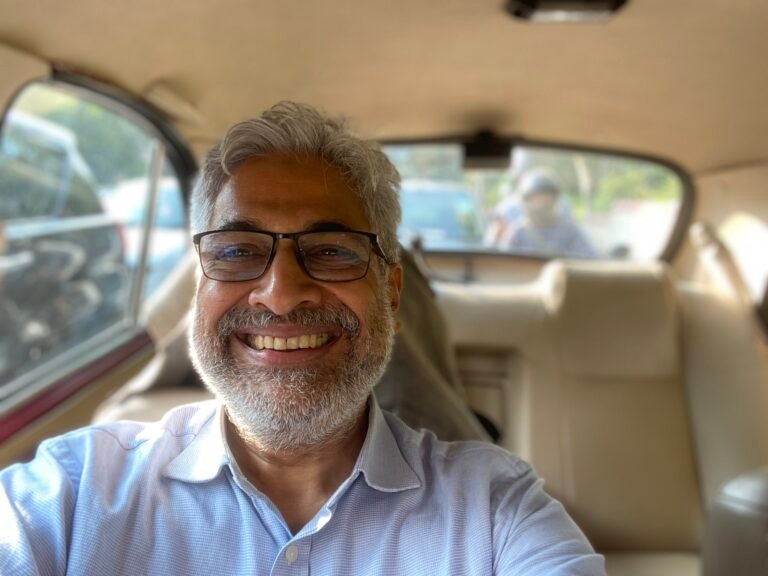
The petition, filed by journalist Harshita Grover under Article 32 of the Constitution, sought guidelines to regulate the clipping, editing, circulation and monetisation of court hearing videos.
It argued that selective and out-of-context circulation of courtroom exchanges on social media was damaging the dignity of courts and creating misleading public narratives. According to the plea, edited clips are often accompanied by sensational headlines and are used to generate online traffic and advertising revenue.
The Supreme Court issued notice on the petition and impleaded all High Courts in the matter. It also directed the Union Government to identify the nodal ministries that could implement the proposed regulatory framework.
In addition, all High Courts have been asked to submit reports on the implementation of the Supreme Court’s livestreaming guidelines and explain the impact of continuous livestreaming of court proceedings.
The Court also issued notices to social media platforms, including Meta and X.
Court Expresses Concern Over Misuse of Livestreams
Senior Advocate Vikas Singh, appearing for the petitioner, clarified that the plea was not against livestreaming of court proceedings but against the misuse of edited clips circulating online.
“I personally don’t see any problem with livestream,” Singh submitted, adding that selective clips of hearings were going viral and creating misleading impressions about judicial proceedings.
Justice Joymalya Bagchi observed that regulating digital content had become one of the biggest challenges in the modern era. He suggested that livestreaming should perhaps become “an exception rather than a norm.”
“It can’t be a 24/7 entertainment channel by court,” Justice Bagchi remarked while expressing concern over unrestricted sharing of court hearing links and recordings.
AI Could Be Used to Manipulate Court Videos: SG
Solicitor General Tushar Mehta supported the plea for interim protection and warned about the risks posed by artificial intelligence.
“With the same lip movement, my and your lordships’ words can be changed in our respective voices,” Mehta told the Bench, cautioning that AI tools could manipulate courtroom videos while making them appear authentic.
He also argued that selective extraction of clips often creates distorted narratives about court proceedings.
Chief Justice Surya Kant agreed that misinformation arising from edited recordings and inaccurate reporting was becoming a serious concern.
“In the print forum, I have already experienced. What I never said was thrust upon me by these people,” the Chief Justice remarked, referring to recent instances of media reports that, according to him, misrepresented his observations.
Safeguards Sought Without Affecting Open Justice
The petition stressed that it does not seek to restrict open justice or accurate reporting of court proceedings. Instead, it seeks reasonable safeguards to prevent unauthorised editing, misleading circulation and commercial exploitation of judicial recordings while preserving transparency and public access to court proceedings.
The matter will now be heard further after responses are received from the Union Government, High Courts and social media intermediaries.