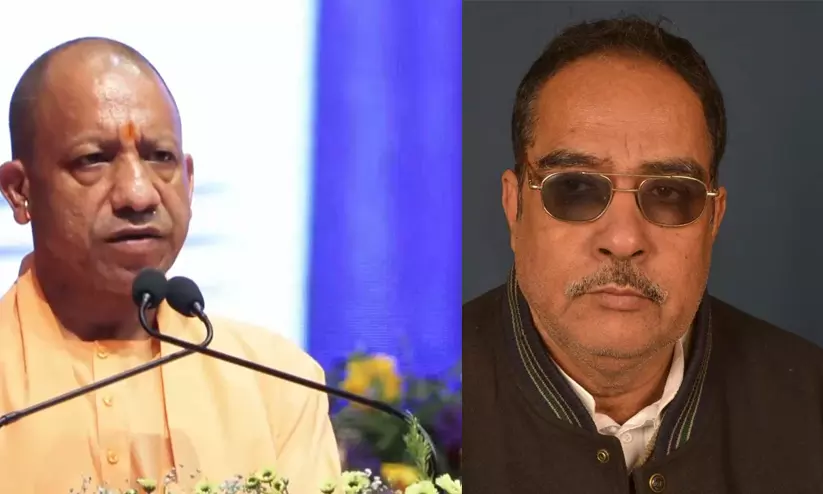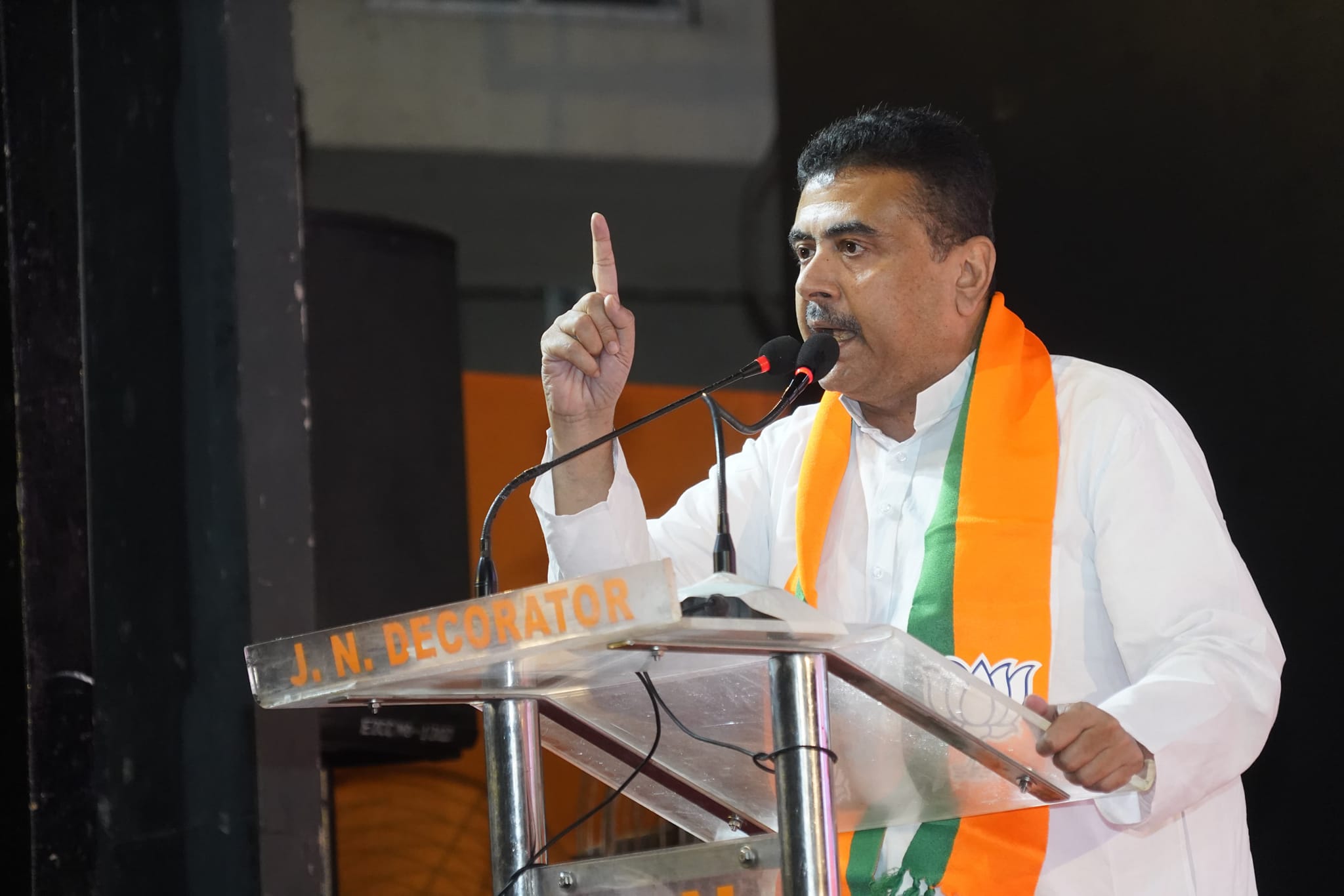
West Bengal Chief Minister Suvendu Adhikari has said that his government will soon introduce the Uniform Civil Code (UCC), followed by laws aimed at preventing forced religious conversion and placing new legal restrictions on land transactions.
Addressing a review meeting of the Paschimanchal Unnayan Parshad in Bankura on Tuesday, Adhikari said the BJP government had two more major legislative tasks after bringing the UCC.
“We will bring the UCC very soon; one country, one law. After that, our next steps will be to bring a stringent law to prevent forced conversion and new legal restrictions on land purchase and sale,” he said.
The chief minister did not provide details about the proposed land law or clarify whether it would restrict property transactions between people belonging to different religious communities.
‘Two Tasks Remain’: Adhikari
Adhikari linked the proposed legislation to issues that have been central to the BJP’s political campaign in Bengal, including religious conversion, illegal migration and what the party has described as “land jihad”.
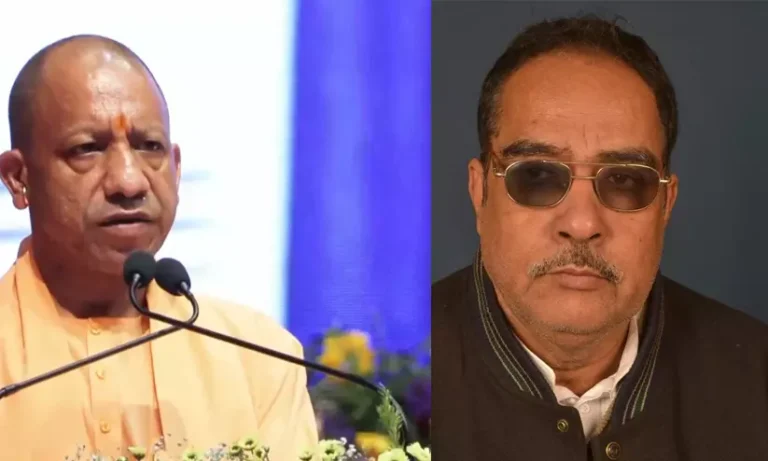
“Two tasks remain — bringing a law on religious conversion and another on land purchase and sale. I am doing both,” Adhikari said.
He also alleged that foreign-funded organisations were misleading poor people in Bankura and the Junglemahal region and were involved in illegal religious conversions and “fundamentalist” activities. These allegations were not independently established in the statements provided.
The announcement has also prompted comparisons with laws in other BJP-ruled states, including Assam, where restrictions apply to certain land transactions in protected areas and communities. However, it remains unclear whether West Bengal’s proposed legislation will follow the Assam model.
UCC Bill Expected Soon
The announcement comes weeks after the West Bengal Cabinet approved a committee headed by retired Supreme Court judge Justice Ranjana Prakash Desai to examine the draft UCC Bill.
Adhikari had announced the move in the state Assembly on June 29. The proposed UCC would create a common legal framework for matters such as marriage, divorce, inheritance, succession and adoption, replacing religion-based personal laws in these areas while retaining constitutional safeguards for exempted categories.

The BJP had promised in its Assembly election manifesto to introduce the UCC within six months of forming the government.
If the proposed legislation is passed, West Bengal would become one of the states moving towards implementation of a common civil code.
Government Links Legal Agenda With Border and Land Issues
At the Bankura meeting, Adhikari also highlighted measures taken by his government since it came to power.
He said land had been handed over to the BSF for border fencing, while the government had cancelled what he described as an “illegal” OBC list and discontinued the imam-muezzin allowance. He also referred to restrictions concerning the carrying of weapons during Muharram.
The BJP has for years raised concerns about alleged illegal migration and demographic changes in West Bengal’s border districts. Adhikari’s latest remarks suggest that some of these political issues could now become the subject of legislation.
₹1,610 Crore Development Package for Junglemahal
Alongside the proposed ideological legislation, the government announced a ₹1,610 crore allocation for the Paschimanchal region, including Bankura, Purulia, Jhargram and Birbhum.
Around ₹1,600 crore has been earmarked for development schemes, with backward gram panchayats expected to receive priority. The administration has planned a three-month schedule under which project reports will be prepared in September, tenders issued in October and work started after the Puja holidays.
Adhikari also directed officials to speed up implementation of welfare schemes, including Ayushman Bharat, PM Awas Yojana, PM Surya Ghar and Jal Jeevan Mission.
He further said Hindu refugees from Bangladesh who apply under the Citizenship Amendment Act (CAA) should continue receiving welfare benefits such as ration and old-age assistance while their applications are being processed.