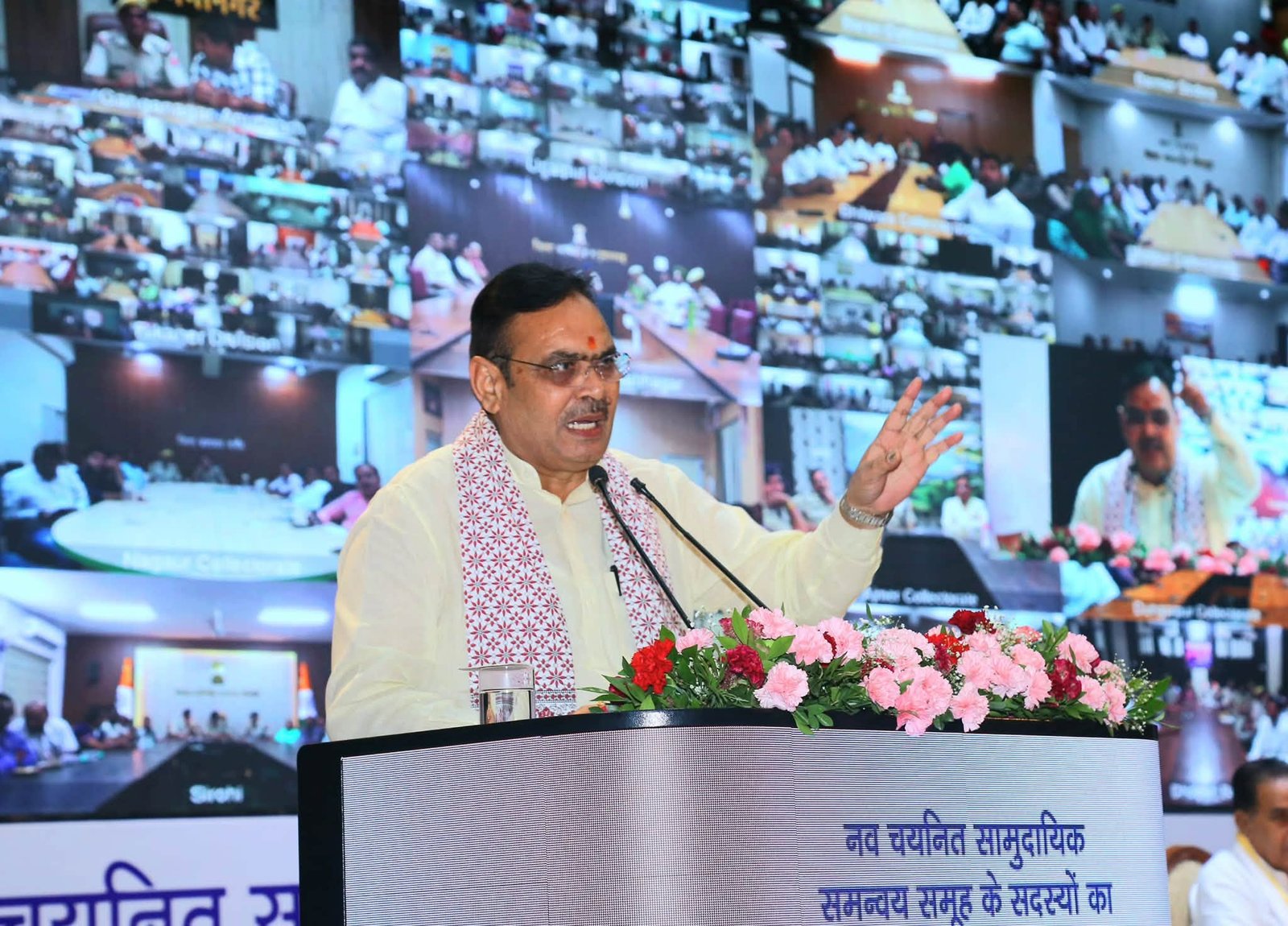
The Rajasthan Cabinet, chaired by Chief Minister Bhajan Lal Sharma, has approved the Rajasthan Uniform Civil Code (UCC) Bill, 2026, proposing common rules for marriage, divorce, inheritance and live-in relationships across communities.
The Bill is expected to be introduced in the Rajasthan Assembly when its monsoon session begins on August 20. If passed, Rajasthan will become the latest BJP-ruled state to move towards implementing a Uniform Civil Code.
Parliamentary Affairs Minister Jogaram Patel said the draft was prepared after a committee examined UCC laws and provisions in states including Uttarakhand, Gujarat and Assam.
Polygamy to Be Banned
One of the key provisions of the proposed legislation is a ban on polygamy. The Bill would establish common rules for marriage and other personal matters while allowing communities to solemnise marriages according to their customs.
However, registration of marriages would become compulsory.

Under the proposed law, all marriages solemnised after the UCC comes into force would have to be registered within 60 days. Failure to register would not make the marriage invalid.
A fine of up to ₹10,000 could be imposed for failing to register a marriage, while continued non-compliance after notice could attract a penalty of up to ₹25,000.
Government employees would also have to submit marriage registration certificates as part of their service records.
Live-In Relationships to Require Registration or Intimation
The Bill also proposes provisions for live-in relationships. Couples would have to register or provide written information about the beginning and end of such relationships.
According to Patel, the provision is intended to protect the rights of both partners.

The proposed law would also establish procedures for registering divorces and resolving disputes related to marriages. A Registrar would have to issue a certificate within 15 days of receiving an application for registration of marriage or divorce, or provide written reasons for rejection.
Equal Inheritance Rights for Sons and Daughters
The proposed UCC also seeks to provide equal inheritance rights to sons and daughters, irrespective of their religion or personal law.
It lays down rules for succession when a person dies without leaving a will. The Bill also contains provisions under which a court could declare a marriage void in certain circumstances, including forced or fraudulent consent and violations of the proposed Code.
However, the legislation will not apply to Scheduled Tribes and communities whose customary rights are protected under the Constitution, Patel said.
Rajasthan Joins States Moving Towards UCC
The move places Rajasthan among the BJP-ruled states pursuing a common civil law framework.

Uttarakhand became the first state in independent India to implement a UCC in 2025, while Gujarat, Assam and Madhya Pradesh have also moved legislation or taken steps towards implementing similar provisions.
The Uniform Civil Code has long been part of the BJP’s political agenda. The proposed Rajasthan legislation would replace separate religious personal laws in areas covered by the Code with common legal provisions governing citizens.
The Bill will now face scrutiny and debate in the Rajasthan Assembly before it can become law.