Two Parsi doctors from Mumbai are set to receive Pakistan’s highest civilian honour, the Nishan-e-Imtiaz, posthumously for maintaining the confidentiality of Muhammad Ali Jinnah’s serious illness before Partition.
Physician Dr Jal Ratanji Patel and radiologist Dr Jal Dhaybho-Koo examined Jinnah’s X-rays in 1946 and reportedly diagnosed him with advanced tuberculosis. According to historical accounts, they believed he had only one or two years to live.
Pakistan’s Federal Minister for Planning, Development and Special Initiatives Ahsan Iqbal, who also heads the country’s Awards Committee, announced their nomination on X. The award is expected to be formally conferred in March 2027.
‘Faithfully guarded the secret’
Iqbal said the two doctors had kept Jinnah’s condition confidential at a crucial point in history.
“I feel honoured to have had the privilege, as Chairman of the Awards Committee, of nominating for the Nishan-e-Imtiaz two remarkable doctors, a physician and a radiologist, both members of Bombay’s Parsi community, who faithfully guarded the secret of Quaid-e-Azam Muhammad Ali Jinnah’s terminal illness,” he wrote.

He added that their professional confidentiality amounted to a “quiet but extraordinary service”.
“By maintaining absolute professional confidentiality at such a critical moment, these doctors performed a quiet but extraordinary service,” Iqbal said.
He further claimed that their adherence to medical confidentiality “inadvertently became a significant contribution to the circumstances that made the creation of Pakistan possible.”
Why was Jinnah’s illness kept secret?
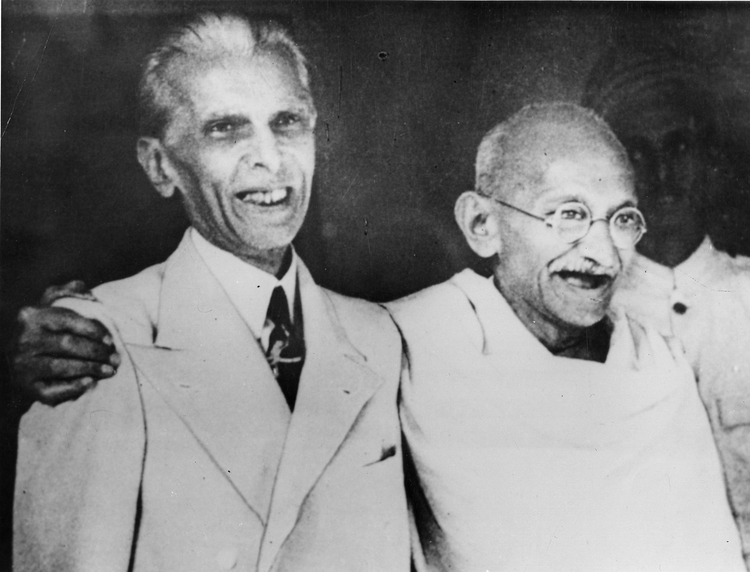
Jinnah had reportedly been suffering from tuberculosis for years, but the seriousness of his condition was known only to a small circle of people, including his sister Fatima Jinnah and the two doctors.
Historian Akbar Ahmed has written that Jinnah had suffered from tuberculosis since the 1930s, when the disease was particularly dangerous and effective antibiotic treatment was not available.

According to Freedom at Midnight by Larry Collins and Dominique Lapierre, Dr Patel told Jinnah after examining him that he was nearing the end of his physical strength and might have only a year or two to live.
Despite his condition, Jinnah continued to play a central role in the political developments that led to Partition and the creation of Pakistan in 1947.
Did Jinnah’s health influence Partition?
The secrecy surrounding Jinnah’s illness has long been discussed in accounts of Partition. Iqbal cited former British Viceroy Lord Louis Mountbatten, who reportedly said that knowing the extent of Jinnah’s illness might have changed his decisions regarding the timing of independence.
According to the account cited by Iqbal, Mountbatten later said, “I would have delayed the decision to grant Independence by several months. Pakistan would not have come into existence.”
Jinnah died from pulmonary tuberculosis on September 11, 1948, just over a year after Pakistan became independent.

The Nishan-e-Imtiaz for Dr Patel and Dr Dhaybho-Koo will therefore recognise not only their medical service but also their decision to maintain professional confidentiality during one of the most politically significant periods in South Asian history.