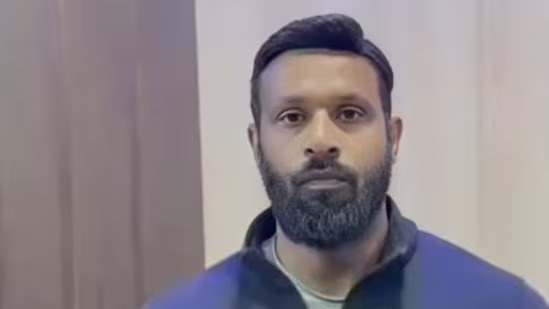
The Supreme Court on Monday, August 31, stayed proceedings in an FIR registered against Deepak Kumar, a gym operator from Kotdwar who came into the spotlight after intervening during a confrontation involving a Muslim shopkeeper and members of the Bajrang Dal.
A bench of Justices Vikram Nath and Sandeep Mehta also stayed the operation of an Uttarakhand High Court order that had restrained Deepak from making social media posts or public statements about the case.
Supreme Court Issues Notice to Uttarakhand Government
The court issued notice to the Uttarakhand government and other respondents on Deepak’s plea challenging the High Court’s refusal to quash the FIR. The matter has been listed after four weeks.
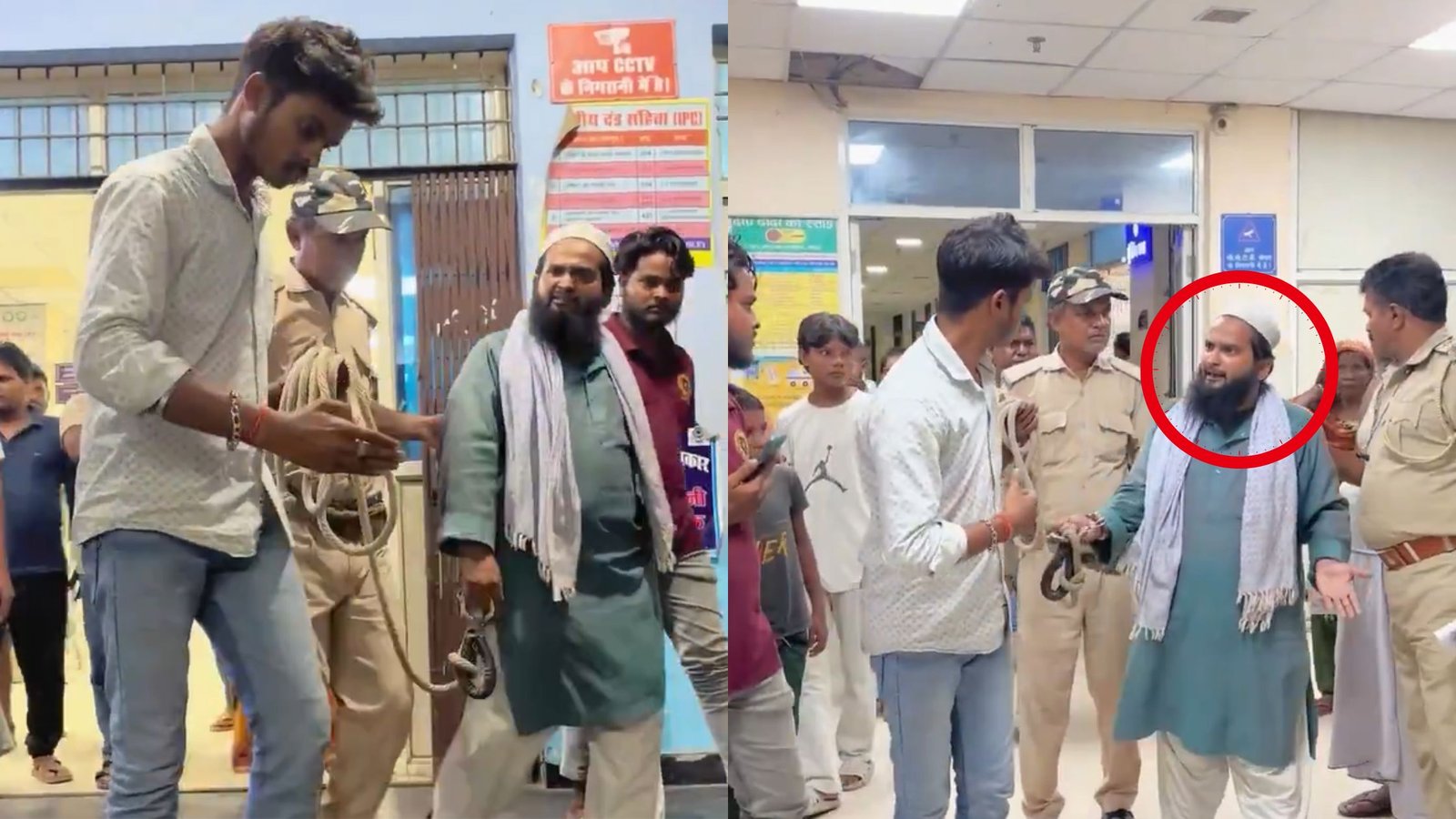
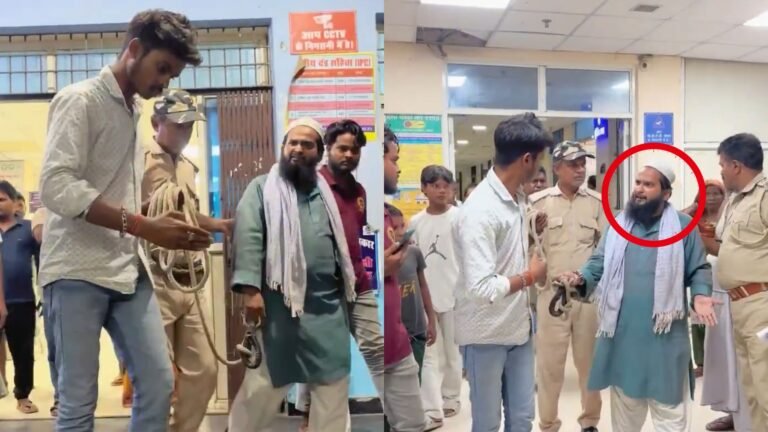
Senior Advocate Abhishek Manu Singhvi, appearing for Deepak, told the Supreme Court that his client had intervened after members of the Bajrang Dal allegedly confronted Muslim shopkeeper Vakil Ahmed over the use of the word “Baba” in the name of his shop.
Singhvi argued that Deepak had intervened to help Ahmed but later became an accused in an FIR, while complaints allegedly filed by Deepak in connection with the incident did not receive similar action.
“How can a good Samaritan be subjected to this kind of a complaint?” Singhvi told the court.
Deepak Became Known as ‘Mohammad Deepak’
Deepak became widely known as “Mohammad Deepak” after a video of the confrontation went viral on social media. In the video, when members of the group allegedly questioned him about his name, he was seen responding, “My name is Mohammad Deepak.”
The controversy began after members of the Bajrang Dal allegedly objected to Ahmed using the word “Baba” in his shop’s name in Kotdwar. Several cases were subsequently registered in connection with the incident.
Singhvi also referred to video footage of the confrontation while challenging the High Court’s decision. He pointed out that a rioting charge under Section 191 of the Bharatiya Nyaya Sanhita (BNS), which had initially been invoked against Deepak, was later dropped.
He argued that the remaining offences carried sentences of less than seven years and that safeguards laid down by the Supreme Court in Arnesh Kumar should therefore apply.
SC Stays Social Media Restriction
A key part of Deepak’s challenge concerned the Uttarakhand High Court’s direction preventing the parties from making statements or posting videos about the incident on social media.
Singhvi described the restriction as a blanket gag order and argued that it unlawfully restricted Deepak’s right to speak about the case.
The Supreme Court has now stayed the effect and operation of that order, including the restriction on Deepak’s social media posts.
High Court Had Refused to Quash FIR
Deepak had earlier approached the Uttarakhand High Court seeking the quashing of the FIR registered against him. He had also sought police protection for himself and his family and action against police officials whom he accused of acting unfairly.
The High Court had refused to quash the case and directed Deepak to cooperate with the investigation. It had also restrained the parties from making comments about the incident on social media, citing concerns over public sentiment and possible provocation.
The Uttarakhand government had opposed Deepak’s allegations, maintaining that he had not disclosed certain facts, including that police protection had been provided to him and that two FIRs had been registered on his complaints.