The West Bengal government has abolished the West Bengal Madrasah Service Commission (WBMSC) and merged its recruitment functions with the West Bengal School Service Commission (WBSSC), Chief Minister Suvendu Adhikari announced on Tuesday.
Chief Minister Suvendu Adhikari said that the Madrasa Service Commission had been dissolved and its responsibilities transferred to the School Service Commission. “The Madrasa Service Commission has been abolished; it has been merged with the School Service Commission,” the Chief Minister stated.
The decision means that recruitment to recognised madrasas will now be handled through the School Service Commission rather than through a separate recruitment body. The move is part of the state government’s broader effort to bring educational institutions under a more unified administrative framework.
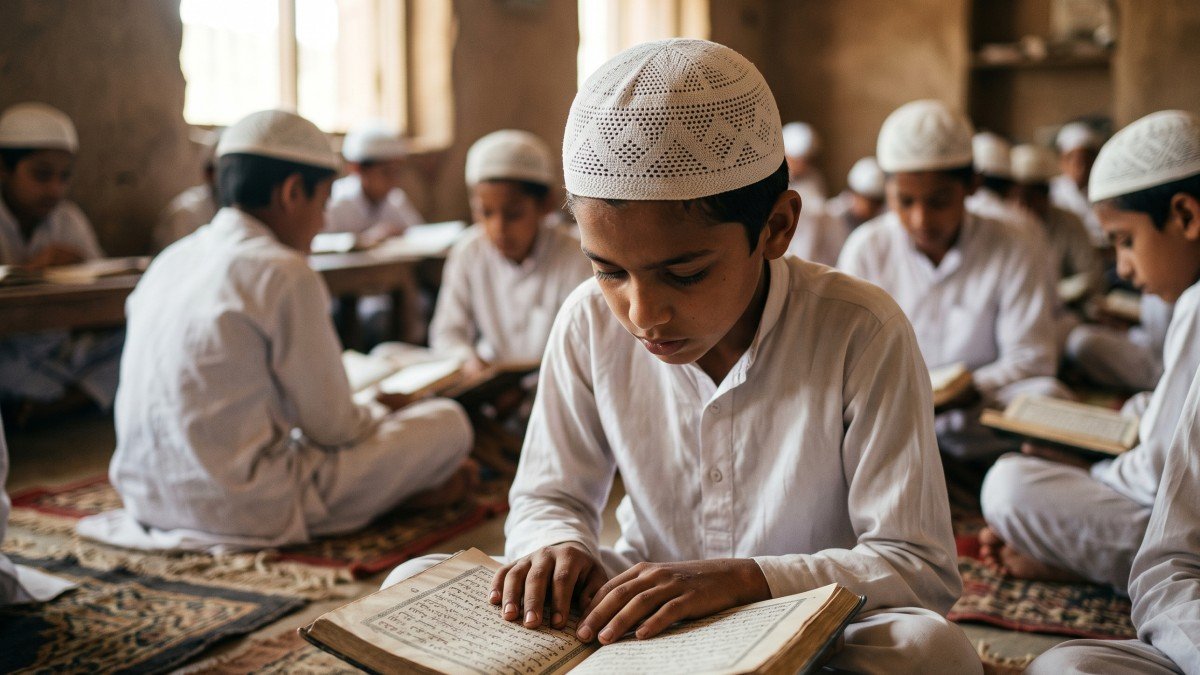
Under the existing system, the School Service Commission and Madrasa Service Commission operated separately for teacher recruitment in general schools and madrasas, respectively. Following the merger, recruitment for teachers in High Madrasas is expected to be conducted through the School Service Commission, with a common recruitment process and merit panel.
The government is also expected to streamline recruitment for teaching and non-teaching posts in recognised High Madrasas, Senior Madrasas and Junior High Madrasas. Officials believe bringing the recruitment process under a single commission could help reduce administrative delays.

SIO Raises Concerns
The decision has drawn criticism from the Students Islamic Organisation (SIO). SIO leader Md Tajuddin questioned the rationale behind abolishing a specialised recruitment body that had been functioning since 2008. “Why will an institution be silently wiped out? The Madrasa Service Commission, which was born in 2008, is going to be dissolved today in an announcement. It has been named ‘merger’. But removing two decades of trust and experience with a stroke of a pen is not just an administrative reshuffle; it is a policy question?” Tajuddin wrote on social media.
He argued that the commission’s recruitment process was open to candidates irrespective of caste, religion or community and said a specialised mechanism was important for recruiting teachers in subjects such as Arabic and Islamic Studies. Tajuddin also questioned whether transferring the responsibility to the School Service Commission would actually speed up recruitment, given the existing vacancies and administrative challenges facing the state’s school recruitment system.
“If the roof is leaking, the roof should be repaired, not the house being demolished,” he said, urging the government to reconsider the decision and introduce reforms rather than abolish the commission. He further questioned whether the merger could eventually lead to wider changes in the administration of madrasa education, asking whether the government could guarantee that madrasas themselves would not face a similar merger with mainstream schools.
Action Against Unrecognised Madrasas
The decision comes shortly after the state government initiated action against a large number of unrecognised madrasas following a statewide verification exercise.
In September, the government ordered the closure of 252 madrasas and issued show-cause notices to around 100 others following a statewide verification exercise. According to government officials, the survey found that 2,396 madrasas were functioning without the required approval or affiliation, while 2,132 had proper registration or affiliation. The action was based on issues including approval status, infrastructure and compliance with prescribed requirements. The government’s action has primarily affected institutions described as Khariji madrasas, which operate outside the formal government-recognition structure.
On the other hand, the state government’s decision was to transfer the administrative control and regulatory responsibility of Aliah University from the Minority Affairs and Madrasah Education Department (MAME) to the Higher Education Department.