Actor Imran Khan has approached the Bombay High Court challenging a notice issued by the Foreigners Regional Registration Office (FRRO) directing him to leave India by October 28 over alleged violations of immigration law.
In his petition filed on October 17, Khan has described the notice as “illegal, perverse, drastic and bad in law”, arguing that authorities did not disclose the specific violations alleged against him or give him an opportunity to respond before issuing the directive.
Khan, a US national and an Overseas Citizen of India (OCI) cardholder, has sought the cancellation of the notice and an interim stay on its implementation. He has also asked the court to restrain authorities from taking coercive steps, including deportation, issuing lookout notices or interfering with his OCI status.
The petition is expected to be mentioned for an urgent hearing before a division bench comprising Chief Justice Mahesh Chandra Tripathi and Justice Advait Sethna.
Why Was Imran Khan Asked to Leave India?
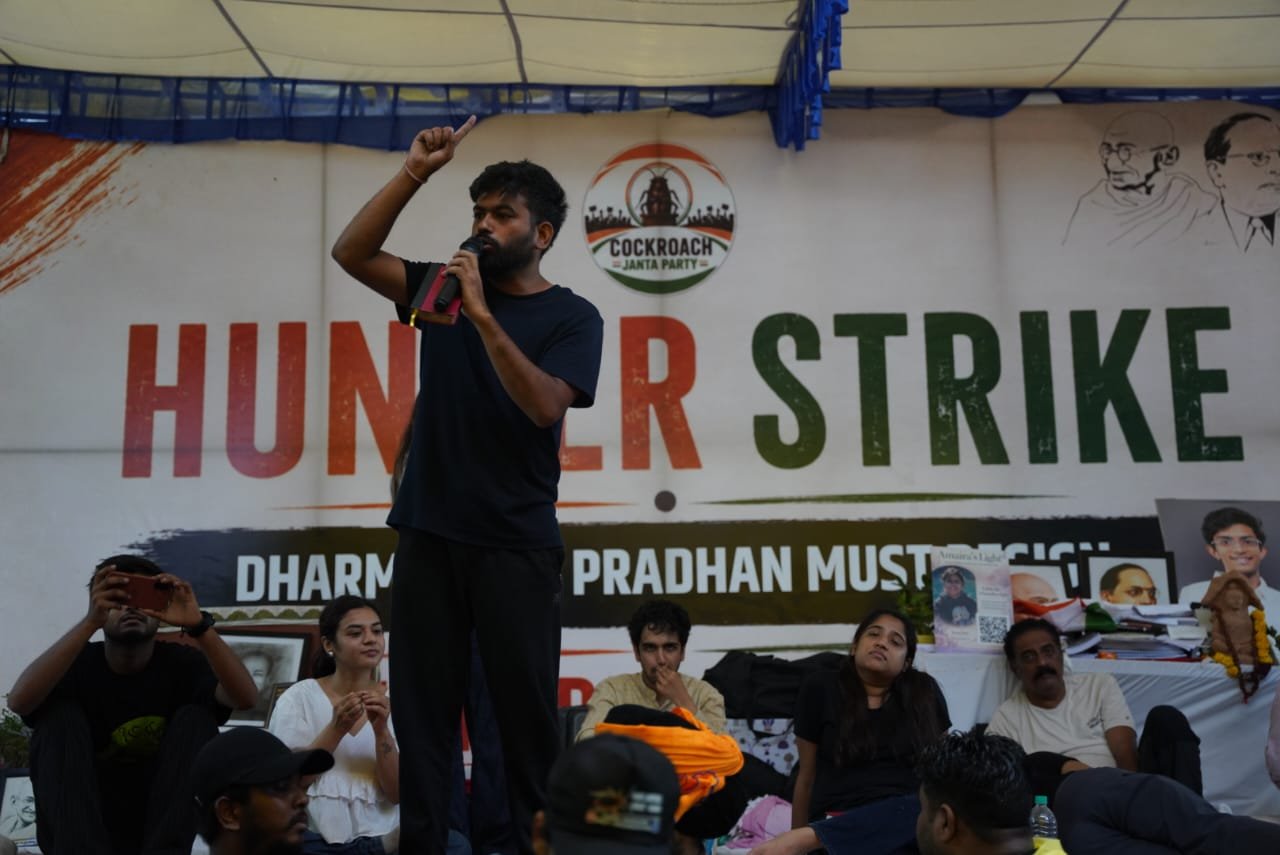
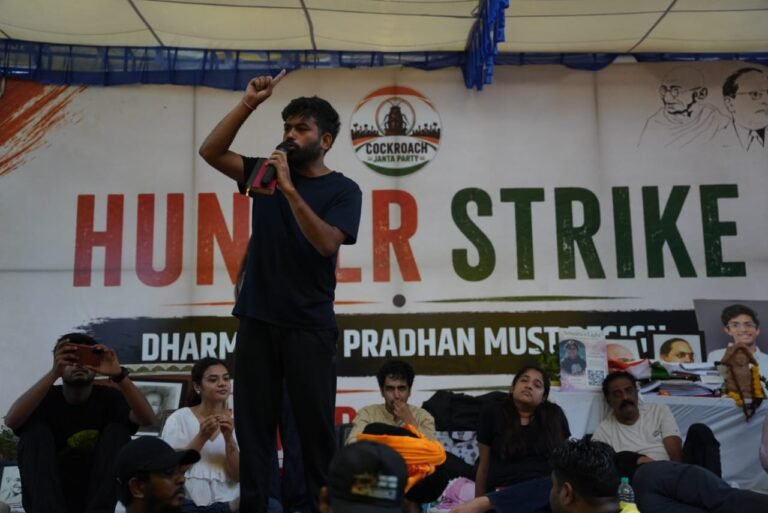
The FRRO notice followed Khan’s participation in a protest seeking the resignation of Chief Election Commissioner Gyanesh Kumar at Mumbai’s August Kranti Maidan on October 10. Khan was briefly detained by Mumbai Police during the demonstration.
The notice stated that Khan, identified as a US national, had “contravened” provisions of the Immigration and Foreigners Act, 2025, and directed him to leave India on or before October 28. It also warned that he could face prosecution if he failed to comply.
The action came after BJP leader Kirit Somaiya reportedly approached the police, alleging violations of the law. The police subsequently informed the FRRO about the matter.
What Does Imran Khan’s Petition Say?
According to the petition, the notice did not specify the conduct that allegedly violated the law, identify the relevant statutory provisions or provide supporting material.
“The notice has been issued without disclosing any reasons, supporting material, or specific statutory contravention. It was issued without inquiry, a show-cause notice, or any opportunity for the Petitioner (Khan) to respond to the alleged violations,” the plea states, according to a PTI report.
Khan has argued that the action was disproportionate, particularly because he was released on the same day after his brief detention.
“Directing a lifelong resident to leave India on account of a brief and unjust detention, from which he was released the same evening, is wholly disproportionate,” the petition states.
He has also alleged that the authorities acted under pressure from social media campaigns by political figures rather than independently examining the circumstances.
The plea further argues that Articles 14 and 21 of the Constitution protect every person within Indian territory and that executive action must follow due process.
What Are the Rules for OCI Cardholders?
Khan’s petition highlights his OCI status, which he has held since 2006. He has reportedly lived in India for more than four decades.
OCI cardholders are foreign citizens and do not enjoy all the rights available to Indian citizens. They cannot vote, contest elections to Parliament or state legislatures, or hold certain constitutional offices.
The petition argues that participation in a peaceful protest is not, by itself, prohibited under the rules governing OCI cardholders.
It also refers to Section 7D of the Citizenship Act, which provides grounds for cancelling OCI registration and sets out the relevant legal framework. Khan has alleged that the authorities failed to follow the required procedure and provide him a reasonable opportunity to respond.
He has asked the High Court to quash the directive and stay its operation while the case is considered.
The court’s response and the written orders in the matter are awaited.