Muzaffar Ahmad
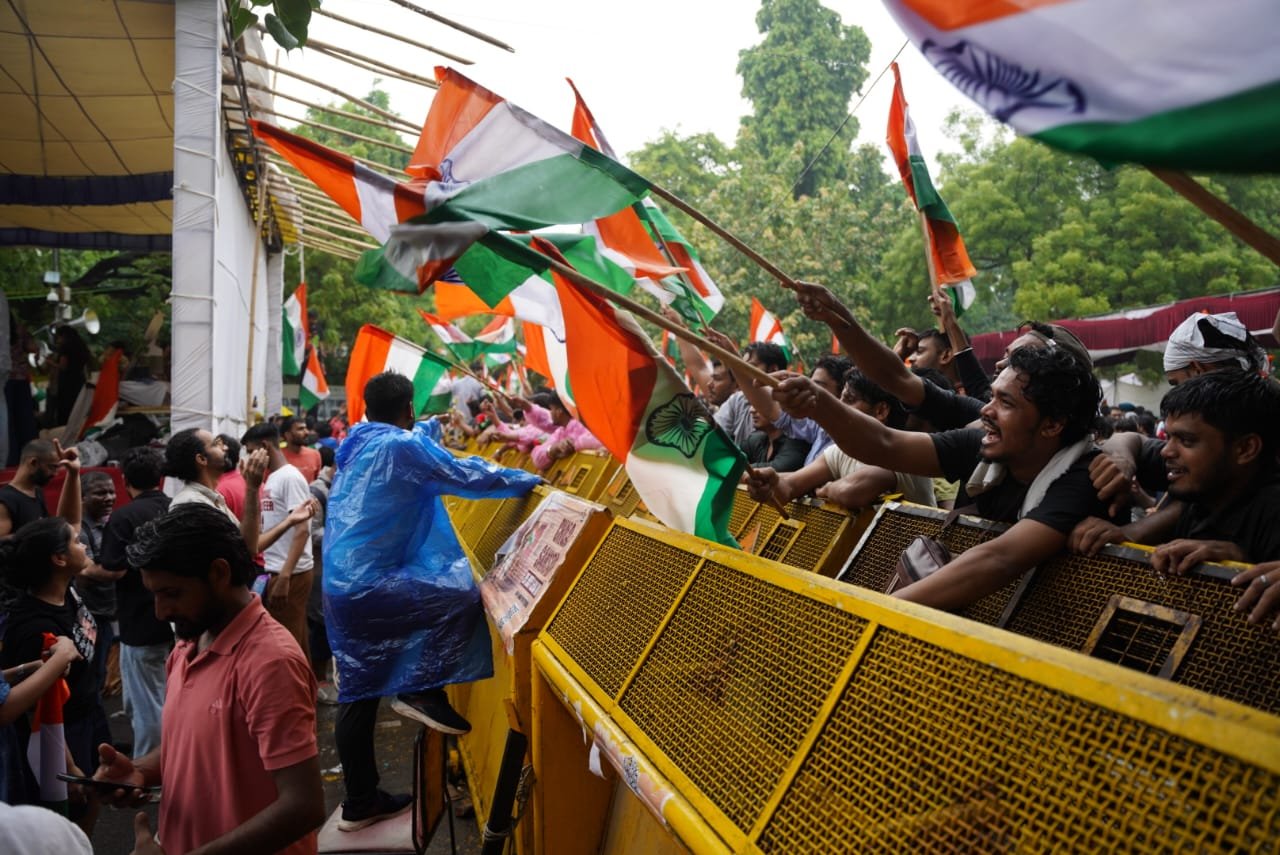
On Sunday, the leaders of India’s opposition rode in open vehicles from Mallikarjun Kharge’s residence to Ramlila Maidan in Delhi. Sonia and Rahul Gandhi, Akhilesh Yadav and Mamata Banerjee were among them. The ground is one of the three the Centre now permits for protests, since it de-notified Jantar Mantar. They had come to demand the resignation of the Chief Election Commissioner, Gyanesh Kumar. Rahul Gandhi told the crowd that Narendra Modi would be next, and Kharge said the agitation would last until Kumar goes, according to live reports from the day.
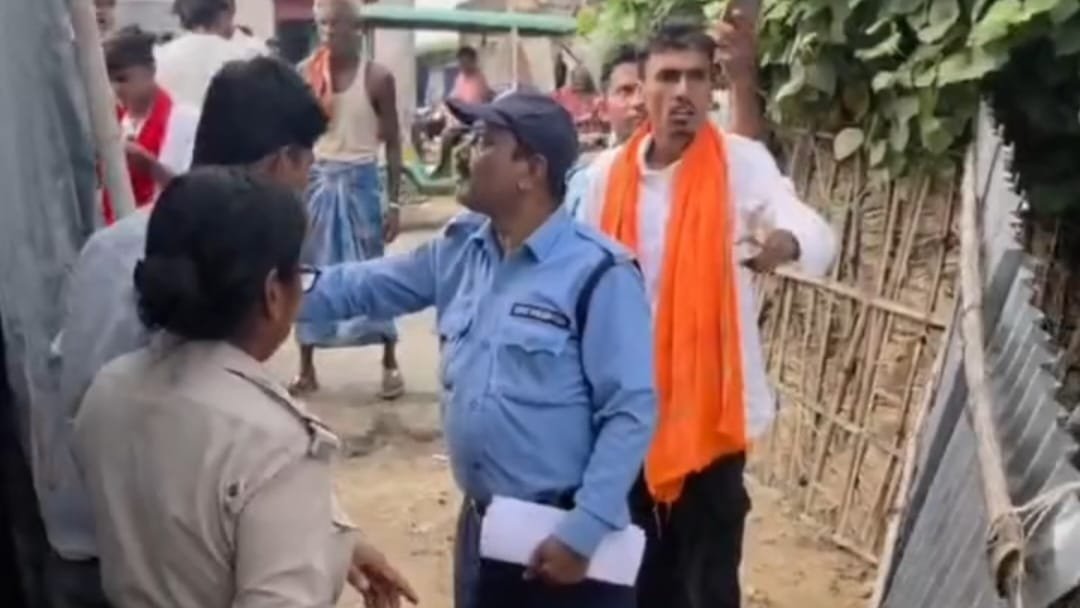
Hitherto, arguments about Indian democracy turned on how elections were run. The dispute now concerns the roll that precedes them. The Special Intensive Revision (SIR) began in Bihar last year and has reached most of the country. Residents must produce documents to stay on the register. The Election Commission says the exercise removes duplicate and ineligible entries. The BJP says it removes “infiltrators,” a term that mostly refers to Muslims from Bangladesh. Opposition parties say the burden of proof has shifted onto poor and minority voters, and that legitimate voters are being struck off.
I think the term for what has emerged since 2014 is Herrenvolk democracy. The sociologist Pierre van den Berghe coined it in 1967 for apartheid South Africa and the Jim Crow South, where elections and civil rights were real but applied only inside the ruling group. Outsiders lived under other rules, and the institutions that protected the dominant group also disciplined them. Hindu nationalism is ethno-religious rather than biologically racial, so the fit is imperfect. Insofar as the term describes a state that ascribes membership in the sovereign people and polices it, however, it applies.
V-Dem’s 2026 report keeps India in its “electoral autocracy” category and ranks it 105th of 179 countries on its liberal democracy index. Freedom House gives India 62 out of 100 and rates it Partly Free. Both measure how open the system is overall. Neither says who it is open to.
In 2014, 2019 and 2024, the BJP won 825 Lok Sabha seats, and none went to a Muslim. The current house has 24 Muslim members, 4.4 percent of 543 seats, while Muslims are over 15 percent of the population. The party put up one Muslim candidate among about 430 last year, and he lost. A governing coalition has been assembled with no Muslim member in its largest party.
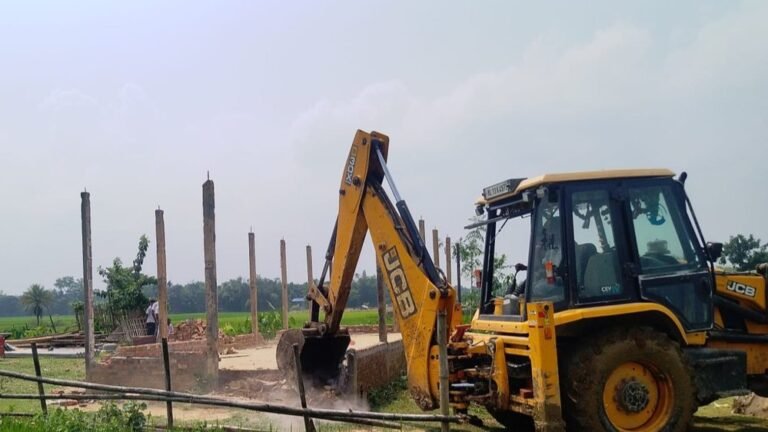
The Citizenship Amendment Act of 2019 fast-tracks citizenship for non-Muslim migrants from three neighbouring countries. Its rules were notified in March 2024, weeks before the general election. Critics have long said that, read with an Assam-style citizens’ register, it gives non-Muslims who fail a documentary test a route back in and Muslims none. The SIR applies the same logic of proof to the electoral roll. Late in 2025, an NGO petitioned the Supreme Court because Hindu, Sikh, Buddhist, Jain, Christian and Parsi refugees from Bangladesh feared deletion while their citizenship applications waited. Their worry shows who the safety valve was built for.
In West Bengal, the revision removed about 9 million names, around 12 percent of the electorate, and the BJP won the state for the first time. One analysis of the deletions found that Muslims, about 27 percent of the population, made up roughly 34 percent of those removed. An Al Jazeera opinion piece treats the deletions as decisive for the result. The Commission rejects any bias, and the causal claim has not been established.
In September, the Indian Express reported that two of the three election commissioners had objected to key decisions on the revision. The Commission said these were differing views and not formal objections. On 2 October police detained hundreds of protesters in Lucknow, and demonstrators were also held in Delhi. On 4 October, the Supreme Court asked the Commission for explanations. The Commission has since told officials to identify voters left off the rolls and ease their re-enrolment, though it is unclear whether they will be restored in time to vote. Commission data indicate that rolls in some regions could shrink by as much as 30 percent.
Congress describes the SIR as theft of votes from poor, Dalit and backward voters. That grievance covers everyone, and the Bengal figures show a more specific pattern: Muslims are over-represented among those deleted but make up a minority of them. A Herrenvolk system does not have to delete only Muslims. It needs Muslims to serve as the standard suspect, so that every voter must prove innocence and the burden falls hardest on those the state is already inclined to doubt.
The handling of protest offers mixed evidence. De-notifying Jantar Mantar, designating sites, deploying police in numbers and detaining marchers all ration dissent. Rahul Gandhi alleged on Sunday that shops in Connaught Place were shut by force as the march passed, which has not been verified. Against this, the police gave permission for the rally, and the opposition filled the ground. A democracy of this kind can tolerate loud protest while keeping control of the register.
Kashmir has lived under a version of this since August 2019, when Article 370 was revoked, and the state was reduced to a union territory.
Whether the label holds will depend on things that can be counted: who gets a remedy when the list is wrong, who is presumed an intruder, and whether any government can win without a Muslim voice in its ranks. More state elections are due early next year, and the rolls for those will test the claim.
Muzaffar Ahmad is a Ph.D. student in the Department of Sociology at the University of Massachusetts Amherst, where he also serves as Co-Chair of the Sociology Graduate Student Association.
The information presented in this article represents the personal viewpoints of the author and does not necessarily reflect the opinions of The Observer Post.