The Supreme Court on Tuesday postponed the hearing on petitions challenging the constitutional validity of the Waqf (Amendment) Act, 2025, to January 21, 2027, and directed all parties to complete their pleadings by December 31, 2026.
A bench comprising Justices MM Sundresh and PB Varale also permitted applicants whose interlocutory applications had earlier been directed to be treated as such to file separate writ petitions within two weeks.
“We permit the applicants who filed interlocutory applications and were directed to be taken in that capacity to file writ petitions within two weeks from today,” the bench said.
The court directed the nodal counsel to compile the judgments relied upon by the petitioners and asked Additional Solicitor General to respond to their written submissions.
Centre Opposes Revisiting Earlier Arrangement
During the hearing, the nodal counsel informed the bench that five lead petitions had been identified earlier, while 135 other petitions had been converted into interlocutory applications. The counsel proposed that all parties submit written arguments, which would then be compiled.

Appearing for the Union government, Solicitor General Tushar Mehta referred to the Supreme Court’s April 17, 2025, order, under which only five lead petitions were selected for consideration to avoid an unmanageable number of cases.
Mehta submitted that the earlier arrangement should not be disturbed.
Supreme Court Had Stayed Key Provisions in September 2025
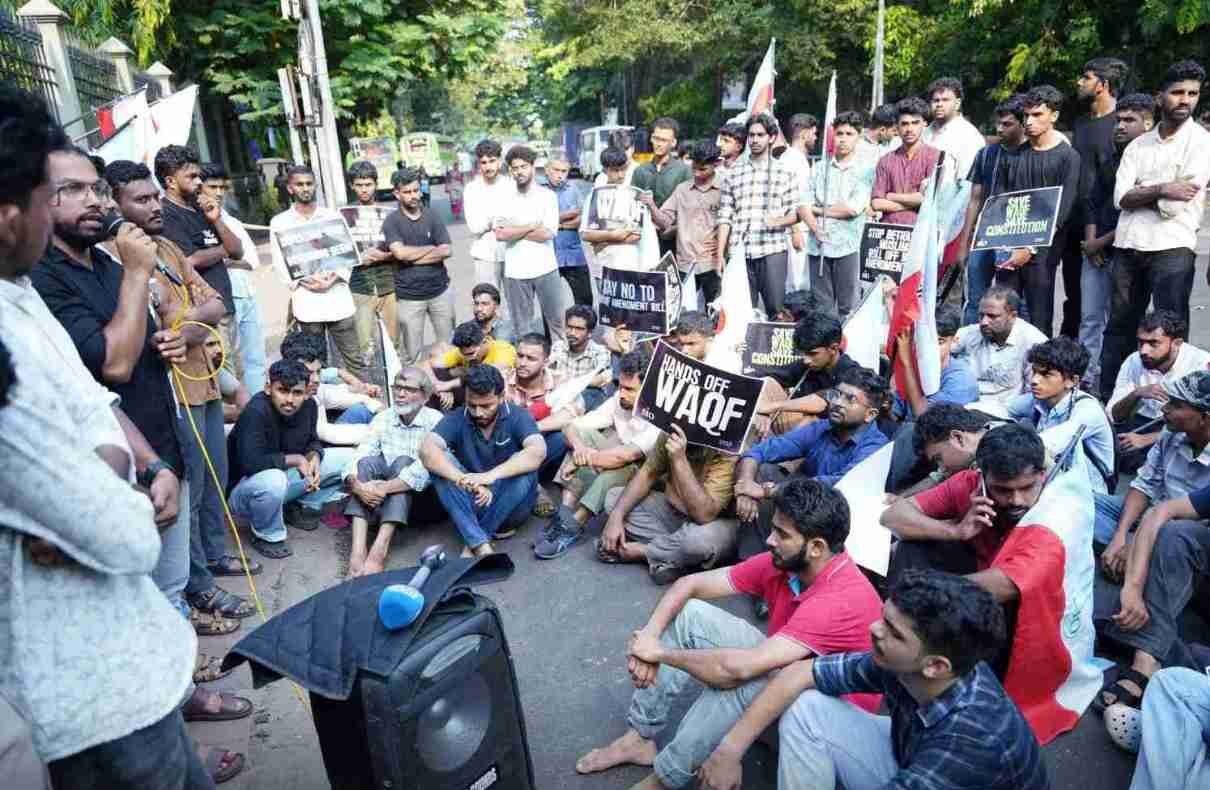
The challenge to the Waqf (Amendment) Act, 2025, followed its passage by both Houses of Parliament amid heated debates. President Droupadi Murmu gave her assent to the legislation in April 2025.
On September 15, 2025, the Supreme Court declined to stay the entire Act but put several provisions on hold while the constitutional challenge remained pending.
Among the provisions stayed was a clause requiring a person to demonstrate that they had been practising Islam for at least five years before creating a Waqf.

The court said the provision would remain stayed until state governments framed rules establishing a mechanism to determine whether a person had practised Islam for the required period.
The bench also stayed a provision stating that a property could not be treated as Waqf property until a designated officer submitted a report.
Court Places Limits on Non-Muslim Representation in Waqf Bodies
In its September 2025 interim order, the Supreme Court also addressed provisions concerning the participation of non-Muslims in Waqf institutions.
The court directed that the Central Waqf Council, which has 20 members, should not have more than four non-Muslim members. It also said state Waqf boards, with 11 members, should not have more than three non-Muslim members.
The bench said the interim directions were intended to protect the interests of parties and balance competing considerations while the constitutional challenge was being heard.

The court did not stay the entire amended law, citing the presumption of constitutionality that applies to legislation.
The matter will now be taken up on January 21, 2027, after the parties complete their pleadings by the end of December.