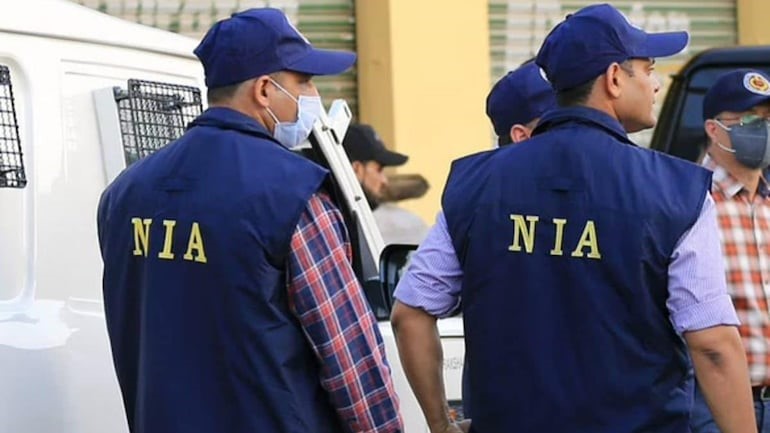
A special NIA court in Visakhapatnam has granted default bail to two people accused in a case linked to alleged online radicalisation, after the statutory investigation period expired without the National Investigation Agency (NIA) filing a charge sheet against them.
Clarion India reports that the agency found no evidence against them. The court record, as presented by the defence, points the same way. The two accused are Shadman Dilkash and Sayeeda Begum, listed as Accused Nos. 4 and 5.
According to Deccan Chronicle, the NIA filed charge sheets against other accused in the case but none against these two. Their lawyer, Abdus Saleem, told the court that the 180-day statutory period for investigation had run out, and that continued detention was therefore not permitted.
The defence petition also contended that no material was available against the two, and that the prosecution had told the court there was no case against them.
After hearing both sides, the court granted default bail on conditions. Each accused must furnish a personal bond of Rs 50,000 with two sureties. Saleem said the order reaffirmed a settled principle: when an investigation is not completed within the prescribed period, an accused person is entitled to default bail.
Default bail is a right under the law, and it does not amount to an acquittal or a finding that the accused are innocent. Their cases remain pending, and the NIA could still file a charge sheet or seek to cancel the bail.
The NIA’s Visakhapatnam court has been hearing a 2025 terror conspiracy case from neighbouring Vizianagaram, in which the agency has charge-sheeted several people under the Unlawful Activities (Prevention) Act and the Bharatiya Nyaya Sanhita for allegedly radicalising youth through social media and preparing them for attacks in Andhra Pradesh, Telangana and elsewhere.
The verdict adds to a pattern that has drawn attention in anti-terror cases in India. Courts have granted bail to accused persons, many of them Muslims, after finding that the evidence produced against them was thin, and the stringent provisions of the Unlawful Activities (Prevention) Act make bail hard to get.
Rights groups say that long pre-trial detention under the law can punish people before any trial begins. Investigators say that radicalisation cases are difficult to prove and that charge sheets are filed when evidence supports them.