Jamiat Ulama-i-Hind’s wing, Jamiat Sadbhavna Manch, has announced plans to organise more than 2,000 ‘Bharat Samvad’ programmes across the country over the next six months to address social prejudice, encourage inter-community engagement and promote constitutional values.
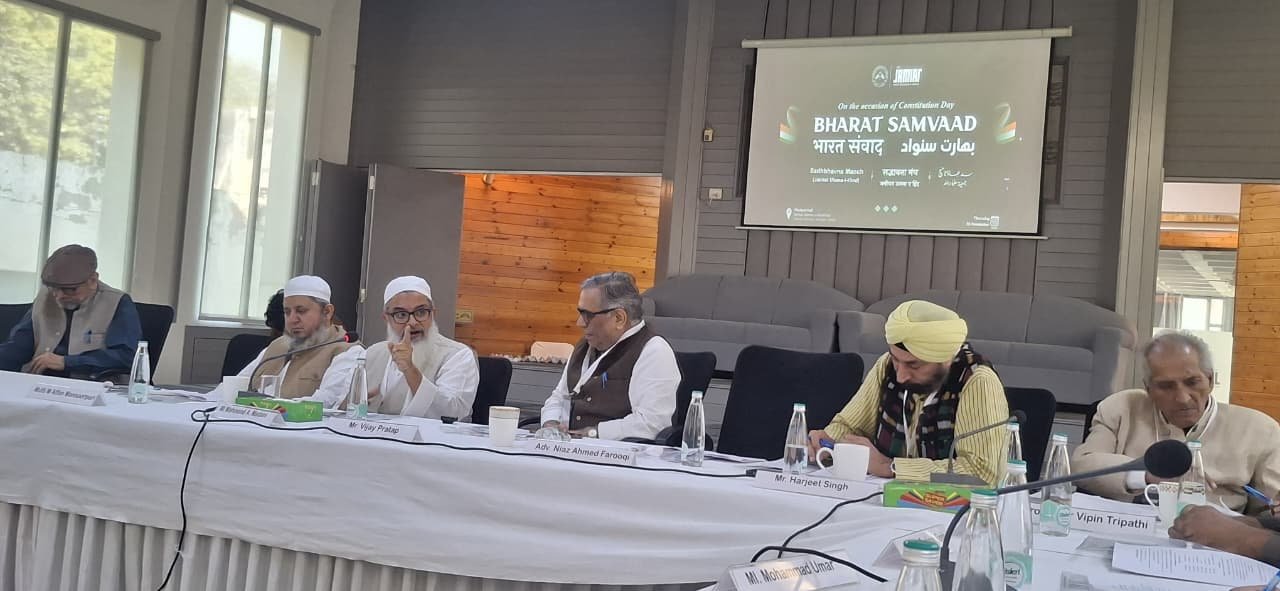
The announcement was made at a Bharat Samvad programme organised by the Manch at the central office of Jamiat Ulama-i-Hind in New Delhi on November 26, Constitution Day. The gathering brought together intellectuals, social leaders, political representatives and environmental activists to discuss communalism, constitutional values, social relations and environmental protection.
Addressing the gathering, Jamiat Ulama-i-Hind president Maulana Mahmood Asad Madani said pollution had affected not only the environment but also people’s thoughts and attitudes.
“Pollution is not limited to water and air; intellectual pollution, which has also entered people’s hearts and minds, is even more serious. We must work to eliminate every form of pollution,” he said.
Madani emphasised the importance of maintaining social relations across religious and community boundaries, particularly during marriages and occasions of grief. He said participation in such occasions was part of a longstanding social tradition and suggested identifying more opportunities for interaction between communities.

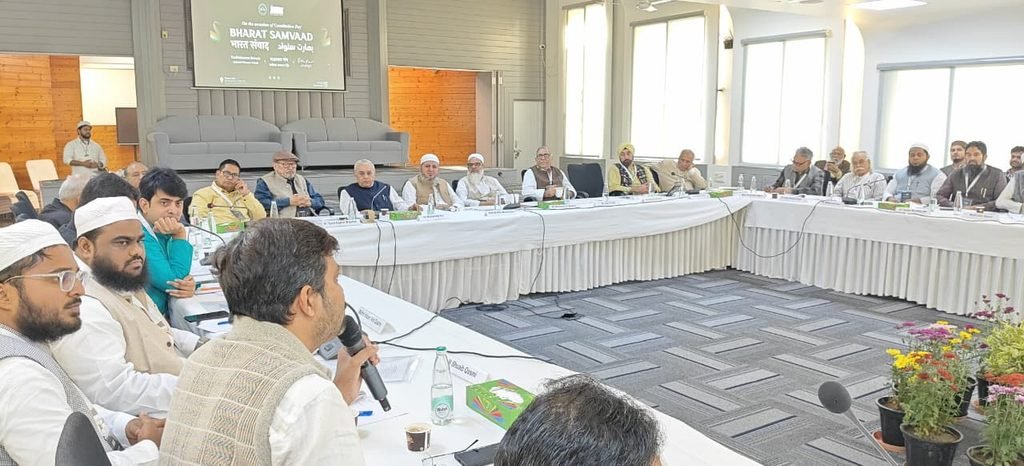
Dr Markandey Rai, chairman of the Indo-Pacific Peace Forum, spoke about the role of spirituality in promoting mutual respect and tolerance. He proposed creating a common platform of religious leaders to advance peace at the global level.
Maulana Mufti Syed Muhammad Affan Mansoorpuri, president of Jamiat Ulama Uttar Pradesh, said dialogue was essential in a multi-religious society and should include people with differing perspectives. He also highlighted the role of young people and social media in spreading positive messages.
Socialist leader Vijay Pratap described social and political transformation as a long process requiring sustained efforts and patience. Expressing concern over the influence of Hindutva politics on the identity of Hinduism, he said followers of all religions had a responsibility to address the situation. He also called on Indian Muslims to present the Quran’s message to wider society.
Former IIT Delhi professor Vipin Tripathi said ordinary people often bore the consequences of governments exercising power through force. He said efforts to promote social harmony required the participation of religious leaders, workers, farmers and other sections of society.
Dr Ashok Bharti, president of NAKDOR, identified fear and greed as obstacles to dialogue and called for open discussions and greater inter-caste engagement. Historian Professor Kumar Jha similarly emphasised the importance of engaging with people holding opposing views to develop a better understanding of social differences.
Interfaith dialogue leader Dr A K Merchant said education and non-violence were important in countering hatred, while writer Professor Syed Asghar Wajahat suggested organising cultural programmes and movements in Hindi across northern India.
Other speakers discussed the need to take dialogue beyond conference halls and into communities. Social activist Dr Chandrakanta K Mathur called for greater engagement with disadvantaged sections, while activist Harsh Shikara proposed village-level Sadbhavna programmes inspired by Mahatma Gandhi’s Satyagraha.
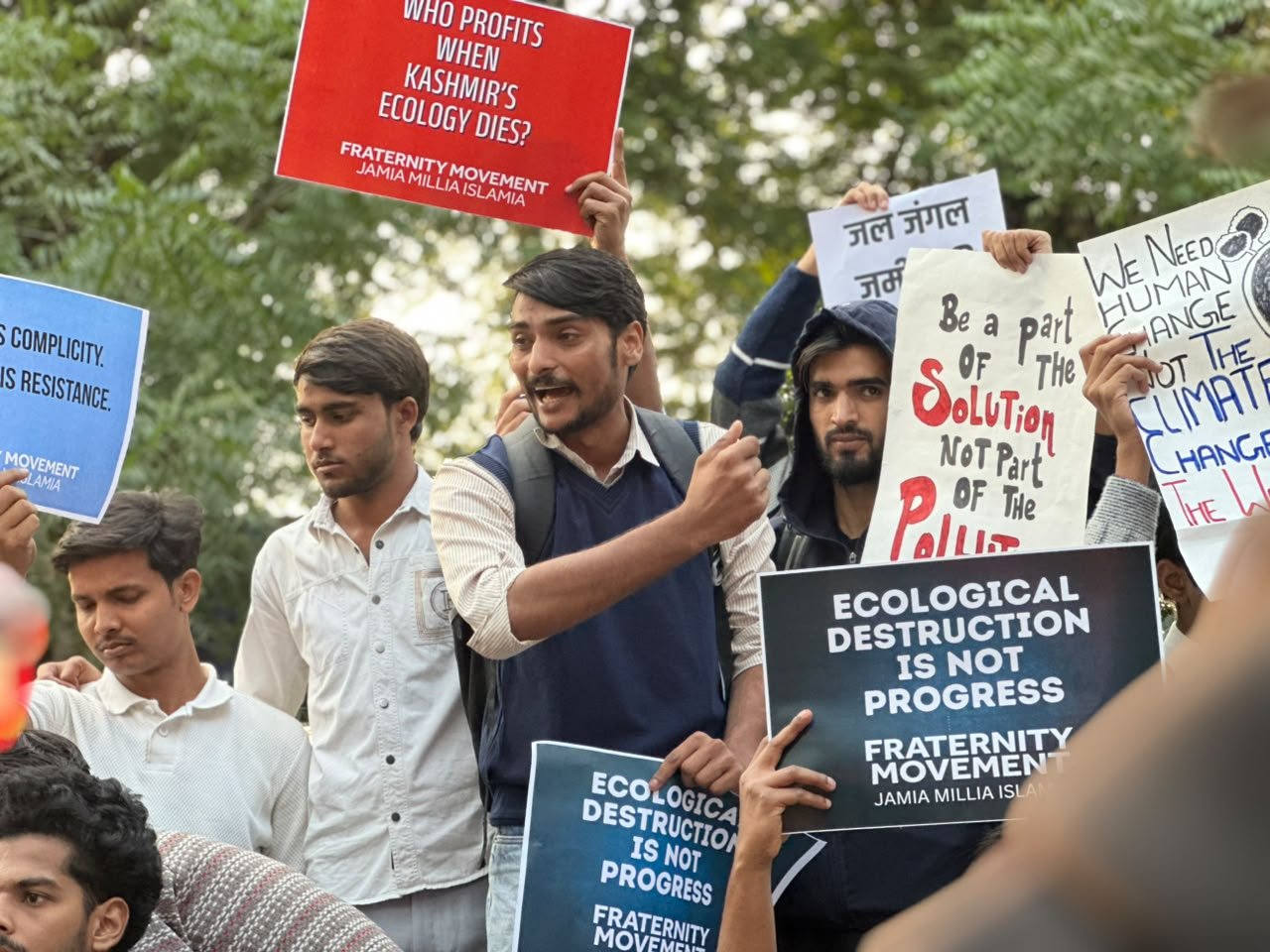
Environmental protection and youth participation
Environmental activist Licypriya Kangujam, founder of The Child Movement, highlighted the impact of climate change on children and future generations. She called for greater public awareness, workshops and collective action to protect the environment.
Social activist Harjeet Singh said the environmental crisis was linked not only to individual lifestyles but also to the development model. He stressed the government’s responsibility to provide appropriate infrastructure and called for greater opportunities for young people to take on leadership roles.
Social activist Jain Jigyasu spoke about environmental justice and the effects of excessive chemical fertiliser use and exploitation of natural resources. He also stressed the importance of intergenerational dialogue and conversations based on mutual respect.

Other speakers included journalist Aditya Menon, assistant professor Khushboo Akhtar, Harminder Pal, Anupam, Sudeep Jain, Dr Murtaza Khan, Nishabala Tyagi, Musaddiq Riyaz of the United Religions Initiative, Jayant Jigyasu and Jigyasa Gulati.
The programme was conducted by Maulana Mufti Mehdi Hasan Aini, convenor of Jamiat Sadbhavna Manch. The secretary of Jamiat Ulama-i-Hind delivered the vote of thanks.
Social leader Dr John Dayal, Jamiat Ulama-i-Hind’s Nazim-e-Tanzeem Maulana Mufti Zakir Hussain Qasmi, Maulana Umar Qasmi, Owais Sultan, Dr Shabbir Mushtaq, Maulana Hussain Ahmad Madani and other office-bearers and activists were also present.
The Manch said the proposed 2,000 programmes would seek to extend the discussions and initiatives to communities across the country over the next six months.