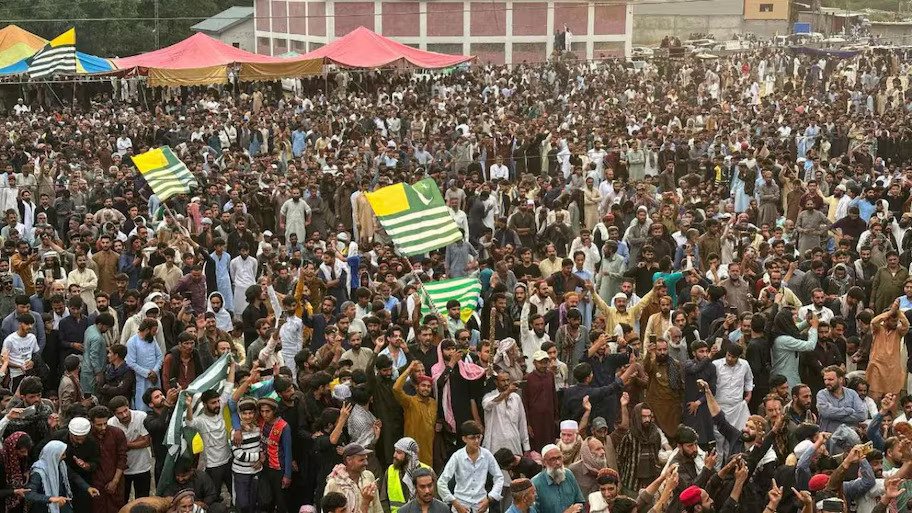
Amnesty International has called on Pakistan to immediately restore internet and mobile services in Pakistan-administered Kashmir and launch a prompt, independent and transparent investigation into reports that security forces used lethal force against protesters during the ongoing regional elections.
In a statement issued after violence in Rawalakot during the first phase of polling, Isabelle Lassee, Amnesty International’s Acting Regional Director for South Asia, said reports emerging from the region were consistent with Pakistan’s long record of using unlawful force against protesters.
“The disturbing reports emerging from Rawalakot are consistent with the Pakistani authorities’ long history of unlawful violence against protesters in Jammu and Kashmir,” Lassee said.
She said the continuing suspension of internet and mobile services was preventing independent verification of events on the ground and urged authorities to restore communications and allow journalists and independent observers access to the region.
“We urge the Pakistani authorities to restore all communications access and allow media and independent observers into the area,” she said.
Amnesty also criticised Pakistan’s decision to ban the Jammu and Kashmir Joint Awami Action Committee (JAAC), the group leading the protests, describing the move as unlawful.
The organisation said anti-terrorism laws should not be used to suppress dissent or justify violence against protesters.
“The ban cannot be used as an excuse to mete out deadly violence against protesters,” Lassee added.
The JAAC was designated a “proscribed organisation” under the Azad Jammu and Kashmir Anti-Terrorism Act on June 5, 2026.
Deadly unrest during elections
The protests have coincided with staggered elections for the Legislative Assembly in Pakistan-administered Kashmir.
Violence erupted in Rawalakot on July 27, the first day of polling, while another clash in Kotli reportedly left a political worker dead.
According to the JAAC, 19 people were killed and dozens injured after security forces opened fire on protesters in Rawalakot. While media outlets have confirmed casualties, they have not independently verified the death toll. Police have said two security personnel were injured.
Amnesty noted that media reports indicate at least 40 people have been killed in the lead-up to the elections, including 34 protesters and six police and paramilitary personnel.
However, residents and local estimates place the overall death toll at more than 50, while protest leaders claim over 60 civilians have died in less than two months. Authorities have not released official casualty figures.
Communications blackout hampers verification
Mobile internet services have remained suspended across Pakistan-administered Kashmir since June 5, according to internet monitoring organisation NetBlocks.
Fact-checking organisation iVerify Pakistan has also reported that telecommunications remain severely restricted, making independent reporting difficult and contributing to the spread of misinformation surrounding the unrest.
Amid the blackout, several viral videos and images have circulated online, with some later debunked as AI-generated or recycled footage, while other visuals have been verified as authentic.
Why are protests taking place?
The protests are led by the Jammu and Kashmir Joint Awami Action Committee (JAAC), a coalition of traders, lawyers, activists and civil society groups formed in 2023.
The immediate trigger for the latest unrest is opposition to 12 reserved seats in the Azad Jammu and Kashmir Legislative Assembly allocated to refugees from Indian-administered Kashmir who now live elsewhere in Pakistan.
The JAAC argues that the arrangement enables Islamabad to influence the formation of governments in the region and diverts development resources away from local residents. Pakistan’s government rejects those allegations.
Beyond the disputed seats, the protest movement is demanding greater political autonomy, electoral reforms, economic concessions, investigations into alleged corruption, improved public services and infrastructure, and greater local representation.
The protests first emerged over rising electricity prices and shortages of subsidised wheat before expanding into a broader political movement.
Elections amid political crisis
Pakistan-administered Kashmir is witnessing one of its most serious political crises in recent years after weeks of demonstrations forced authorities to stagger the regional elections.
The second phase of polling was held on August 2 amid boycott calls by activists and shutdowns in Muzaffarabad and several other towns. The final phase is scheduled for August 10.
Road blockades, repeated strikes and business closures have disrupted transport, healthcare, schools and tourism across the region.
India criticises Pakistan
India has also criticised Pakistan over the crackdown.
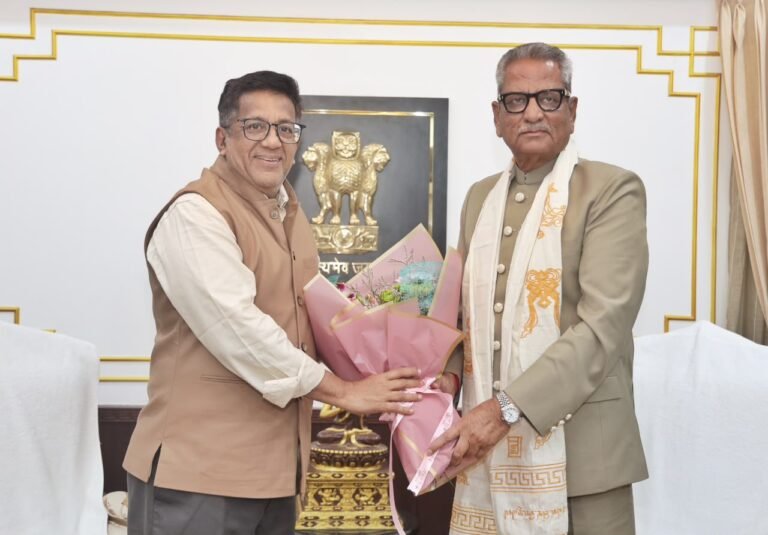
External Affairs Ministry spokesperson Randhir Jaiswal accused Islamabad of using “ruthless force” against peaceful protesters and urged the international community to hold Pakistan accountable.
“This crackdown has resulted in the tragic death of over 40 civilians and serious injuries to many,” Jaiswal said.
India also objected to international media references to “Pakistani Kashmir”, reiterating its position that the territory is “Pakistan-occupied Kashmir” and forms an integral part of India.