





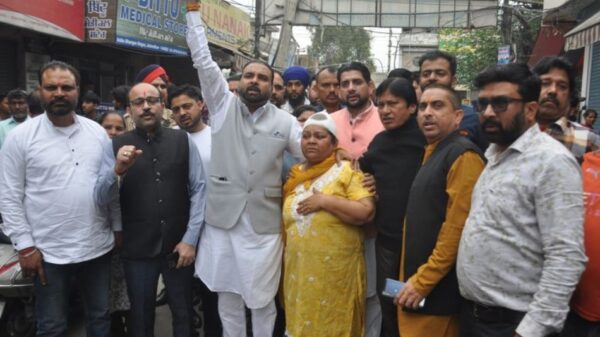



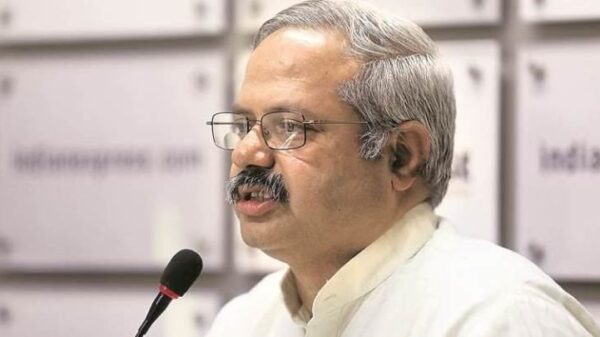





































CPI general secretary D. Raja has sharply criticised the Central government’s new labour codes, calling them a “direct assault on hard-won labour rights.” Speaking at the Centenary Celebration of the CPI in KGF, he said the party will raise the issue strongly in the winter session of Parliament. “Secular parties have already expressed serious objections. If the government does not withdraw these anti-worker laws, the CPI will launch protests,” he said.
Raja stressed that the CPI has always stood for labour welfare and has never accepted any law that harms the working class. Referring to the Special Intensive Revision (SIR) of voter lists, he said many states, including Karnataka, Kerala, Tamil Nadu, West Bengal and Telangan, have opposed it because ordinary people are struggling with the documentation process. “Voting is the right of every citizen. Our Constitution protects this right, and any move that makes it difficult must be questioned,” he said.
On being asked about demands for a return to the old ballot system, Raja said the issue had been raised in Bihar and that the Election Commission must clarify concerns regarding EVMs.
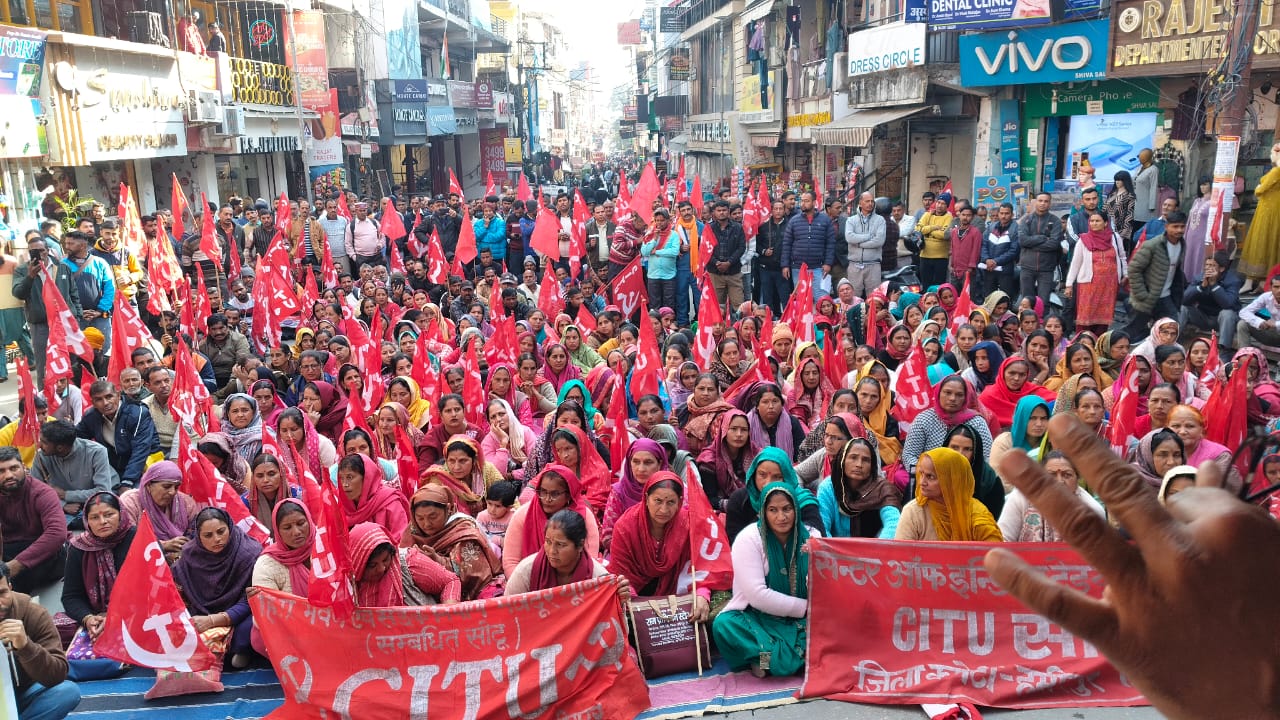
His remarks come at a time when India is witnessing widespread protests against the new labour codes. The government has merged 29 labour laws into four new codes, saying this will simplify rules. But trade unions and workers argue that the changes weaken job security and reduce workers’ rights.
One of the most controversial provisions is the increase in the threshold for layoffs and company closures. Under the new rules, companies with fewer than 300 employees can lay off workers without government permission. Unions say this gives employers an “open licence for hire and fire” and will severely affect job security.
Workers in the electricity sector have also joined the protests amid concerns over growing privatisation in power distribution. Engineers and power workers fear job losses, reduced wages and weakened public accountability.
The new rules also restrict the right to strike. Workers must now give a 14-day notice before going on strike, and if half the workforce stays absent, it will automatically be treated as a strike. Unions say these provisions make it nearly impossible for workers to protest.
Supporters of the reforms argue that loosening strict regulations will encourage companies to grow and create more jobs. They also point out that higher basic salaries under revised provident fund rules will improve retirement benefits, though workers worry this will reduce their take-home pay.
Protests have spread across Kerala, Odisha, Tamil Nadu, West Bengal, Delhi, Bihar and Assam. Trade unions are demanding a full rollback of the labour codes, removal of the 300-worker layoff limit, a stop to privatisation, and restoration of easier strike rights.
“This is a battle to protect workers’ livelihoods and the future of India’s labour force,” said one union leader at a recent rally.