
































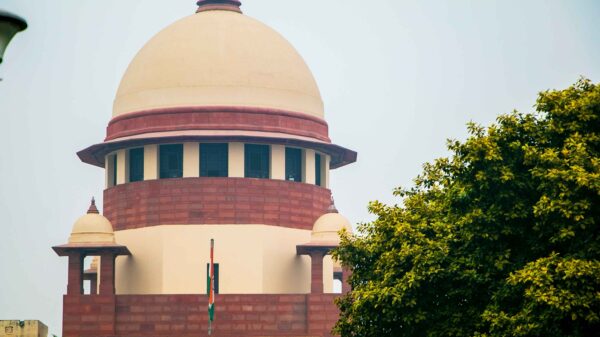








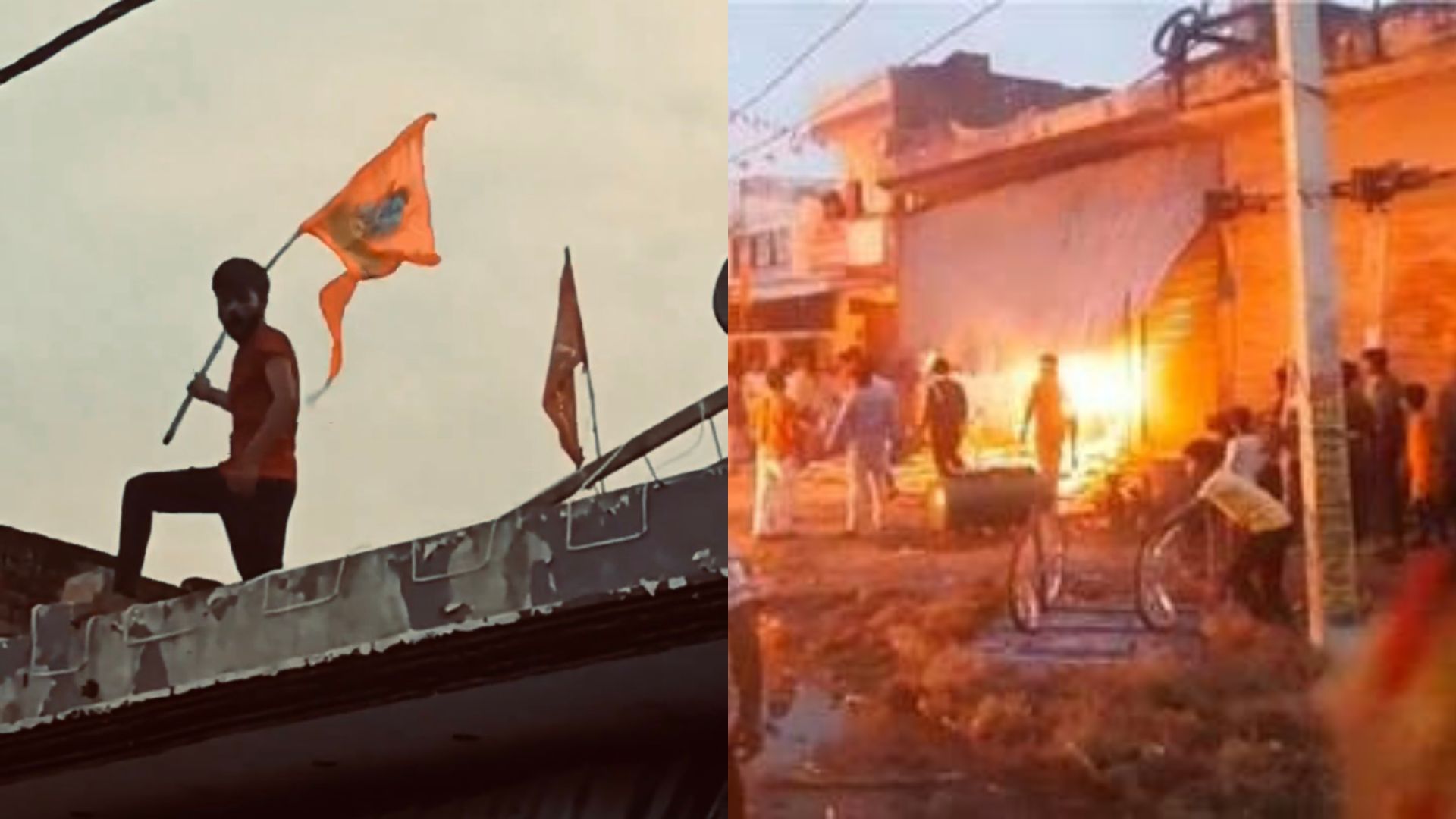
A court in Bahraich on Thursday sentenced Sarfaraz, the main accused in the October 2024 violence, to death, while nine other people involved received life imprisonment. Three accused were acquitted due to lack of evidence. The violence had erupted during a Durga Puja idol immersion procession when Ram Gopal Mishra, a young man from the area, was shot dead after allegedly trying to replace a flag on a house belonging to a minority community member.
Additional Sessions Judge Pawan Kumar Sharma handed down the sentences, noting that the attack was premeditated, extremely cruel, and intended to create fear and assert dominance. The court described the murder as a lifelong tragedy for Mishra’s family, especially since his wife had married him just four months earlier. The judge also observed that the violence caused widespread panic, disrupted essential services, and created a near-curfew situation in the area.
Special DGC Criminal Pramod Kumar Singh told reporters that the police had built a strong case, presenting eight witnesses and conducting ballistic tests to confirm that Sarfaraz had fired the fatal shots. “The killing was cold-blooded, sadistic, and shocking to society,” Singh said. He added that the court emphasized the death penalty should be applied only in the rarest of rare cases and must balance the rights of victims with society’s conscience.
The other nine convicts, including Abdul Hameed, Faheem, Saif Ali, Javed Khan, Zeeshan alias Raja, Nankau, Maruf Ali, Shoaib Khan, and Talib alias Sablu, were sentenced to life imprisonment for murder, rioting, and armed violence. The court noted some of them were young and had acted without provocation, leaving room for potential reformation.
The Bahraich incident had far-reaching effects, with rioting erupting the day after Mishra’s killing, vehicles and an automobile showroom being torched, a hospital vandalized, and internet services suspended for several days. Authorities had suspended several police officers for failing to control the situation.
The prosecution highlighted the brutality of the attack, noting that Mishra had sustained multiple gunshot wounds, severe blunt-force injuries, and signs of torture. They argued the act was intended to terrorize society and assert religious dominance, urging the maximum penalty to deter similar crimes.