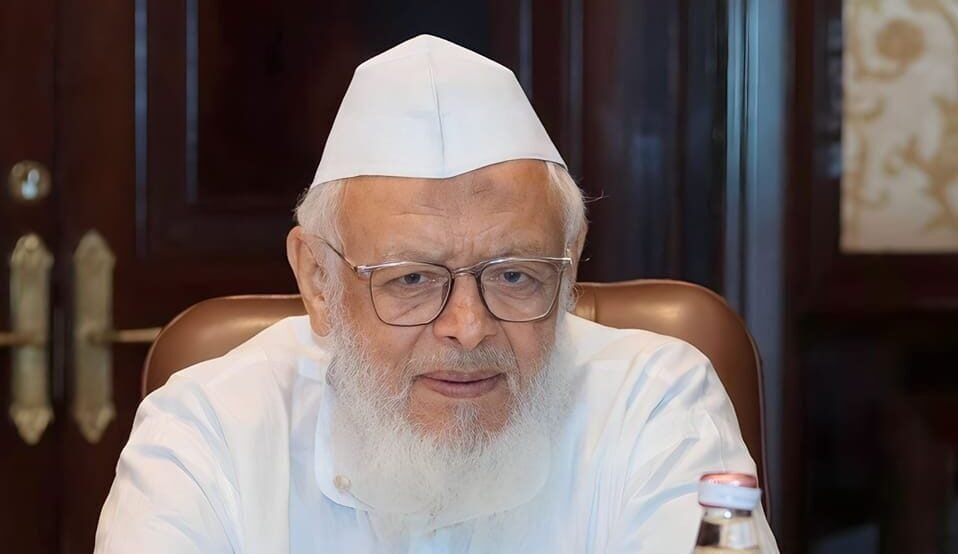
Jamiat Ulama-i-Hind president Arshad Madani has criticised the demolition of the historic mosque inside the Saharanpur Collectorate, questioning whether constitutional and legal protections are being applied equally to all religious communities.
Madani said the demolition raises wider concerns about the supremacy of the Constitution, the rule of law, religious freedom, equality of citizens and the impartiality of the state.
Questions Equal Application of Law
Madani alleged that bulldozers were increasingly being used as an instrument of “revenge, prejudice, and hatred” rather than justice.
He said the issue was not limited to the mosque and questioned whether similar action was taken against religious structures belonging to other communities that had stood for decades on government land, roads or public spaces.
“If illegal occupation or encroachment is the criterion for taking action, then the same standard must be applied equally to every religion and every section of society,” Madani said.

Cites Waqf Registration and Old Records
Madani said the mosque was registered with the Waqf Board under Registration No. 451 and that old land records contained the names of Yaqub Khan and Wahid Khan.
He also said the mosque committee had produced documents dating back to 1911, along with municipal records and old revenue entries, before the court. According to Madani, the committee maintained that the mosque existed before the present Collectorate building.
He questioned whether sufficient consideration had been given to these historical and legal documents before the demolition.
Madani also referred to the Places of Worship Act, 1991, and provisions in the new Waqf law relating to “Waqf by User”.
‘We Are Only Asking for Equal Justice’
Madani said India belongs equally to people of all religions and that the Constitution does not create first-class and second-class citizens.
“India does not belong to any one religion or community. Hindus, Muslims, Sikhs, Christians, and followers of all religions share this country as their common homeland,” he said.
“We are not seeking any special concession; we are only asking for equal justice.”
Madani questioned why the same legal standards should not apply to every religious place and every citizen.
“If the Constitution and the law are meant for everyone, then their protection and enforcement must also be equal for all,” he said.