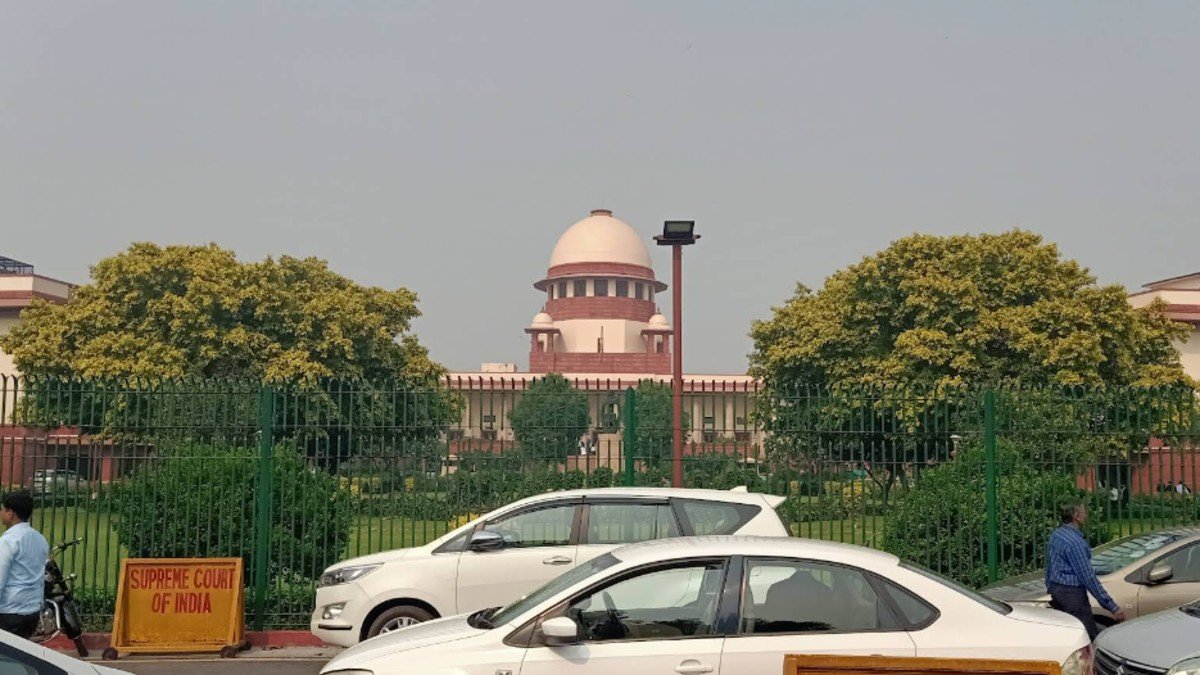
The Supreme Court of India on Monday strongly criticised courts in Odisha for imposing bail conditions that required accused persons from Dalit and Adivasi communities to clean police stations, calling such directions “obnoxious” and unconstitutional.
Taking suo motu cognisance of reports, a bench led by Chief Justice of India Surya Kant and Justice Joymalya Bagchi said the conditions were degrading and reflected a disturbing caste bias within the judicial system.
“Colonial Mindset, Violation of Human Dignity”
The court expressed strong disapproval of the practice, observing that such bail conditions violate basic human rights and undermine the dignity of individuals.
“We are deeply disappointed and disheartened… Such conditions are onerous, degrading and humiliating, and ex-facie violative of human rights,” the bench said.
It added that imposing such conditions suggests a presumption of guilt, which is not permissible under law.

“These directions do not advance justice. Instead, they strike at the dignity of the accused,” the court observed.
Bail Conditions Declared “Null and Void”
The apex court declared all such bail conditions “null and void” and directed that no court across the country should impose similar conditions in the future.
“We are of the considered view that no other state judiciary should impose such caste-coloured and oppressive conditions,” the bench said, warning that such practices could create serious social tension.
The court also ordered that its ruling be circulated to all High Courts to ensure uniform compliance.
Concerns Over Caste Bias in Judiciary
The court noted that the conditions appeared to disproportionately target individuals from marginalised communities, raising serious concerns about systemic bias.

“There seems to be some force in the reportage that no such conditions are imposed when the accused belong to privileged sections,” the bench said.
Even if imposed without intent, the court said, the nature of these conditions was “abhorrent, cruel and unknown to law,” and could damage the credibility of the judiciary.
Reference to Constitutional Values
Emphasising constitutional principles, the court referred to provisions like Article 14 (right to equality), Article 16 (equal opportunity), and Article 17, which abolishes untouchability.
“A judiciary is entrusted with safeguarding these guarantees and must protect the most vulnerable,” the bench said.
It added that over the years, courts have strengthened equality as a fundamental right, and such practices go against that legacy.

Background of the Case
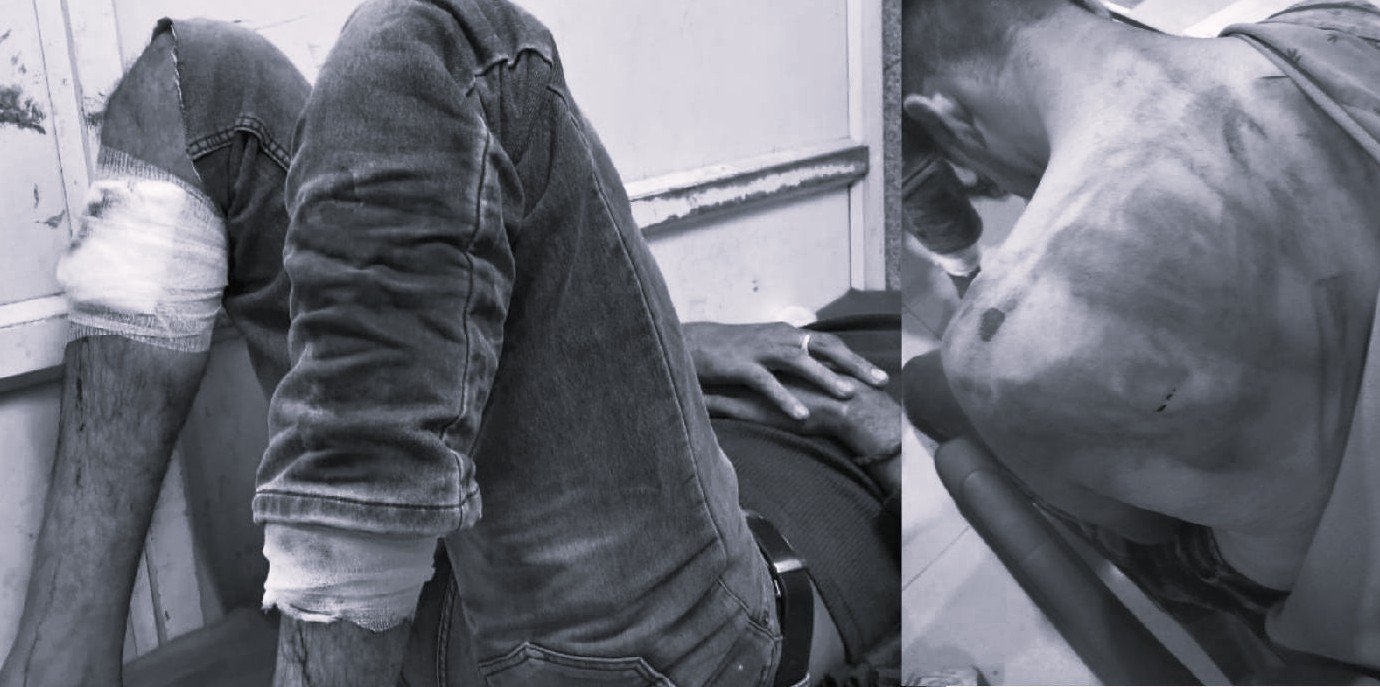
The case arose after reports highlighted that courts in Odisha had directed several accused—mostly from Dalit and Adivasi communities—to clean police station premises as a bail condition.
According to reports, at least eight such orders were issued between May 2025 and January 2026, including one by the Orissa High Court.
One such order required an accused to clean a police station every morning for two months.
Most of the cases were linked to protests against mining activities, and the accused included members of vulnerable tribal and Dalit groups.
Court Warns Against Future Violations
During the hearing, the bench also addressed Odisha’s Advocate General Pitambar Acharya, expressing concern that such practices were bringing disrepute to the judiciary.

“Directing an accused to clean a police station for two months should not be a condition imposed by courts in 2026,” the Chief Justice remarked.