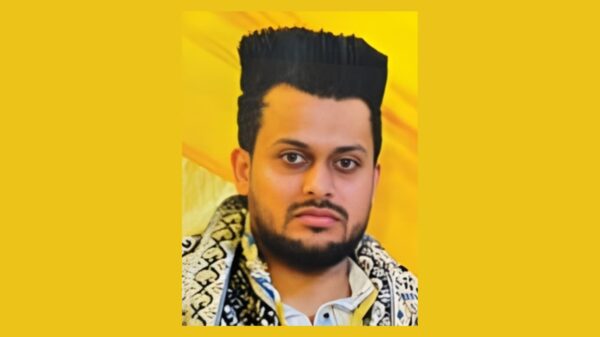




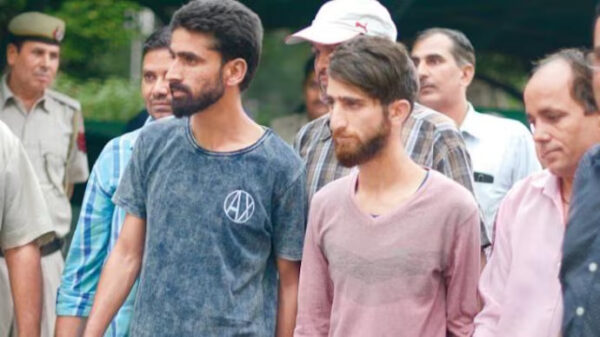
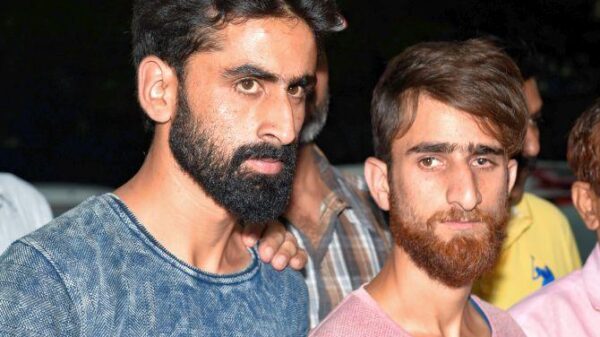
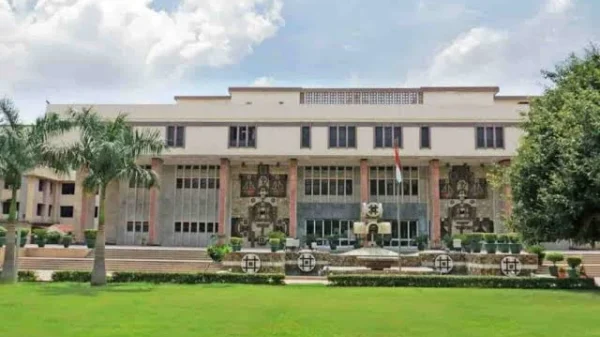

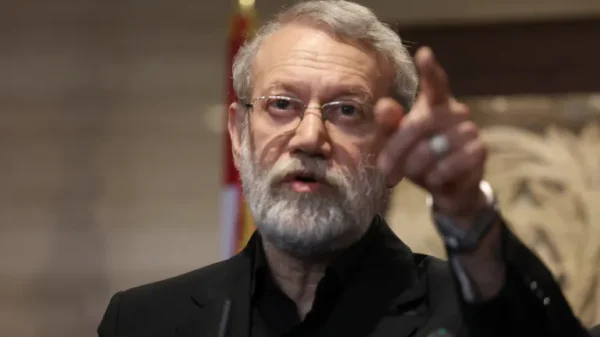


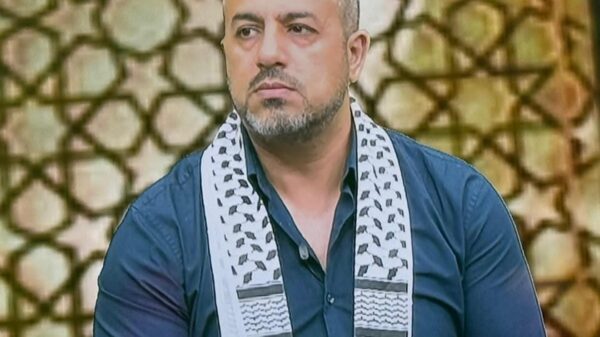























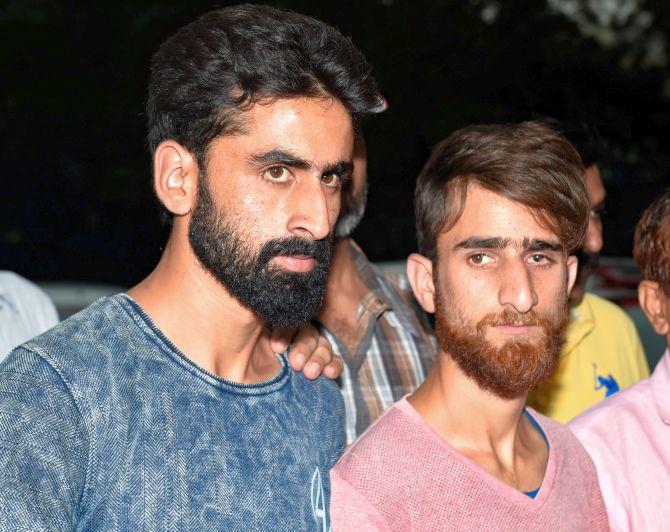
The Delhi court on Thursday acquitted two Kashmiri men accused under the Unlawful Activities (Prevention) Act (UAPA) and the Arms Act, highlighting serious doubts over the manner in which weapons and ammunition were allegedly recovered in 2018. The decision by Additional Sessions Judge Amit Bansal of Patiala House Court raises questions about the prosecution’s evidence and investigative procedures in the high-profile case.
The accused, Jamshed Zahoor Paul and Parvez Rashid, faced charges under Sections 18 and 20 of the UAPA for conspiring to commit terrorist acts and being members of a banned terrorist organization, along with Section 25 of the Arms Act for allegedly possessing illegal firearms and ammunition.
Court Highlights Flaws in Police Investigation
During the trial, the court scrutinized the seizure memo, site plan, and related documents submitted by the Delhi Police Special Cell. The judge noted that the documents bore the FIR number, but the prosecution failed to explain whether the FIR was registered before or after the alleged seizure.
“The inclusion of the FIR number in these documents clearly raises serious doubts,” the court said. “Whether the FIR was filed before the alleged recovery or the number was later added, in both scenarios, the veracity of the prosecution’s claim is questionable.”
Judge Bansal observed that although the alleged recovery occurred in a busy public area where witnesses could have been present, no independent witnesses were called during the seizure operation. The court emphasized that failing to include public witnesses deepens doubts about the authenticity of the weapons and ammunition recovery.
Mobile Phones and Forensic Concerns
The court also questioned the handling of the accused’s mobile phones. Seized on September 7, 2018, the phones were kept in the custody of investigating officers without sealing and were sent for forensic analysis almost two months later.
“This raises serious suspicion of tampering, as there was no explanation for why the devices were not immediately secured in the police property room or sent for analysis without delay,” the court said. The judge ruled that any data, including BBM chat screenshots allegedly recovered from the phones, could not be relied upon as evidence.
Failure to Prove Terror Links
The prosecution had alleged that the accused were involved with ISIS or Daesh and were attempting to procure weapons from Uttar Pradesh for terrorist activities. They claimed the suspects communicated with other ISIS members through BBM chat and received funds to purchase arms.
However, the court noted that the prosecution failed to prove that Paul and Rashid were linked to ISIS-JK or any other terrorist organization. There was no evidence that the accused conspired to commit terrorist acts, acquired weapons, or participated in preparation for such acts anywhere in India.
The judge concluded, “The prosecution has failed to establish that the accused were members of ISIS before September 6, 2018, or that they were involved in planning any terrorist activity. Consequently, they are entitled to acquittal under Sections 18 and 20 of the UAPA.”
Background of the Case
The case dates back to September 6, 2018, when a police raid was conducted near the Jama Masjid bus stop in Delhi following intelligence reports. Authorities alleged that several individuals in Jammu and Kashmir had pledged allegiance to ISIS and were attempting to procure weapons for terrorist purposes. During the raid, Paul and Rashid were reportedly found with pistols and live ammunition.
Two other accused, Asif Nazir Dar, who died before his arrest, and Adil Wani, who was never apprehended, were also named in the FIR. The police claimed that multiple adults and juveniles were involved in the plot.
Throughout the trial, the accused maintained their innocence and requested a full trial. A total of 23 witnesses, including police officers, forensic experts, and sanctioning authorities, were examined.
Supreme Court Intervention
Earlier, Paul had approached the Supreme Court seeking bail, where the top court emphasized the need to expedite trial proceedings. The high court judgment now resolves a major chapter in the case, with the court citing procedural lapses and serious doubts over evidence as the basis for acquittal.