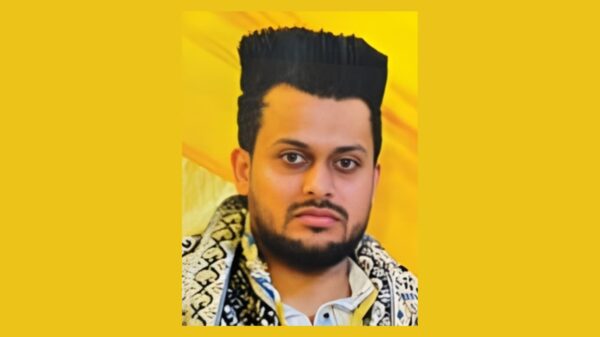



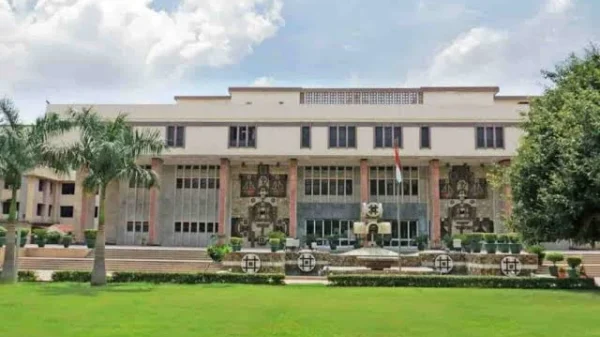

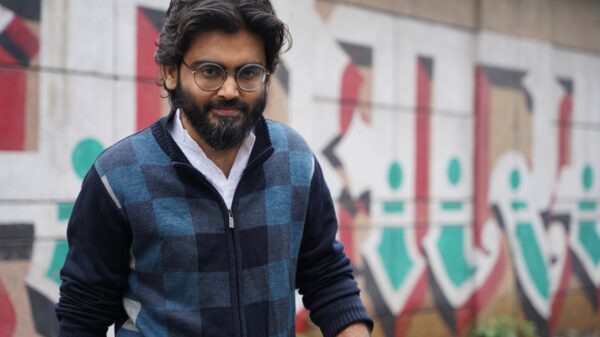
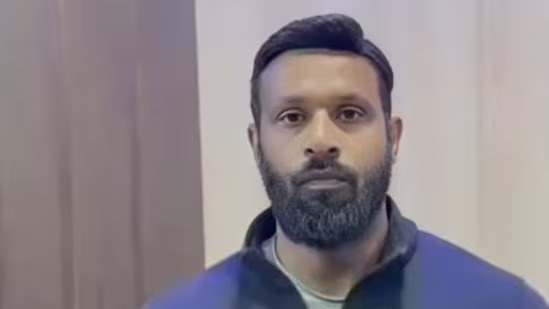
































The Delhi High Court has granted bail to Zamin Adil Bhat and Haris Nisar Langoo, who had been in custody for more than four years under the stringent Unlawful Activities Prevention Act.
Setting aside a trial court order that had earlier denied them relief, the High Court noted that the accused had spent a long period in jail while the trial progressed slowly. The court emphasised that such prolonged detention without conclusion of trial raises serious concerns about personal liberty.
No Direct Link to Terror Activity, Says Court
In its observations, the court pointed out that the allegations against the two were largely based on digital material and their social media activity. It said there was no clear evidence linking them to any actual terrorist act or violence.
The court made an important remark, stating that merely possessing or sharing certain content cannot be treated as involvement in terrorism without strong and direct evidence.
“Without a demonstrable connection to violence or active participation, such material alone cannot justify indefinite incarceration,” the court observed.
Article 21 Rights Highlighted
The bench also underlined that keeping individuals in custody for years without a proper trial violates the fundamental right to personal liberty guaranteed under Article 21 of the Constitution.
It stressed that pre-trial detention cannot become a form of punishment, especially when the prosecution is unable to establish strong grounds.
The court further noted gaps in the prosecution’s case, including weak evidentiary links. It also pointed out that a key witness failed to identify one of the accused during the trial, raising additional doubts.
Bail Granted With Strict Conditions
While granting bail, the High Court imposed strict conditions to ensure that the accused cooperate with the trial and do not interfere with the investigation or witnesses.
The order reflects a cautious approach where the court balanced concerns of national security with the rights of individuals.
APCR Welcomes Decision
Reacting to the judgment, Nadeem Khan from the Association for Protection of Civil Rights said the case highlights a larger issue with prolonged incarceration under strict laws.
“This is not just about two people getting bail. It’s a reminder that you cannot keep someone in jail for years without a proper trial and call it justice. Four years in custody like this is punishment in itself,” he said.
He added, “The Court has rightly said that having certain views or digital content cannot be treated as terrorism without real, solid evidence.”
A Significant Order on Due Process
The ruling is being seen as an important reaffirmation of constitutional safeguards and due process, especially in cases registered under stringent laws like UAPA.
Legal experts say the order once again brings attention to the balance that courts must maintain between national security concerns and the protection of individual freedoms.
Case and Legal Details
The matter relates to appeals and bail applications registered as CRL.A. 406 of 2023 and CRL.A. 408 of 2023 along with connected applications.
Legal representation in the case included advocates Tara Narula and Priya Vats for Haris Nisar Langoo, and advocates Jawahar Raja, Tamanna Pankaj, Sonal Sarda, Aditi Saraswat and Nitai Hinduja for Zamin Adil Bhat.