






























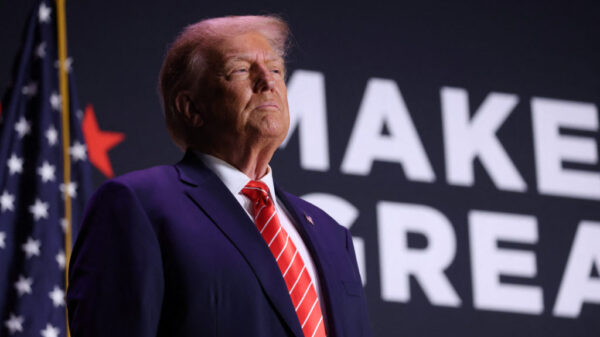













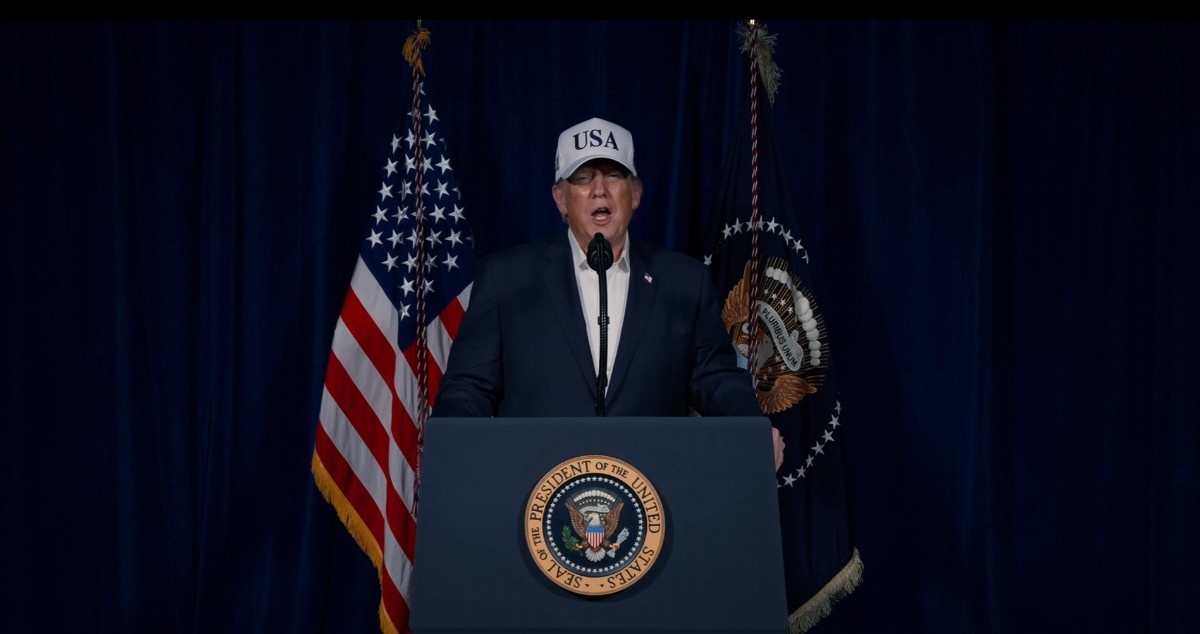
Iran’s state-aligned media has reacted sharply to Donald Trump’s decision to pause planned strikes on Iran’s power infrastructure, portraying the move as a sign of American hesitation rather than diplomacy.
The response comes after Trump announced a five-day halt on attacks targeting Iranian power plants and energy facilities, saying the United States and Iran were engaged in “constructive talks” aimed at resolving ongoing hostilities in the region.
“We have had very good and productive conversations regarding a complete and total resolution,” Trump said, adding that he had instructed authorities to delay military action while discussions continue.
Iranian Media Frames Pause as ‘Defeat’
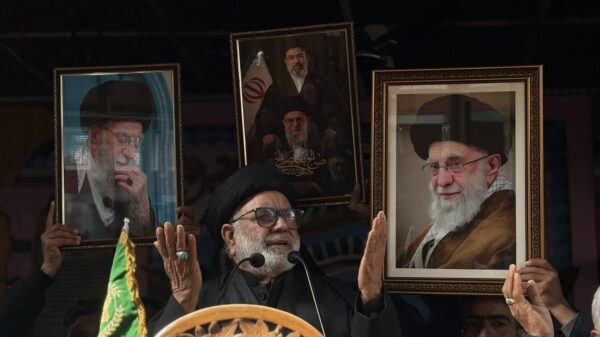
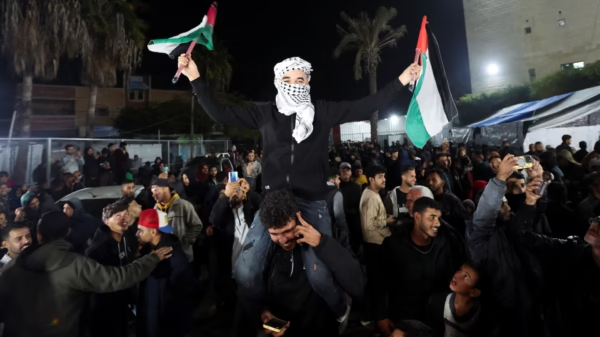
However, Iranian media outlets quickly rejected the narrative of diplomacy. State broadcaster Islamic Republic of Iran Broadcasting suggested the pause was a direct result of Tehran’s military warnings.
Reports highlighted Iran’s threats to target energy infrastructure in Israel and US-linked facilities in the Gulf if its own power network was attacked. The messaging across platforms framed the pause as a strategic victory for Iran’s deterrence policy.
One outlet described the move as “a retreat masquerading as diplomacy,” while others claimed Washington had been “forced to reconsider” after recent escalations.
Press TV stated that Trump had “backed down again,” linking the decision to a broader pattern of reversals under pressure.
Conflicting Claims on Talks
Despite Trump’s assertion that talks are underway, Iranian media denied any such engagement. Reports said there had been “no contact” between the two sides, either directly or indirectly.
This contradiction underscores the fragile and uncertain nature of any potential diplomatic opening, with both sides presenting sharply different versions of events.
Escalation Around Energy Infrastructure
The latest developments come amid escalating tensions in West Asia, particularly around energy routes and infrastructure. The strategic Strait of Hormuz — a crucial passage for global oil and gas supplies — has effectively been disrupted, adding to global economic concerns.
Trump had earlier warned that Iranian power plants would be targeted if Tehran did not reopen the Strait within a set deadline. In response, Iran threatened retaliatory strikes, signalling a widening conflict that could directly impact regional and global energy security.
War Impact Deepens
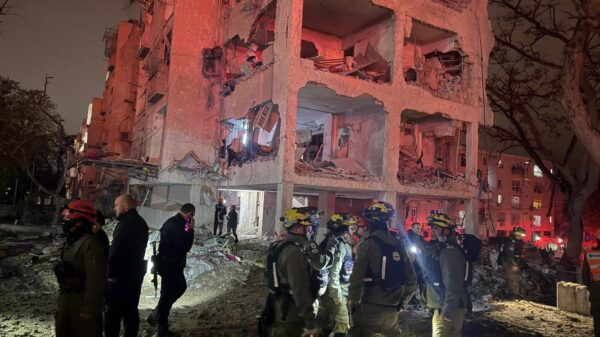
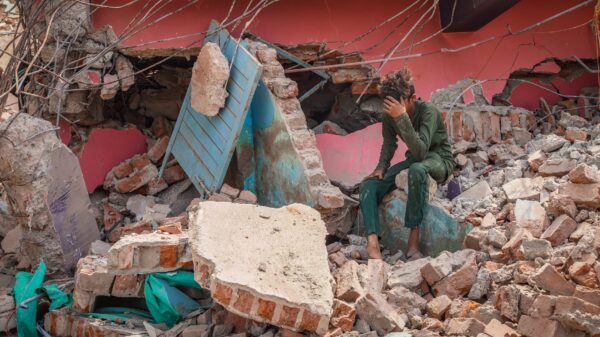
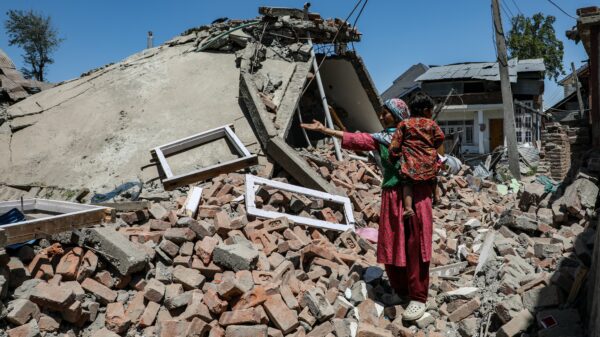
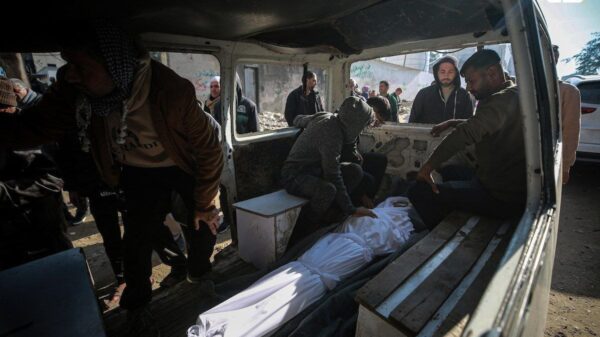
The conflict, which began on February 28 following US-Israeli strikes, has already caused significant damage. Reports indicate that over 2,000 people have been killed, while global markets have been shaken by rising fuel prices and inflation fears.
The situation has also strained international alliances and heightened concerns about a prolonged regional war.