Karnataka Chief Minister Siddaramaiah created history on Friday by presenting his 17th state budget, the most by any Chief Minister in the state. Among the most significant announcements was his declaration that the Karnataka government will enact the Rohith Vemula Act to prevent caste-based discrimination and harassment of students across all higher educational institutions in the state.
What the Rohith Vemula Act Will Do
The proposed legislation is aimed at tackling incidents of academic and social harassment faced by students on caste lines in government, private and deemed universities across Karnataka. Presenting the budget, Siddaramaiah said, “Rohith Vemula Bill will be enacted to prevent atrocities on caste lines on students across all government, private, and deemed universities in the state.”
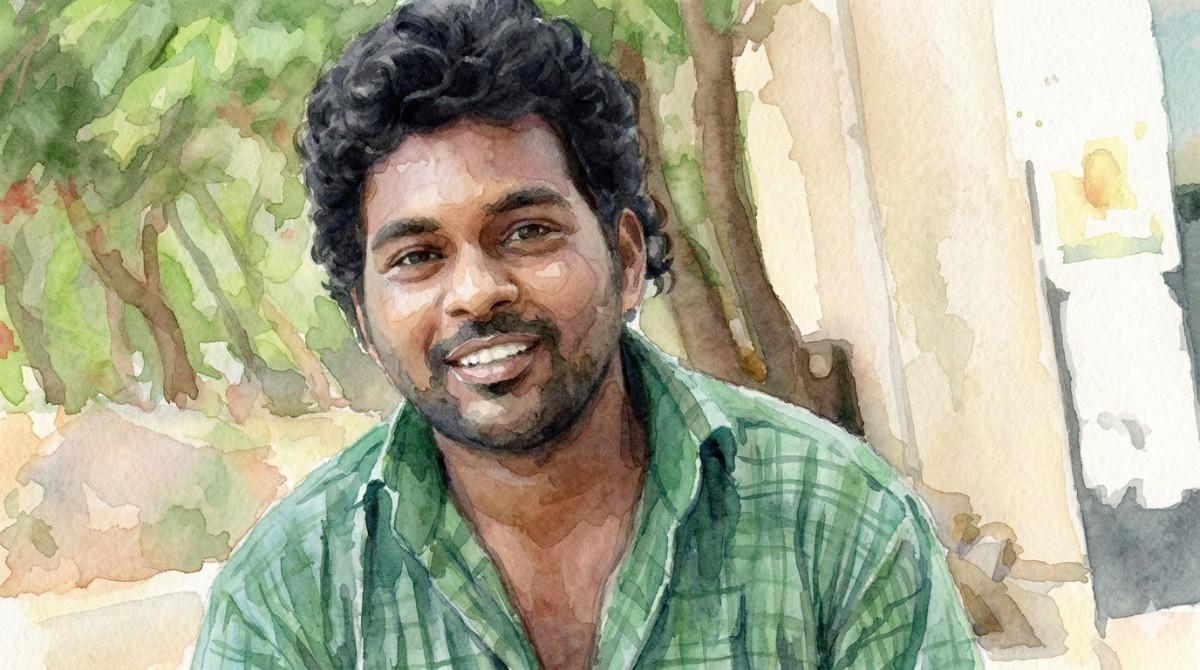
The bill is named after Rohith Vemula, a Dalit scholar from the University of Hyderabad who died by suicide in 2016 following alleged caste-based discrimination. His death sparked a nationwide debate on institutional casteism in Indian universities. Congress leader Rahul Gandhi had written to Siddaramaiah last year urging the state government to bring a law in Vemula’s name. The draft bill was discussed in the cabinet on February 26, after which it was decided to seek inputs from the Home department before placing it before the next cabinet meeting for finalisation.
Student Union Elections to Be Restored
Alongside the Rohith Vemula Act, the Chief Minister also announced that student union elections will be reinstated in colleges and universities across the state, with the aim of encouraging leadership, responsibility and democratic values among young people.
University of Visvesvaraya College of Engineering to Get IIT-Level Upgrade
The budget also earmarked significant funds for higher education infrastructure. The University of Visvesvaraya College of Engineering will be developed on the model of an IIT at a total cost of Rs 500 crore. The state government has already released Rs 100 crore for this purpose and committed another Rs 100 crore during the current year.
Under the Karnataka Higher Education Transformation Project, being implemented at a cost of Rs 2,500 crore with Asian Development Bank assistance, 40 government first-grade colleges and 11 polytechnics are being developed as model institutions. Nine Centres of Excellence will also be set up to promote entrepreneurship and a startup culture among students.
Fifteen new courses in high-demand fields including Artificial Intelligence, Machine Learning, Cloud Computing, Mining Engineering and Automation Engineering will be launched across 11 government polytechnics and a government engineering college in Chitradurga.
Women in Education Get Special Attention
Female guest lecturers working in government first-grade colleges, polytechnics and engineering colleges will be entitled to 90 days of maternity leave from the next academic year. The state has allocated Rs 31 crore to upgrade colleges where female students make up more than half the total enrolment. In partnership with AnitaB.org India, skill development and vocational training will be provided to 3,000 female graduates from STEM backgrounds who are in the early stages of their careers, at a cost of Rs 13.50 crore.
Healthcare Infrastructure Gets a Major Push
The budget set aside Rs 620 crore for the construction of medical colleges, hospitals and super-speciality hospitals in 2026-27, with an additional Rs 220 crore allocated for medical equipment procurement. Work on a 450-bed multi-speciality hospital in Karwar costing Rs 198 crore, a trauma care centre in Raichur and peripheral cancer centres in Mysuru and Tumakuru have already been completed.
An MoU has also been signed with the Azim Premji Foundation for the construction of a 1,000-bed charitable super-speciality tertiary care and organ transplant hospital at the Rajiv Gandhi Institute of Chest Diseases in Bengaluru.