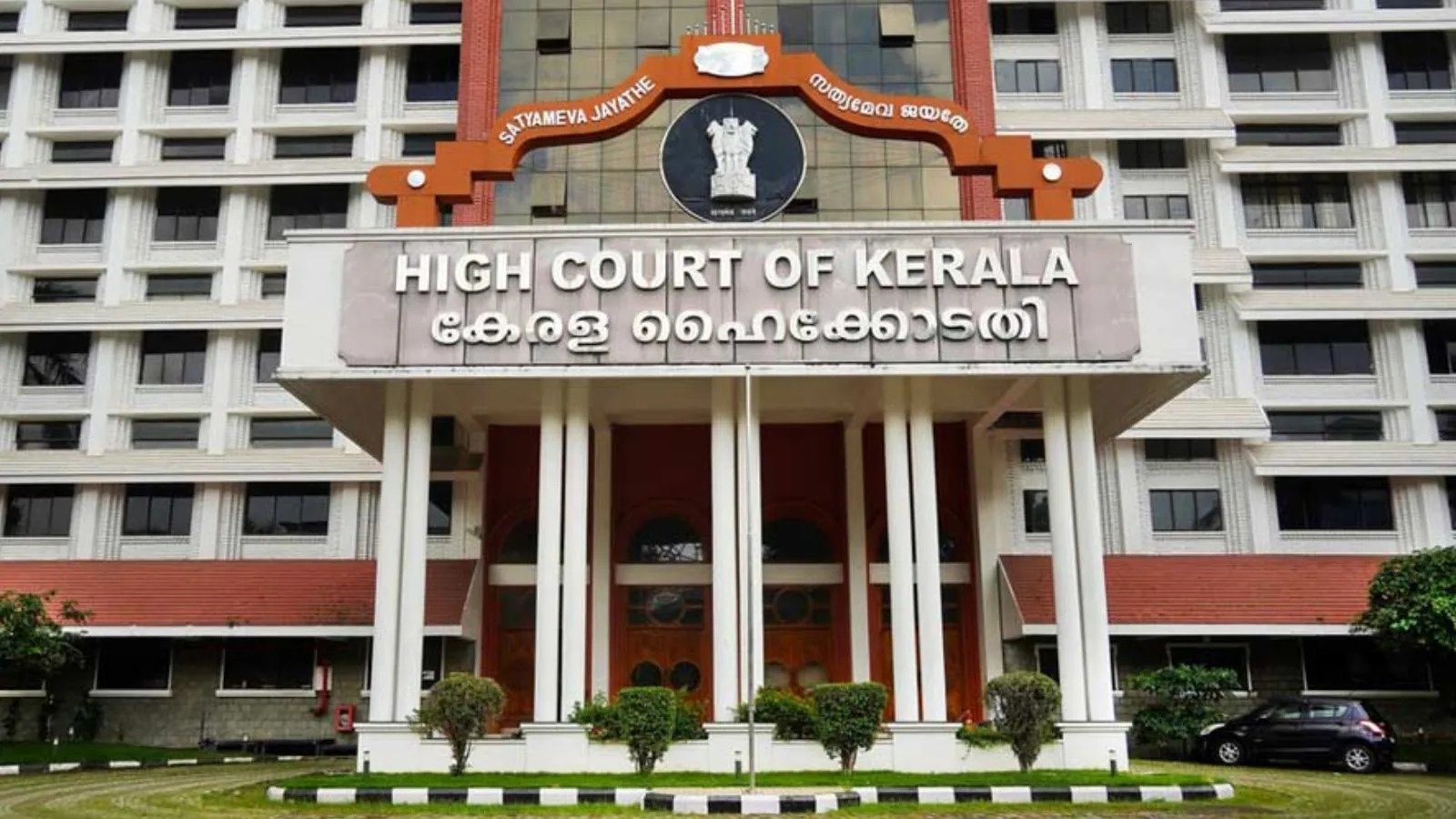
The Kerala High Court on Wednesday restrained the State Waqf Board from taking any major policy decisions, observing that its present composition prima facie does not comply with the provisions of the Waqf Act.
A Division Bench comprising Chief Justice Soumen Sen and Justice V.M. Shyam Kumar passed the interim order while hearing a batch of petitions challenging the constitution of the Board.
The court directed that, until the issue is resolved, the Joint Secretary in charge of Waqf affairs will oversee the Board’s day-to-day functioning. However, the Board has been barred from taking major policy decisions, incurring capital expenditure or making significant administrative decisions without the court’s permission.
The bench observed, “In view of the fact that admittedly, two non-Muslim members have not been included in the Waqf Board and also, as urged by some of the writ petitioners that one Shia member should also be included, we hold that the constitution of the Board prima facie appears to be not in conformity with Section 14 of the Act.”
Petitioners Challenge Board’s Constitution
The petitions were filed by BJP leader Shaun George and the Assembly of Christian Trust Services (ACTS), among others.
The petitioners argued that the Board had been constituted illegally because it did not include two non-Muslim members as required under Section 14 of the Waqf Act. They also alleged that certain members lacked the qualifications required to represent specific categories and objected to the appointment of a Law Department official instead of the ex-officio Joint Secretary dealing with Waqf matters.
ACTS also challenged the non-inclusion of representatives from the Shia, Bohra and Aghakhani communities and raised objections regarding the uploading of disputed Munambam land details on the Centre’s UMEED portal.
State Admits ‘Infirmity’ in Board’s Composition
During the hearing, Advocate General K. Jaju Babu informed the court that the Kerala government was prepared to reconstitute the Board in accordance with Section 14 of the Waqf Act.
He acknowledged that the existing Board has only nine members instead of the mandated 11 and admitted that the statutory requirement of appointing two non-Muslim members had not been fulfilled.
When Chief Justice Sen asked whether the State was effectively accepting that the Board had not been properly constituted, the Advocate General replied, “Impliedly, yes… Infirmity is accepted by us.”
He added that the government intended to reorganise the Board in accordance with the law.
Board Cites Pending Supreme Court Matter
Senior Advocate T. Krishnanunni, appearing for the Waqf Board, argued that appointments of the two non-Muslim members had been deferred because related issues were pending before the Supreme Court.
However, the Additional Solicitor General and the petitioners submitted that there was no order from the Supreme Court restraining such appointments.
The High Court orally remarked that the absence of the mandatory non-Muslim members itself raised serious questions about the Board’s legality.
Matter to Be Heard Next Week
The court directed that the Board will continue to function under the supervision of the Joint Secretary handling Waqf affairs until the dispute is decided.

The interim arrangement will remain in place while the High Court examines whether the Board was constituted in accordance with Section 14 of the Waqf Act. The matter has been listed for further hearing next week.