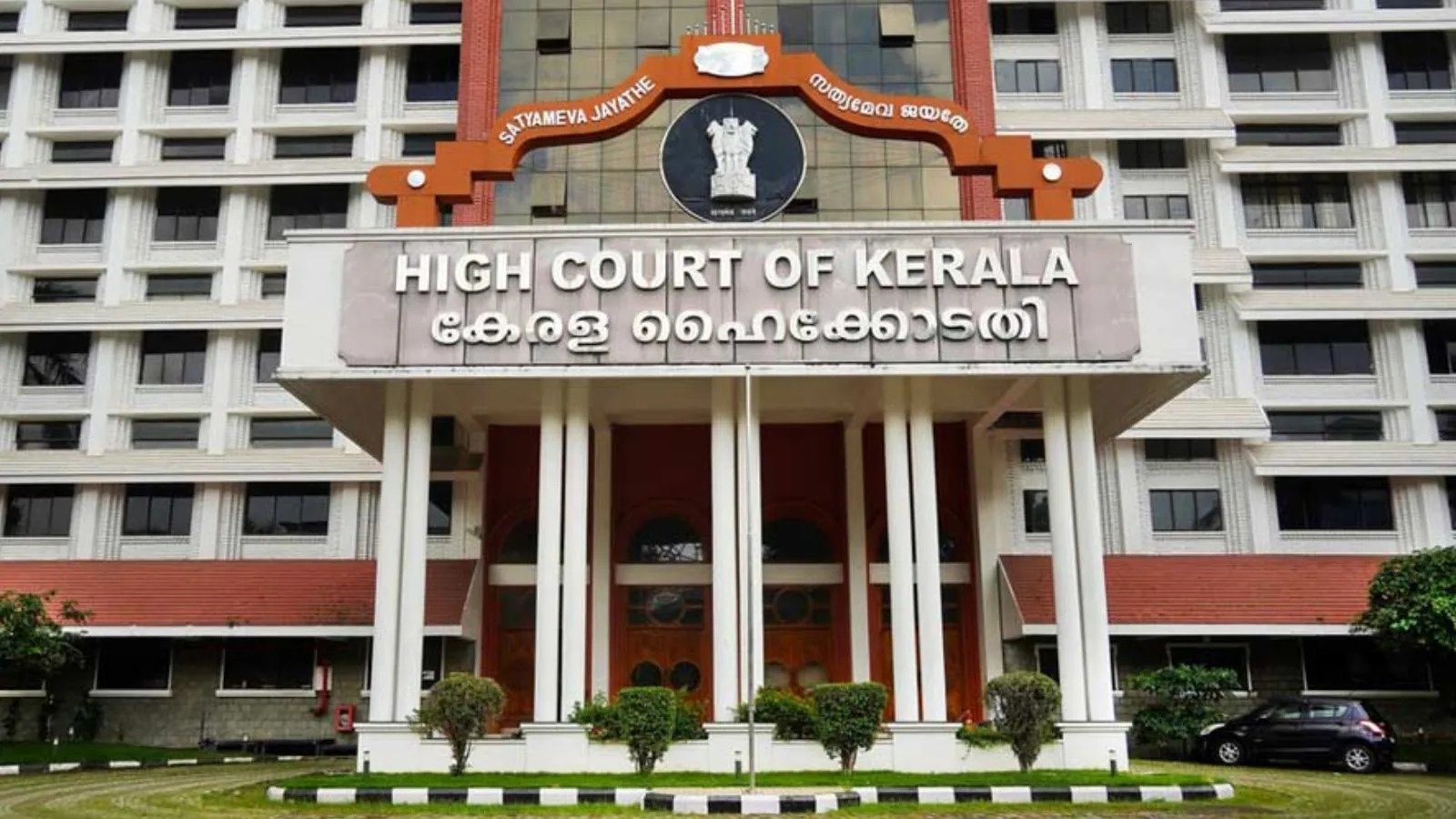
The Kerala High Court has held that an inter religion marriage can also be considered while granting benefits under a reservation category meant for inter caste marriages.
Justice Harisankar V. Menon made the observation while hearing a petition filed by a woman who had sought regularisation of her appointment as a farm employee under the inter caste marriage category.
The petitioner had submitted an inter caste marriage certificate issued by the Tahsildar, Vaikom, in 2007. Her employer, the Principal Agricultural Officer, later asked her to produce a recent certificate.
Tahsildar Initially Rejected Certificate
The petitioner subsequently approached the Tahsildar for a new certificate. Her application was initially rejected on the ground that she and her husband belonged to different religions and, therefore, their marriage could not be treated as an “inter caste marriage”.
The Tahsildar later issued a certificate recording that the petitioner was a Christian while her husband was a Hindu.
However, the employer did not accept the new certificate, prompting the petitioner to approach the High Court.
In 2022, the High Court had directed the employer to provisionally accept the certificate and allow the petitioner to take charge, subject to the final outcome of the case. She subsequently joined the post but her appointment had not been regularised.
Court Says Inter Religion Marriage Must Be Considered
The respondents argued that the certificates produced by the petitioner only established that she was an “inter caste married person” and could not be relied upon for appointment benefits.
They also referred to Clause 246 of the Village Officer Manual, arguing that it provided for the issuance of an inter caste marriage certificate and did not cover marriages between people belonging to different religions.
The High Court, however, took a different view while examining the category under which the petitioner had been appointed.
“In my opinion, as already noticed, since the petitioner’s appointment is under the category of ‘മിശ്ര വിവാഹിത’ (Inter Faith Marriage), the benefits thereunder require to be extended on the basis of Exts.P5 as well as P8,” the court observed.
The court noted that the certificates established that the petitioner belonged to the Christian religion while her husband belonged to the Hindu religion.
“In the opinion of this Court, an inter religion marriage also requires to be taken note of while considering the entitlement pursuant to the benefits considered and extended pursuant to Ext.P4 order,” Justice Menon said.
Court Directs Regularisation of Appointment
The High Court subsequently disposed of the petition and directed the Senior Agricultural Officer to regularise the petitioner’s appointment.
The ruling comes in the context of an earlier Kerala High Court decision concerning an inter religious marriage and community benefits. In 2024, the court had held that a child could not be denied an SC community certificate merely because the parents had an inter religious marriage, where the child had been accepted into the community and faced the associated social disadvantages.