




















































Mexico has approved higher tariffs on imports from Asian countries, including India, China, and South Korea, in a move aimed at protecting local industries. Mexican lawmakers passed the measure on Thursday, setting duties between 5 and 50 percent on over 1,400 products, including automobiles, auto parts, steel, textiles, plastics, and clothing. The new tariffs will take effect in 2026.
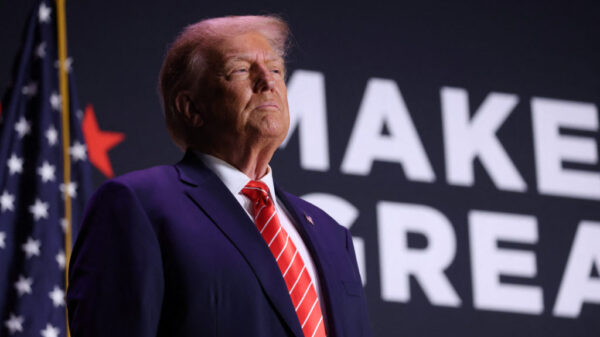
While India is affected, it is not the primary target, as the measure is widely seen as a response to US pressure on Mexico to curb imports from China ahead of the US-Mexico-Canada trade agreement review in 2026. Mexican President Claudia Sheinbaum stated that the tariffs were not meant to single out any country. “Our interest is not to generate conflict with any country in the world,” she said. Analysts note that the move resembles former President Donald Trump’s approach of imposing high tariffs on imports from China and other Asian nations.
India exported $5.7 billion worth of goods to Mexico in 2024-25, roughly 1.3 percent of its total exports, but certain sectors such as automobiles and steel are likely to feel the impact sharply. Passenger vehicle exports from India to Mexico, which range from $800 million to $1 billion annually, now face a 50 percent duty, up from the previous 20 percent. Other affected sectors include iron and steel, textiles, apparel, footwear, and auto components.
Piyush Arora, head of Volkswagen India, said that India has long been a reliable export base for the company. “Mexico has consistently been one of our important export markets, given the rising demand there and the traction of our India-made models,” he said. Skoda Auto accounts for nearly half of India’s total car exports to Mexico, while Hyundai, Nissan, and Suzuki also ship vehicles regularly. Most of these cars are compact models specifically designed for the Mexican market and do not compete with high-end locally produced vehicles.
The Society of Indian Automobile Manufacturers had urged the Indian government to engage with Mexico to maintain the existing tariff levels, arguing that Indian vehicles account for only about 6.7 percent of total passenger vehicle sales in Mexico. “Indian-origin vehicles are not a threat to Mexican local industry, as they do not cater to the high-end segments manufactured by Mexico for the North American market,” the industry body said.
Mexico’s finance ministry estimates that the tariff hike will generate approximately 52 billion pesos, or $2.8 billion, in additional revenue. However, manufacturers reliant on imports from India, China, and South Korea warn that rising costs could push prices higher and disrupt supply chains. Oscar Ocampo, director of economic development at the Mexican Institute for Competitiveness, said, “The real reason has to do with the United States; it has to do with the review of the USMCA that is coming up.” He added that the tariffs could complicate operations in several sectors, including auto parts, plastics, chemicals, and textiles, while also fueling inflation amid a slowing economy.
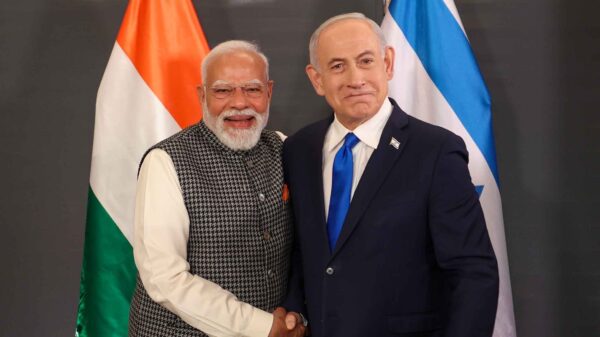
The Mexican move follows recent discussions between Prime Minister Narendra Modi and former US President Donald Trump over trade issues. Modi described his phone conversation with Trump as “warm and engaging” while exploring ways to address US tariffs on Indian goods, which had reached as high as 50 percent. India continues to push for bilateral or partial free trade agreements with Mexico, particularly for automobiles and steel, to mitigate the impact of the new duties.