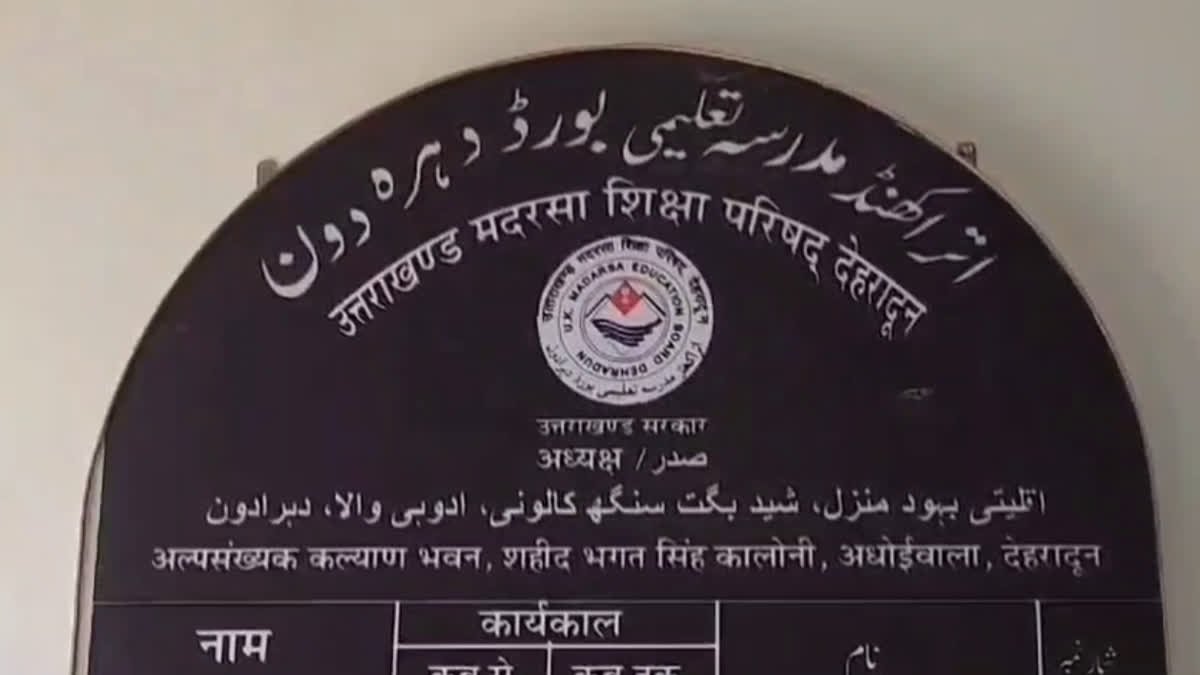
The Madhya Pradesh High Court has dismissed two petitions challenging demolition notices issued by the Ujjain Municipal Corporation for a portion of the Shahi Masjid at Chatri Chowk.
The Indore Bench, led by Justice Sandeep N Bhatt, held that the proposed action was taken under the law and in the larger public interest. The court also ruled that the action did not violate the petitioners’ fundamental rights.
The order was passed on September 9, 2026.
The petitions were filed by representatives of Shahi Masjid Waqf Panchayat Mochiyaan and Shahi Masjid Waqf Panch Mochiyan against notices issued on August 14, 25 and 27, followed by a final order dated September 1.
The notices seek removal of a portion of the mosque to facilitate the construction of a 15 metre wide road under the Ujjain Development Plan 2035.
Mosque Management Challenges Demolition
The petitioners argued that the proposed action would affect part of the prayer hall or Jamat Khana, a 120 foot minaret and the Mazhar Chouk Shahi.
They said the mosque is registered as waqf property and argued that its religious character was protected under Articles 14, 25 and 26 of the Constitution.
Their lawyers also argued that other nearby properties had been protected because of their historical importance, while the mosque was being targeted.
They cited previous judgments, including a Gujarat High Court ruling and Supreme Court directions concerning procedural safeguards before the removal of structures.
The petitioners also claimed that the Madhya Pradesh Waqf Board had not been served notice.

Corporation Cites Simhastha 2028
The Ujjain Municipal Corporation defended the road widening project, saying the road connects Gopal Mandir with the Mahakaleshwar Temple and is used during Shahi Sawari processions.
The Corporation said the widening was also being planned in view of the expected crowds during Simhastha Kumbh 2028.
According to the Corporation, around 80 religious structures across Ujjain are being removed or shifted as part of the wider road and infrastructure work. It said 10 temples and one mosque on the same stretch had already been removed.
The Corporation further argued that only the portion of the Shahi Masjid obstructing the road would be removed, which it said was less than 10 percent of the total construction. Compensation through FAR or TDR was also proposed.
Court Says Action Was Not Arbitrary
The High Court examined the petitioners’ claims along with Supreme Court rulings on religious structures and public infrastructure.

The court noted that the petitioners had been given an opportunity to raise their objections before the final demolition order was passed.
It also observed that religious structures on the same road had been dealt with as part of the wider road widening exercise.
The court said the action was being taken keeping in mind “the larger public safety and larger public interest” ahead of Simhastha Kumbh 2028.
Justice Bhatt said the petitioners appeared to be resisting the road widening process by raising disputes “under the pretext of giving special treatment to the religious place.”
The court rejected the argument that the authorities were treating the mosque differently.
Petitions Dismissed
The court also noted a dispute over who currently represents the mosque committee after its reconstitution by the Waqf Board on August 19.
Different individuals had filed replies claiming to hold the position of president, creating a dispute over the petitioners’ standing to approach the court.
The bench said the disputed issue was another reason not to exercise its extraordinary jurisdiction under Article 226.
The court ultimately held that the actions of the Ujjain Municipal Corporation and the state could not be considered “arbitrary, unjust, unconstitutional” or violative of Articles 14, 25, 26 and 300A.
It concluded that “no case is made out for interference under Article 226 of the Constitution of India” and dismissed both petitions as meritless.