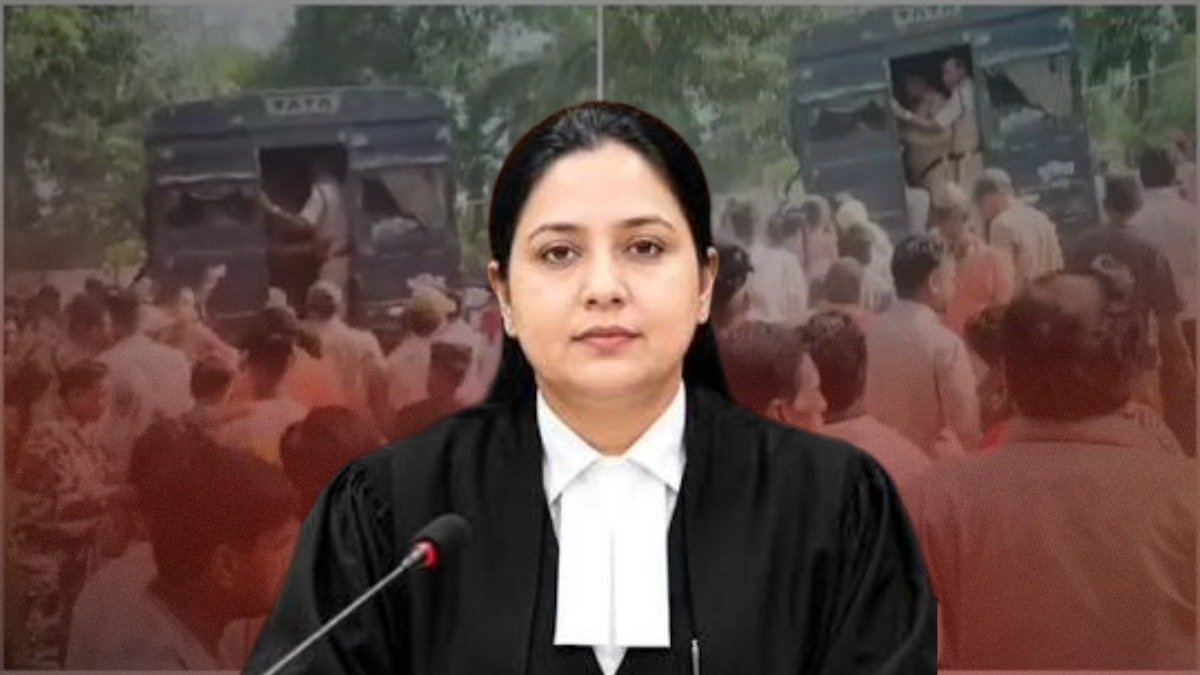
A Muslim woman judge in Madhya Pradesh has come under intense online abuse and threats from Hindutva groups after sentencing 14 men to life imprisonment in the 2022 mob lynching of a Muslim truck driver.
Tabassum Khan, an Additional District and Sessions Judge, on June 12 convicted the accused in the killing of Nazir Ahmed, calling the assault “extremely brutal” and holding that the group had formed an unlawful assembly with the intention of attacking the victim.
The case dates back to the night of August 2, 2022, when Nazir Ahmed was transporting cattle from Madhya Pradesh to Maharashtra. He was intercepted near Barakhar village in Seoni Malwa and allegedly beaten to death by a mob of self-proclaimed cow vigilantes.
Emotional Scenes Outside Court After Verdict
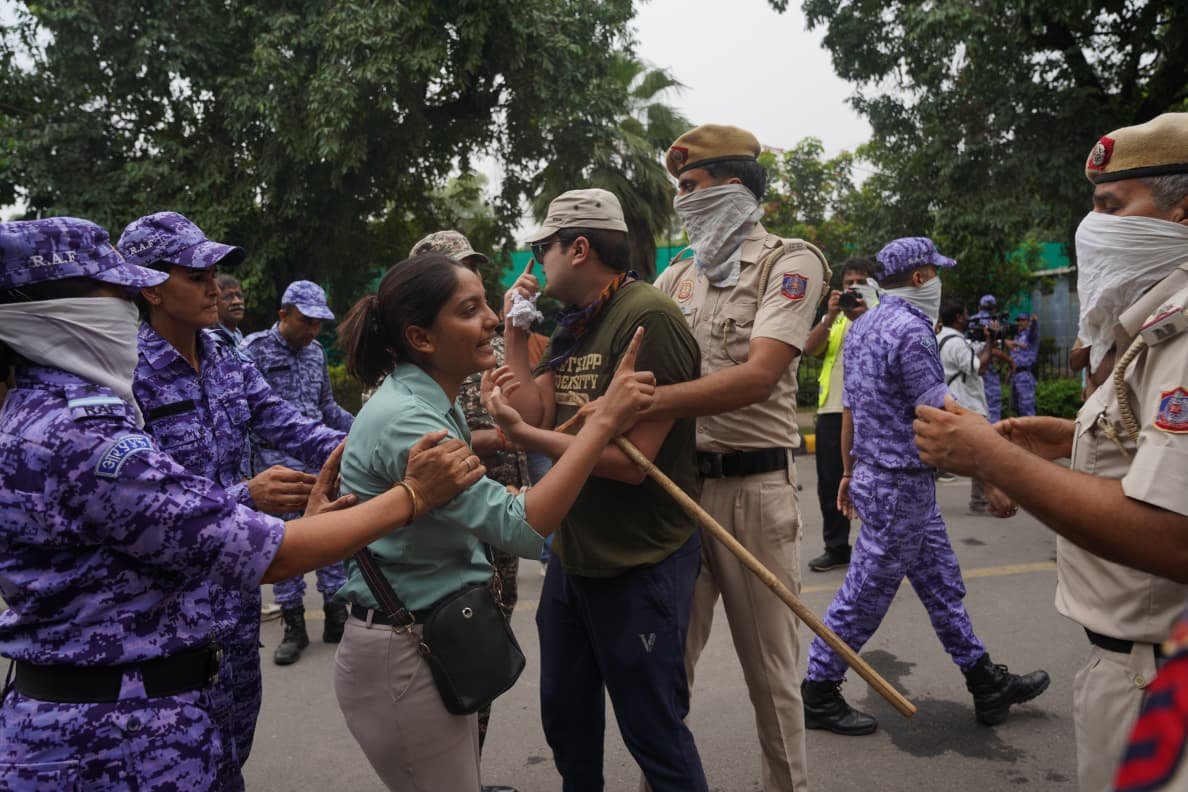
After nearly four years of trial, the court handed life imprisonment to all 14 accused. The verdict led to emotional scenes outside the court as family members of the convicts protested and broke down in tears.
Soon after the judgment, several right-wing groups and cow protection organisations launched protests against the verdict, focusing on the judge’s Muslim identity rather than the findings of the court.
Members of the Gau Raksha Parishad reportedly burned effigies of Judge Khan and called her “anti-Hindu,” while abusive and communal posts spread across social media.
Viral Threat Video Sparks FIR
A viral video circulating online allegedly shows a Hindutva activist using derogatory slurs against the judge and threatening violence if the convicted men are not released within 10 days.
In the video, the man reportedly warns of “bloodshed” across Madhya Pradesh and the country, intensifying concerns over judicial safety and communal hate speech.
Following the circulation of the video, police in Seoni Malwa took suo motu cognisance and registered an FIR. Authorities are now working to identify those responsible for creating and sharing the threatening content.
Support for Judge, Questions Over Action
Senior Congress leader Pawan Khera condemned the hate campaign, saying the convicts were punished based on evidence, not religion.
“They were not convicted because of their religion; they were convicted because the investigation found them guilty of rioting, attempted murder and murder,” Khera said.
He also questioned why those openly making communal threats had not faced immediate legal action.
Meanwhile, Suresh Chavhanke publicly backed the protests, calling the judgment “judicial lynching” and expressing solidarity with the convicted men and their families.