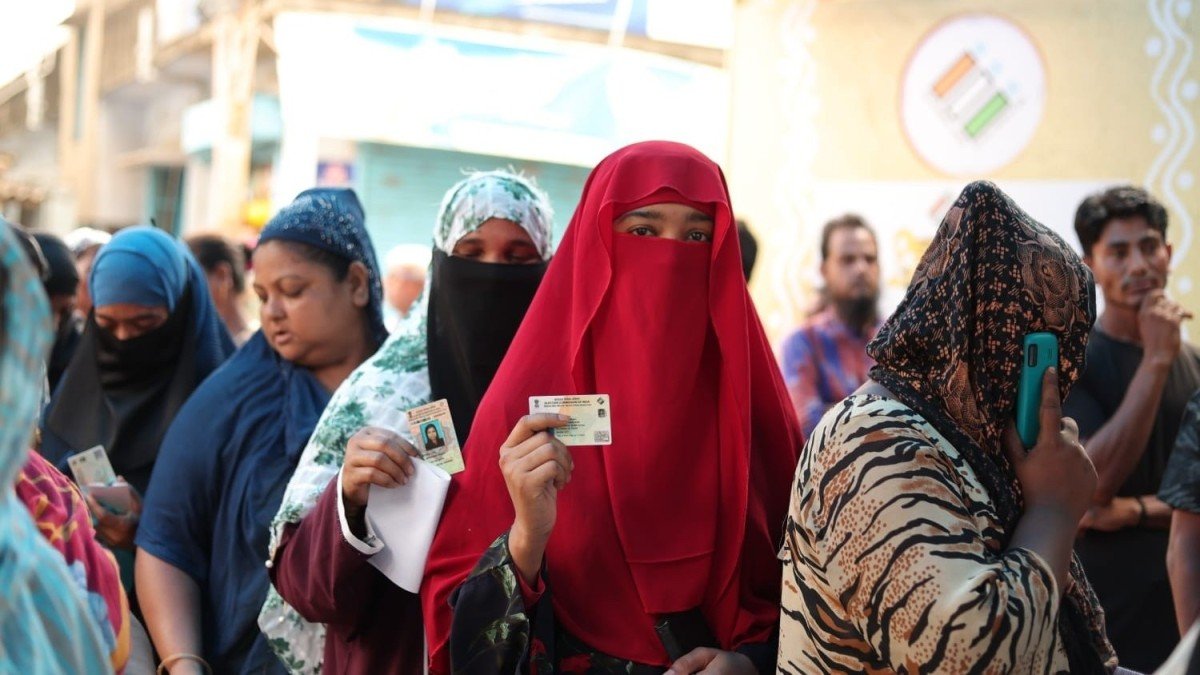
As Suvendu Adhikari took oath as the first BJP Chief Minister of West Bengal on May 9, many Muslim neighbourhoods across Kolkata and several districts responded with caution, concern and quiet observation rather than open protest.
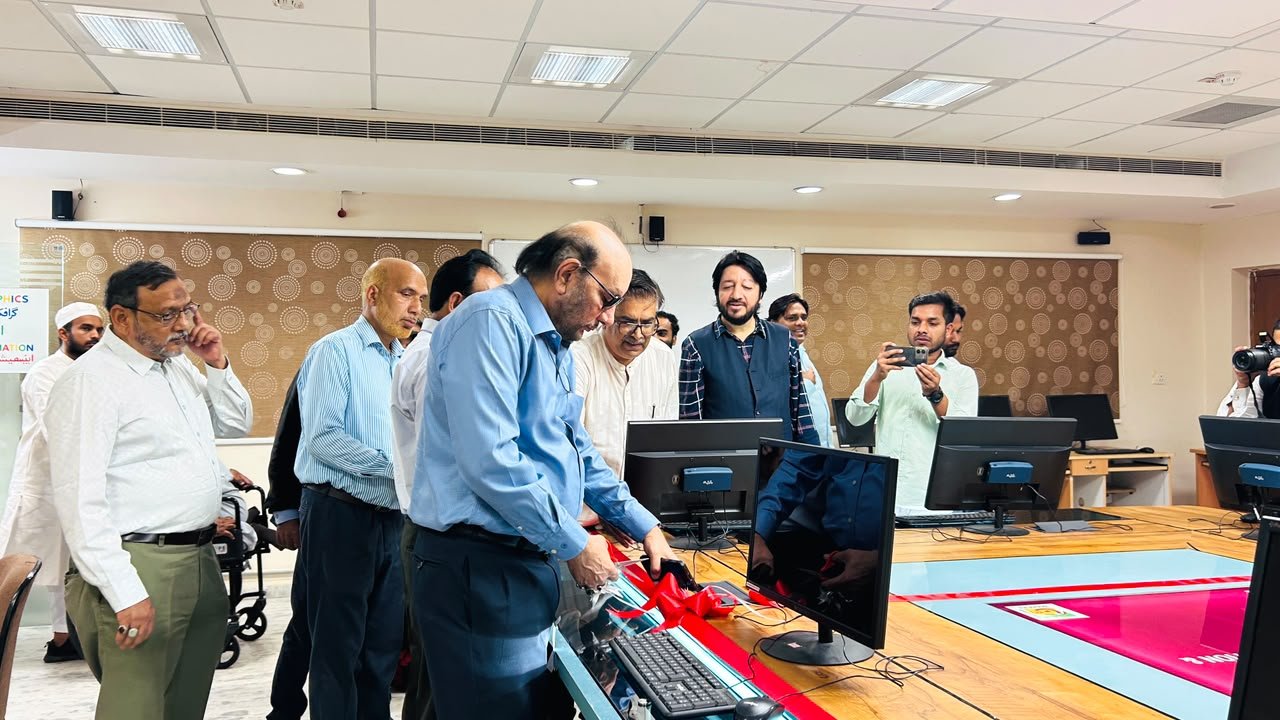
In areas such as Metiabruz, people gathered in restaurants and homes to watch television coverage of the swearing-in ceremony, marking a major political shift in a state that had long resisted BJP rule.
For Bengal’s Muslim community, which makes up nearly 30 per cent of the state’s population, the BJP’s rise to power has created mixed feelings. While many expressed concerns over representation and security, others said the democratic verdict should be respected and judged through governance.
“We believe in democratic governance, leadership and equality,” said Mohammed Kamruzzaman, general secretary of the All Bengal Minority Youth Federation. “Earlier, we had Mamata Banerjee, and now Suvendu Adhikari has come through a democratic mandate. We expect the government to uphold rajdharma and ensure equal treatment for all citizens.”
Muslim Vote Split Changed Bengal’s Political Landscape
The election marked a major shift in Bengal politics. For years, Muslim voters largely supported All India Trinamool Congress, helping the party resist BJP expansion in earlier elections.

This time, however, the minority vote fragmented in several districts including Murshidabad, Malda and Uttar Dinajpur. Sections of Muslim voters shifted towards Congress, Left parties and smaller regional groups such as the Indian Secular Front (ISF) and AJUP.
In Murshidabad, where Muslims form a large majority, the Trinamool Congress saw a sharp fall in seats, while the BJP significantly improved its performance.
Political analysts said dissatisfaction with local leadership, factionalism and frustration over symbolic politics contributed to the shift. At the same time, the BJP benefited from consolidation among Hindu voters in mixed-population constituencies.
Concerns Over Representation and Security
Many Muslims also remain worried because the BJP did not field a single Muslim candidate in the Assembly elections. Community leaders fear that social polarisation could increase under the new government, even if the administration adopts a moderate approach publicly.
Political analyst Moidul Islam said the BJP’s first challenge would be governance and development. “There is no reason for panic. Minorities may not receive additional political advantages, but there could be a more level playing field where development becomes the focus,” he said.
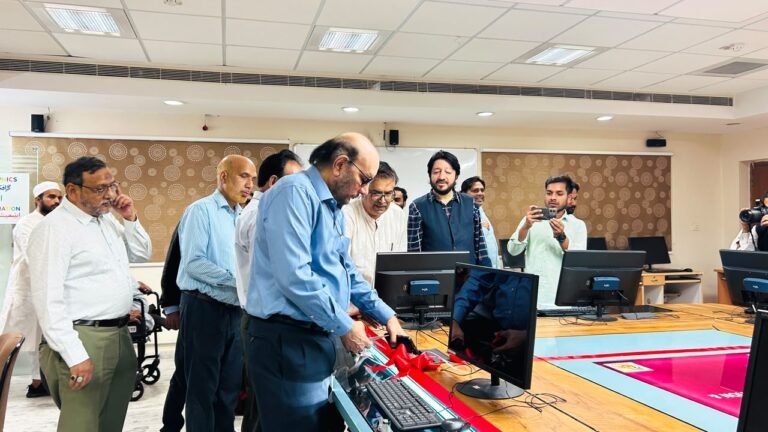
Among younger Muslim voters, there is cautious hope that administrative stability and employment opportunities could improve under the new government.
At the same time, several Muslim organisations have tried to avoid direct confrontation and instead publicly expressed expectations from the BJP administration.
Maulana Shafique Qasmi, imam of Nakhoda Masjid, said an elected government should work equally for all communities despite ideological differences.
“For the government of the day, everyone should be equal,” he said.
Md Yahya, chairman of the West Bengal Imam Association, said the community hoped the BJP’s slogan of “Sabka Saath, Sabka Vikas” would be implemented fairly.
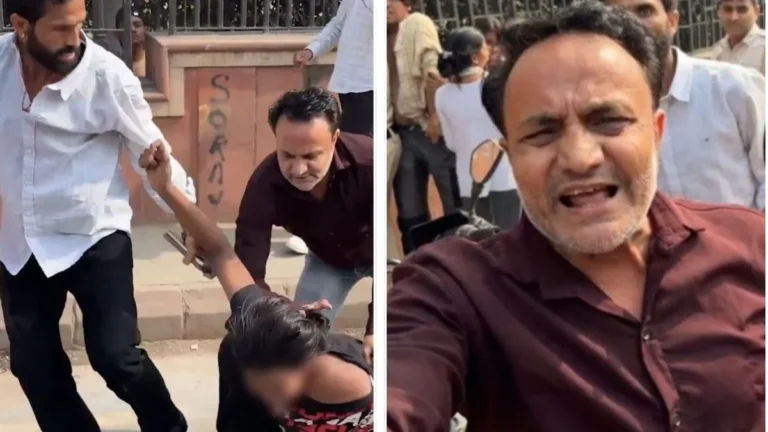
“We hope people can live without fear and in harmony,” he said.