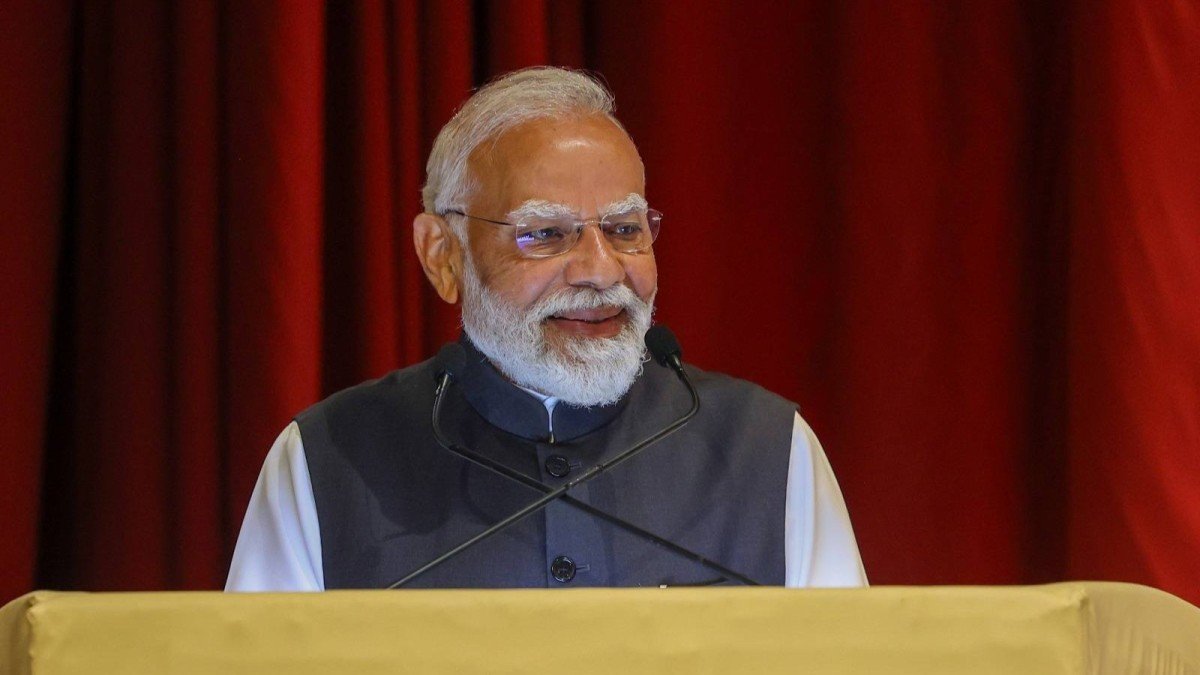
Prime Minister Narendra Modi on Friday paid tribute to Hazrat Imam Hussain (AS) on the occasion of Muharram, saying his sacrifice continues to inspire people across the world to stand firmly for truth and justice.
In a message posted on social media platform X, Modi said, “The sacrifice of Hazrat Imam Hussain (AS) continues to inspire many people to remain steadfast in the pursuit of truth and justice. It is also a reminder of the enduring power of courage and conviction.”
His message came as Muslims in India and across the world began observing Muharram, the first month of the Islamic calendar and one of the holiest months in Islam.
What Muharram Signifies
Muharram marks the beginning of the Islamic or Hijri New Year. It is considered one of the four sacred months in Islam, during which warfare is traditionally forbidden. The word “Muharram” itself means “forbidden.”
The month is deeply linked with Ashura, observed on the 10th day of Muharram, which commemorates the martyrdom of Hazrat Imam Hussain (AS), the grandson of Prophet Muhammad (SAW), in the historic Battle of Karbala.

Imam Hussain’s stand at Karbala is remembered as a symbol of sacrifice, faith, courage, and resistance against injustice. His martyrdom remains one of the most significant events in Islamic history.
Mourning and Reflection During Muharram
Across many parts of India, religious gatherings, majlis, mourning processions and prayer meetings are held during Muharram. For Shia Muslims, the first 10 days are marked by mourning, remembrance and reflection.
Many attend majlis, wear black, and avoid celebrations such as weddings or music as a sign of respect. On Ashura, processions are taken out in memory of Imam Hussain and his companions.
For Sunni Muslims, Muharram is also a spiritually important time. Many observe voluntary fasting on the 9th and 10th of Muharram, following Islamic traditions, believing it brings spiritual rewards.