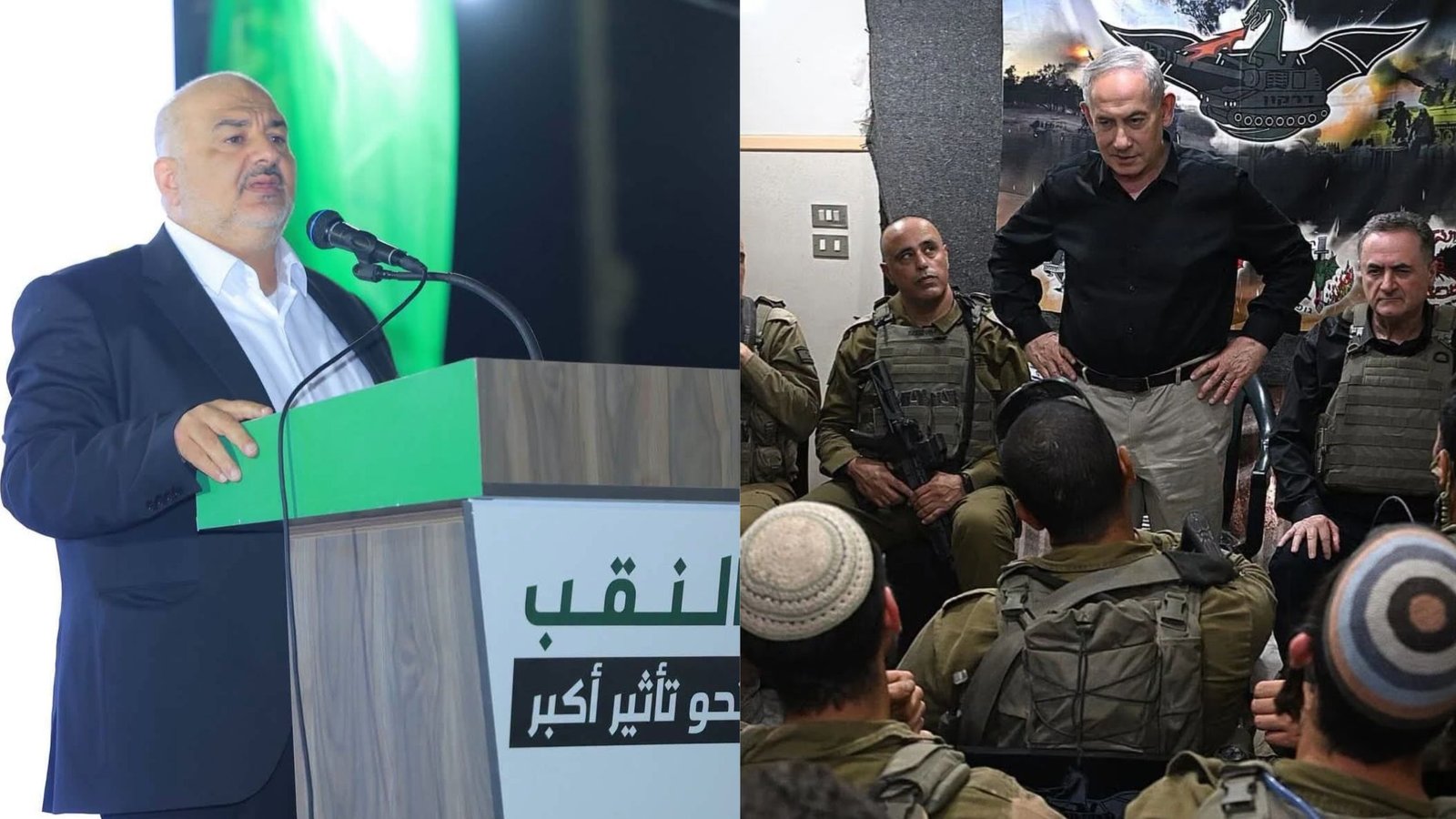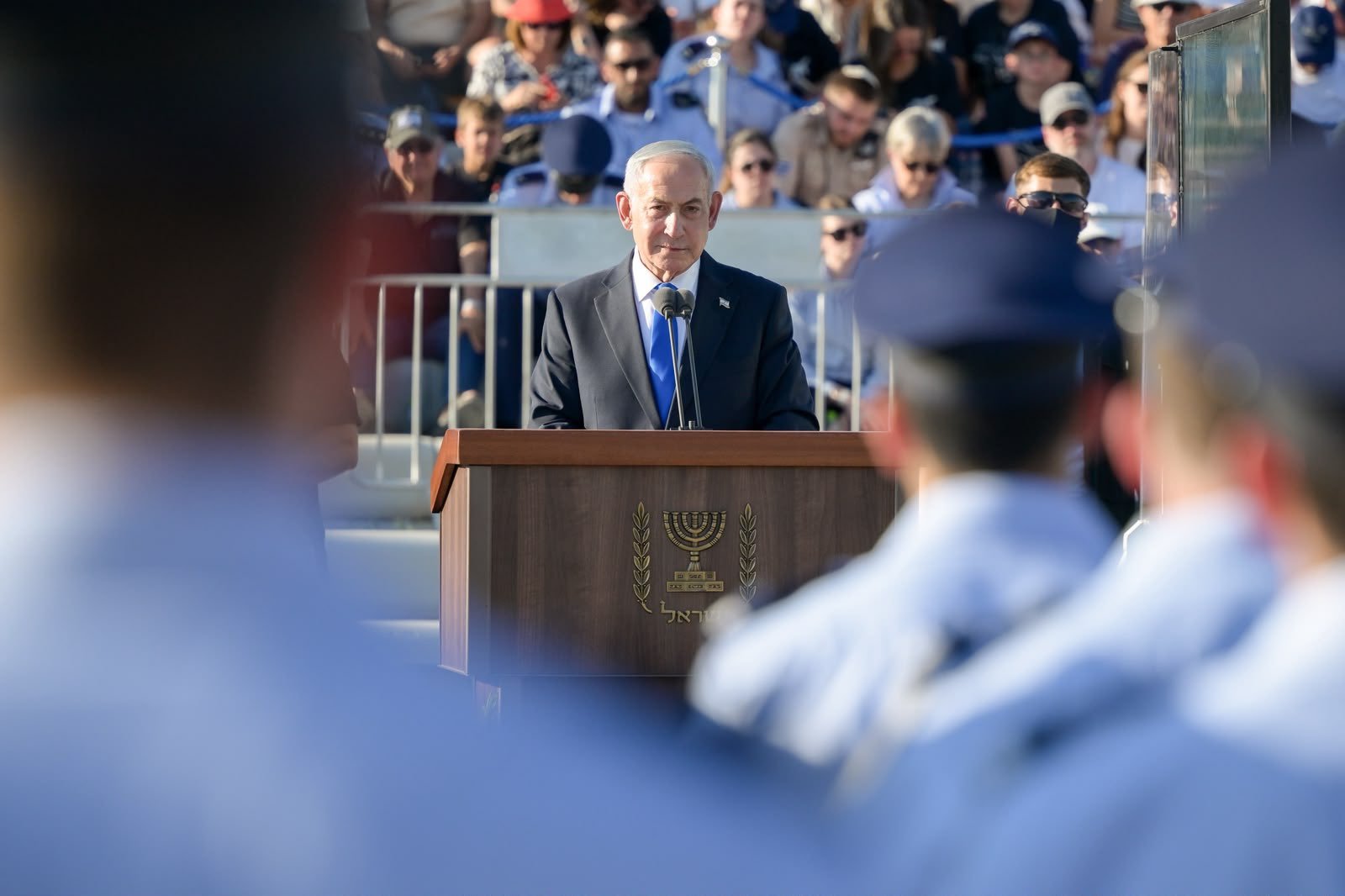
Israeli Prime Minister Benjamin Netanyahu’s bloc has secured 53 seats in the 120-member Knesset, while the opposition bloc led by former military chief Gadi Eisenkot has 48 seats, with 85.6% of votes counted, according to Ynet.
Arab parties have won 19 seats, taking the combined opposition tally to 67. However, neither Netanyahu’s bloc nor the Eisenkot-led alliance has secured the 61 seats required to form a majority government independently.
The results point to a political deadlock, with negotiations likely to determine whether the opposition can form a government with support from Arab parties or whether Israel will face another election.
The Central Elections Committee has completed counting ballots from regular polling stations. Double-envelope ballots, including votes cast by soldiers and other eligible voters outside their assigned polling stations, are still to be counted and could change the final seat distribution.
Arab Parties Emerge as Potential Kingmakers
The Arab parties’ combined tally of 19 seats marks a significant result and could make them pivotal in government formation.
However, the Eisenkot-led opposition faces a difficult choice over whether to cooperate with Arab parties to reach the parliamentary majority. Netanyahu has repeatedly ruled out forming a government with their support.
Democrats leader Yair Golan has called on the opposition bloc to unite with Arab parties to secure the numbers needed to form a government.
Political analysts have pointed to the reluctance of both major camps to work with Arab parties as a central obstacle to ending Netanyahu’s political dominance.
The opposition alliance includes parties with differing political positions, making negotiations over a common governing programme another potential challenge.
High Turnout in Israel’s Election
Israel held parliamentary elections on October 27, with turnout reaching approximately 77.7%, according to the reported figures. More than 7.3 million people were eligible to vote.
The election was the country’s first general election since the October 7, 2023, Hamas-led attacks and the subsequent war in Gaza.
Under Israel’s proportional representation system, voters choose political parties rather than individual constituency candidates. The 120 seats in the Knesset are distributed among parties according to their share of the national vote, provided they cross the electoral threshold of 3.25%.
A party or coalition needs at least 61 seats to command a parliamentary majority.
What Happens if No Bloc Reaches 61 Seats?
If neither camp can assemble a governing majority, President Isaac Herzog will consult political parties and nominate the candidate he believes has the best chance of forming a government.
The designated candidate will have up to 42 days to negotiate a coalition, according to the reported process.
Herzog has urged political leaders to avoid another election, saying they should approach negotiations with an open mind.
If coalition talks fail, Israel could return to the polls. Netanyahu would remain caretaker prime minister in the meantime, overseeing day-to-day government affairs.