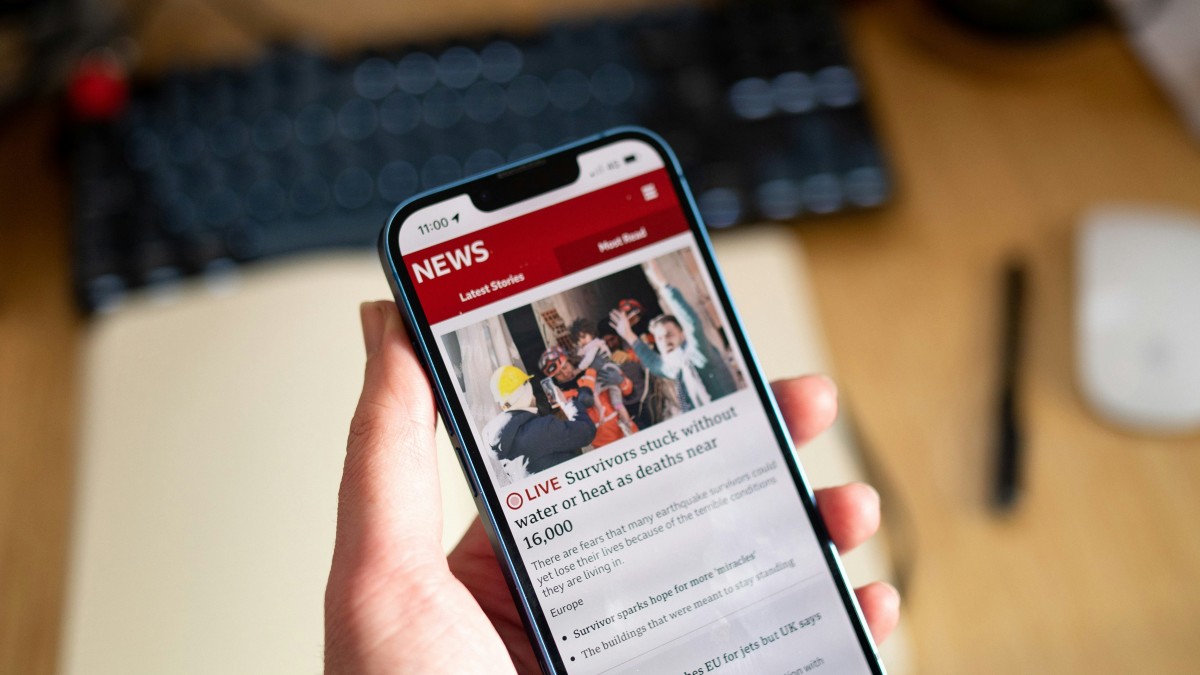
The Union government has proposed new changes to the Information Technology (IT) Rules that could allow authorities to directly issue takedown notices to independent news creators on platforms like YouTube, Instagram, and X. The proposal, released on Monday, has raised concerns among digital rights groups about censorship and government control over online content.
According to reports, the draft amendment to the 2021 IT Rules would empower the Ministry of Information and Broadcasting to act against content posted not just by news organisations, but also by individual users who share news and current affairs online.
An official familiar with the proposal said, “In effect, the government can now ask platforms for information about a news creator and send blocking orders directly if these rules are finalised.” The official added that the amendment is meant to clarify the government’s existing powers.
Government says rules will improve oversight and legal clarity
The government has defended the move, saying the changes are “clarificatory and procedural in nature.” In its explanation, the IT Ministry said the amendments aim to “improve legal certainty, strengthen enforceability of directions, and ensure effective oversight of content, particularly news and current affairs.”
Under the proposal, if a complaint against content is upheld by an inter-departmental committee, creators could be asked to remove or modify their posts or even issue an apology.
The draft also makes it mandatory for social media platforms to follow government advisories, guidelines, and standard operating procedures. Failure to comply could affect their “safe harbour” protection under Section 79 of the IT Act, which currently shields platforms from being held legally responsible for user-generated content.
If this protection is removed, platforms could face legal liability for posts shared by users.
Digital rights groups warn of ‘massive expansion’ of censorship
However, the proposal has been strongly criticised by the Internet Freedom Foundation (IFF), a digital rights advocacy group. The organisation called the draft a “massive expansion of unconstitutional censorship and regulatory power.”
In a statement, the IFF said, “These amendments signal a decisive turn toward executive-led content control, with serious implications for digital rights and democratic accountability.”
The group also raised concerns about expanded powers given to the inter-departmental committee. “The revised rules allow the committee to hear not just complaints, but any matters referred by the ministry, removing earlier safeguards,” it said.
IFF further argued that the government is trying to bypass court restrictions. “The changes appear designed to reconstruct oversight mechanisms that courts had earlier found constitutionally suspect,” the statement added.
Spike in takedown actions and tighter timelines
The proposed rules come amid a recent increase in takedown orders targeting online content, including posts critical of the government and satirical material involving Prime Minister Narendra Modi.
IT Minister Ashwini Vaishnaw said the government’s actions are focused on tackling “fake news” and “AI-generated deepfakes.”
Recent cases include the blocking of a Facebook page of an independent outlet and the removal of posts by fact-checkers, even as similar or related content by political leaders remained online.
Additionally, earlier amendments have already shortened the time given to platforms to act on takedown notices—from up to 36 hours to just a few hours—leading to faster and more frequent content removals.
Public consultation open till April 14
The draft amendments are currently open for public feedback until April 14. If implemented in their current form, they could significantly reshape how news and political content is regulated on social media in India, especially for independent creators and smaller platforms.