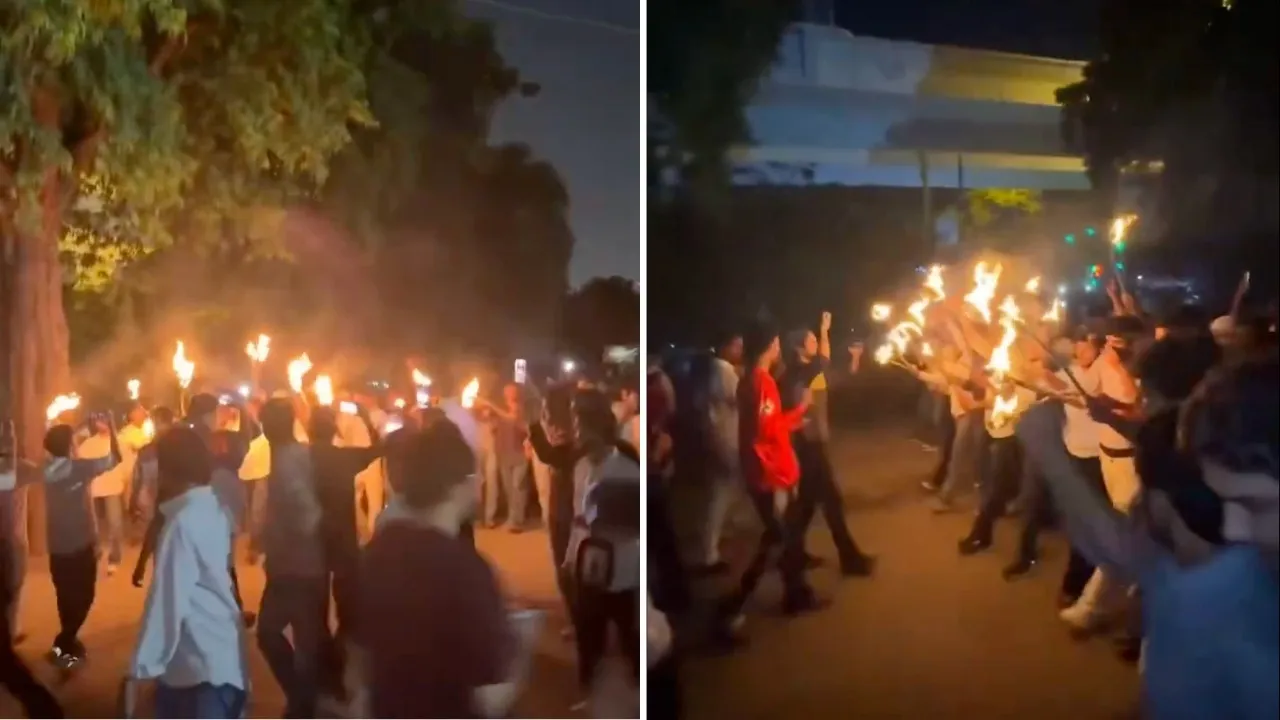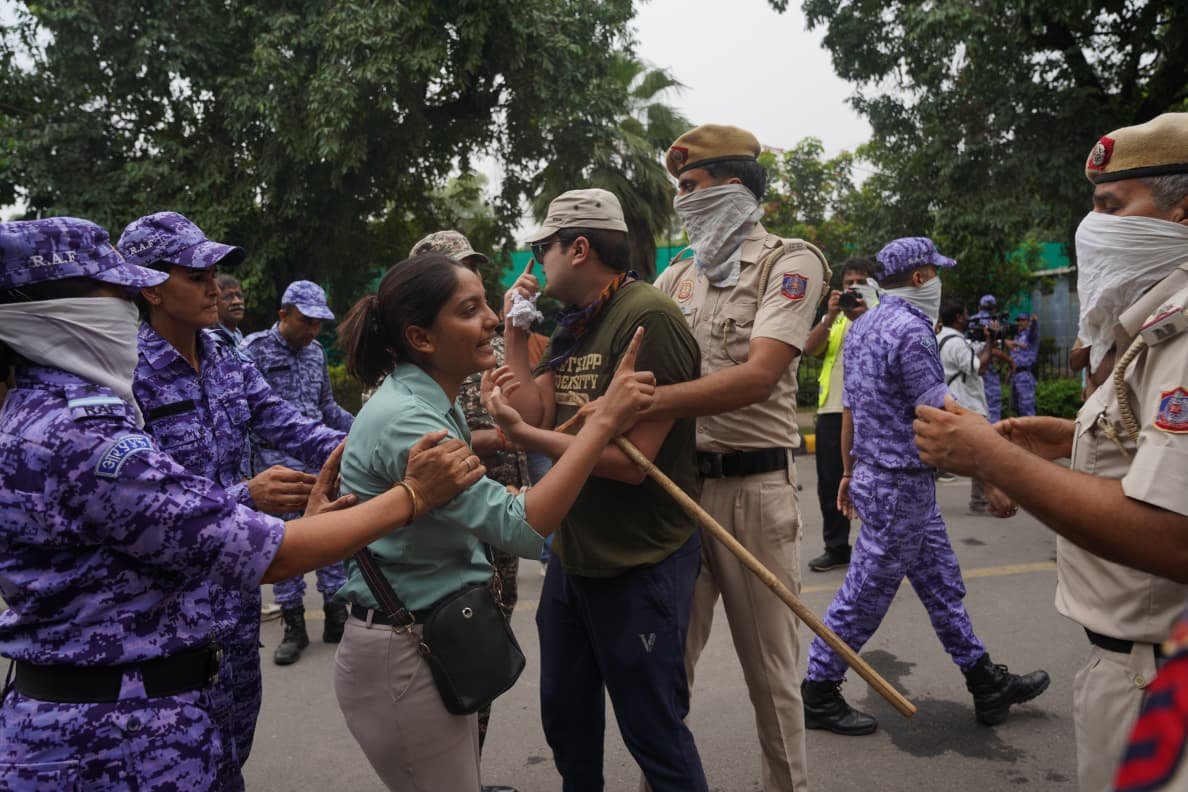
The Delhi Police has denied allegations of excessive and illegal force during the Civil Judgement Party (CJP) ‘Sansad Chalo’ march on July 20, telling the Supreme Court that the situation turned violent after protesters allegedly breached barricades and tried to move towards Parliament.
In a counter-affidavit filed by New Delhi Deputy Commissioner of Police Sachin Sharma, the police said its response was measured and that force was used only after repeated attempts to control the crowd failed.
Police: Over 30,000 People Took Part
According to the affidavit, more than 30,000 protesters were spread across an area of nearly three kilometres, while around 5,000 police personnel were deployed to manage the gathering.
The police said more than 240 uniformed personnel were injured, while around 200 protesters and members of the public underwent medico-legal examinations.
The affidavit said the scale of the gathering must be considered while assessing the police response.
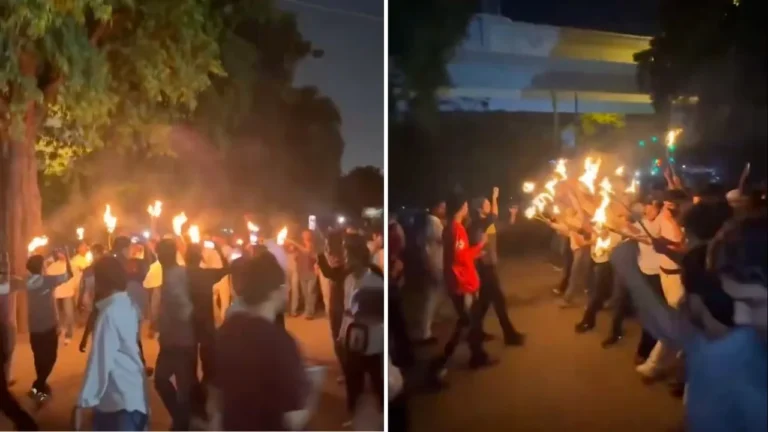
The police claimed that some people with criminal backgrounds were also present in the crowd and that the situation became difficult to control after barricades were breached.
‘March Towards Parliament Had No Permission’
The Delhi Police said the proposed march towards Parliament had not been granted permission. It also pointed to prohibitory orders under Section 163 of the Bharatiya Nagarik Suraksha Sanhita (BNSS) in the New Delhi district.
According to the affidavit, police repeatedly asked protesters to disperse before the crowd crossed multiple barricades.
The police alleged that some protesters then attacked officers and damaged public property.
“All measures were taken strictly in accordance with permissible modes of controlling violence,” the affidavit said.
The force also rejected claims based on photographs, short video clips and social media posts, saying such material did not necessarily show the complete sequence of events.
Police Denies Use of Nail-Fitted Lathis
The Delhi Police also responded to allegations that its personnel used lathis fitted with nails during the protest.
The force said footage showed only one such object and claimed it was being carried by a protester. It maintained that tear gas and a limited lathi charge were used only after other efforts to control the situation failed.
The police further defended the presence of personnel in civilian clothes during the protest.
‘Spotters’ Were Deployed Inside Crowd
According to the affidavit, plain-clothes personnel seen carrying lathis were “spotters” deployed to monitor developments from within the crowd.

The police said personnel from the Special Branch, Special Cell, Crime Branch and local police were positioned among protesters.
“These officers in plain clothes are called ‘spotters’,” the affidavit stated, arguing that such deployment is a normal security arrangement during large gatherings, including Republic Day and Independence Day events.
The police said the spotters were also meant to assist people facing harassment and respond quickly to criminal activity.
Police Defends Facial Recognition
The Delhi Police also defended the use of facial recognition technology during the protest, saying it was used as a policing measure rather than for indiscriminate surveillance.
The force claimed that 2,873 people identified during the operation were matched with existing criminal records, including cases involving serious offences. Of these, 92 allegedly had more than 10 cases against them.
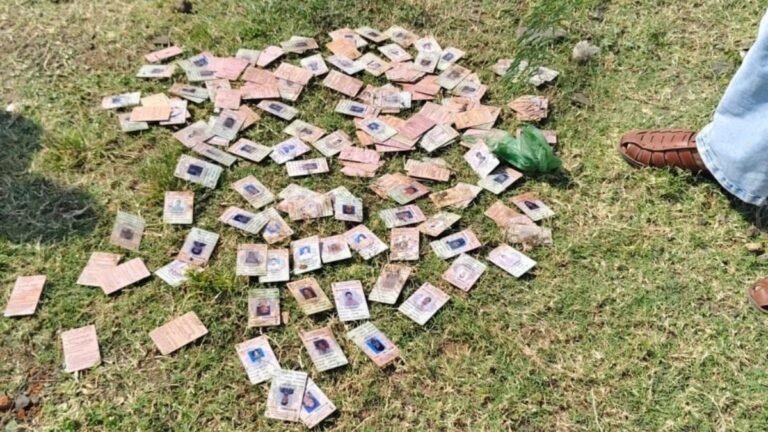
The police said facial recognition matches were not treated as conclusive and were followed by field verification.
It also said that any question regarding whether the police response was proportionate could be examined by a committee if the Supreme Court constituted one, and that the force would cooperate with such an inquiry.