

































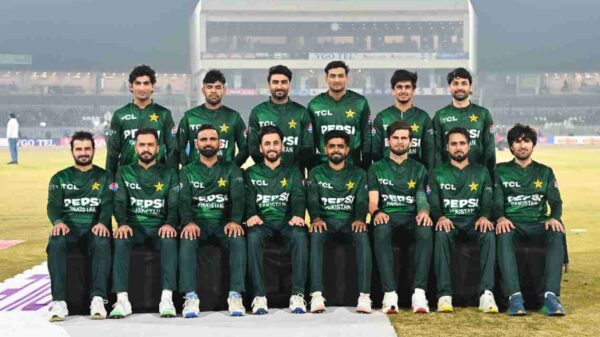

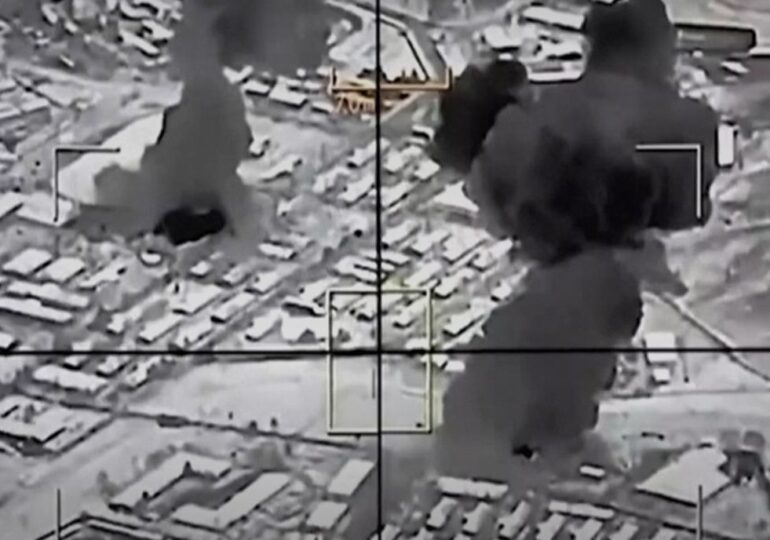
Tensions between Pakistan and Afghanistan sharply escalated on Friday after Islamabad carried out airstrikes in Kabul and other Afghan provinces, prompting Pakistan’s defence minister to declare the situation an “open war.”
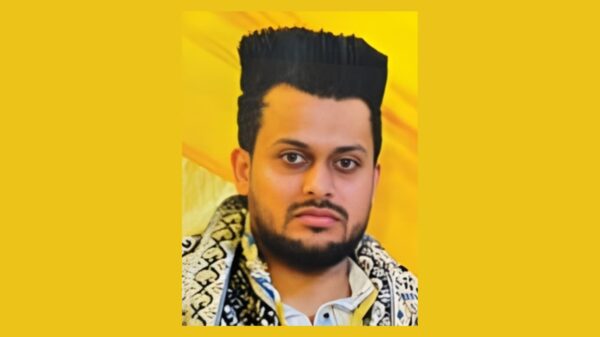
According to Taliban spokesperson Zabihullah Mujahid, Pakistani forces launched airstrikes in Kabul, Kandahar and Paktia early on February 27. The strikes came hours after Afghan forces reportedly attacked Pakistani border posts on Thursday night in retaliation for earlier Pakistani air operations.
Pakistan named its latest response Operation Ghazab lil Haq. Information Minister Attaullah Tarar said at least 133 Afghan Taliban fighters were killed and more than 200 injured in the operation. Defence Minister Khawaja Asif declared on X, “Our patience has reached its limit. Now it is open war between us and you.”
Taliban Claims Heavy Pakistani Casualties
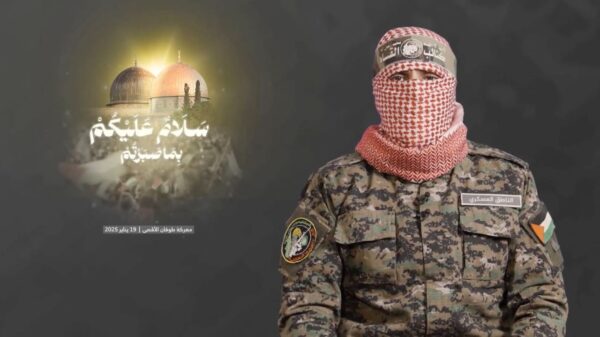
Mujahid rejected Pakistan’s claims and said Afghan forces had launched “large-scale offensive operations” against Pakistani military bases in response to repeated violations.
“Dozens of Pakistani soldiers have been killed,” Mujahid said, adding that 55 Pakistani soldiers were killed and 19 posts seized. He claimed Afghan forces captured more than 15 Pakistani outposts within two hours and transferred 10 bodies to Kunar province. He also said eight Taliban fighters were killed and 11 wounded, while 13 civilians were injured in Nangarhar province.
Pakistan’s information ministry said Afghan forces opened unprovoked fire across multiple locations in Khyber Pakhtunkhwa province. A senior official said Pakistani troops delivered an “immediate and effective response,” destroying several posts and equipment.
There were no immediate independent confirmations of the casualty figures from either side.
Months of Border Violence
The latest clashes are part of months of rising violence along the border. Relations between the two neighbours have worsened since deadly fighting in October that killed more than 70 people on both sides. Since then, major land crossings have largely remained shut.
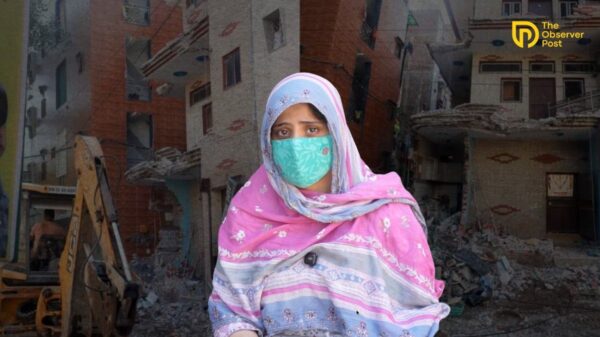
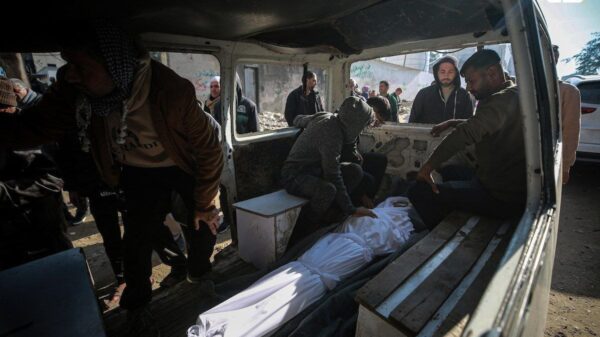
Pakistan recently carried out airstrikes in Nangarhar and Paktika provinces. The United Nations mission in Afghanistan said at least 13 civilians were killed in those strikes. The Taliban government claimed 18 people died and denied Pakistan’s earlier statement that more than 80 militants were killed.
Islamabad accuses Afghanistan of allowing militant groups to operate from its soil and carry out attacks inside Pakistan. The Taliban government denies these allegations.
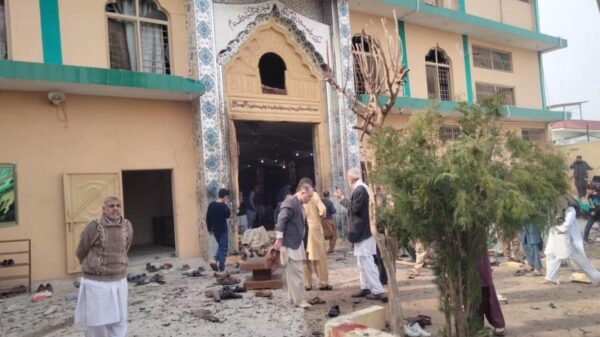
Pakistan said its recent airstrikes followed a series of deadly suicide bombings, including an attack on a Shiite mosque in Islamabad that killed at least 40 people. The regional chapter of the Islamic State group also claimed a deadly bombing in Kabul last month.
Military Strength Gap Between Pakistan and Afghanistan
The conflict has also drawn attention to the military imbalance between the two countries.
Afghanistan’s Taliban-led armed forces have around 172,000 active personnel and have announced plans to expand to 200,000. They possess armoured vehicles and artillery, but exact numbers are unclear. Afghanistan does not have functional fighter jets and only operates a limited number of aircraft and helicopters. It has no nuclear weapons.
Pakistan, by contrast, has around 660,000 active military personnel, including 560,000 in the army, 70,000 in the air force and 30,000 in the navy. It operates more than 6,000 armoured vehicles, over 4,600 artillery pieces, 465 combat aircraft and more than 260 helicopters. Pakistan is also a nuclear-armed country with about 170 warheads.
Prime Minister Shehbaz Sharif said, “Our forces have the full capability to crush any aggressive ambitions. The entire nation stands shoulder to shoulder with the Pakistan armed forces.”
International Calls for Restraint
The escalating conflict has raised global concern. Antonio Guterres is “following with concern the reports of cross border clashes,” according to his spokesperson. He urged both sides to resolve differences through diplomacy.
Iran has also offered to mediate. Foreign Minister Seyed Abbas Araghchi said during the month of Ramadan it was important for both countries to resolve disputes through dialogue and good neighbourly relations.