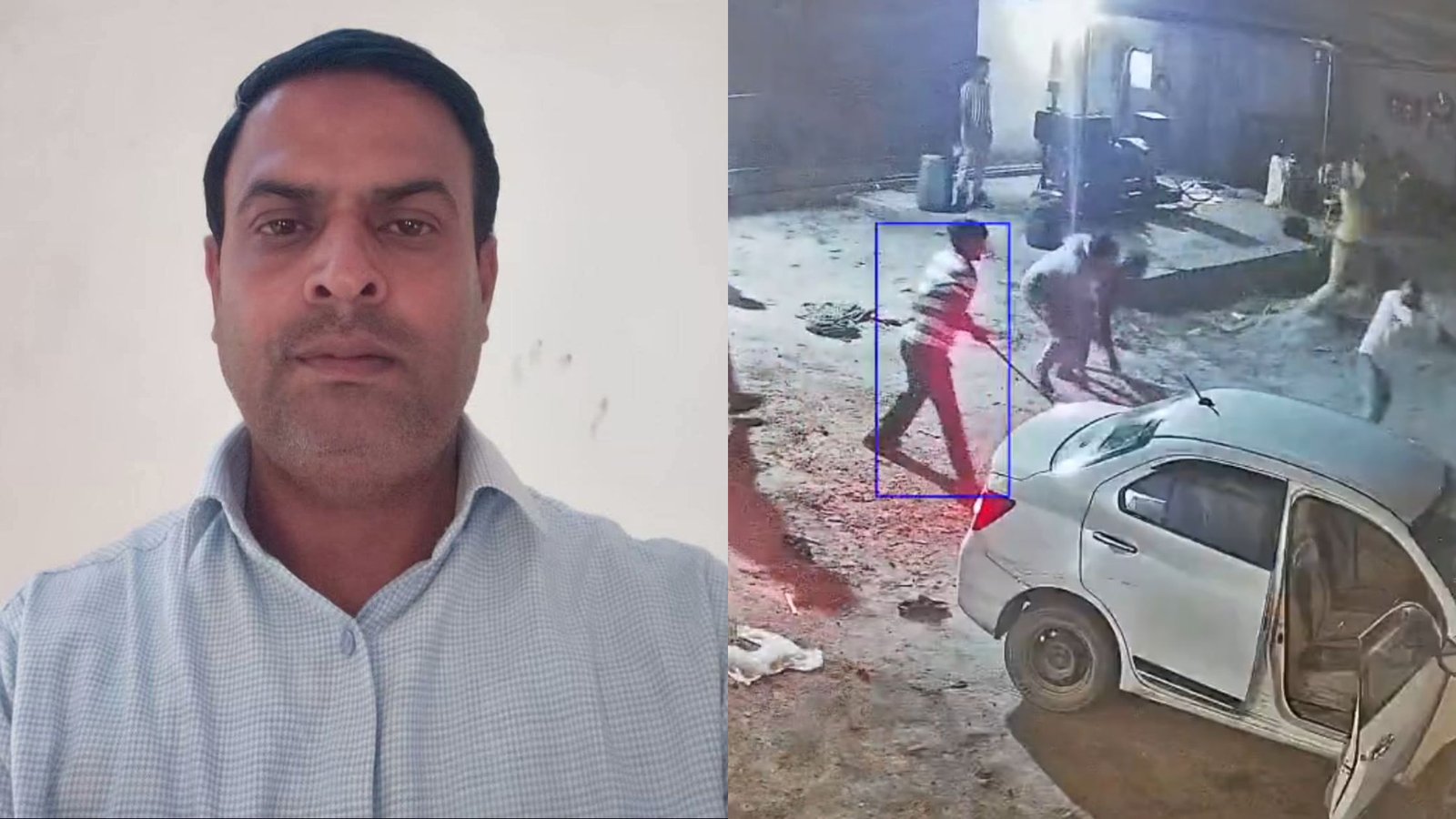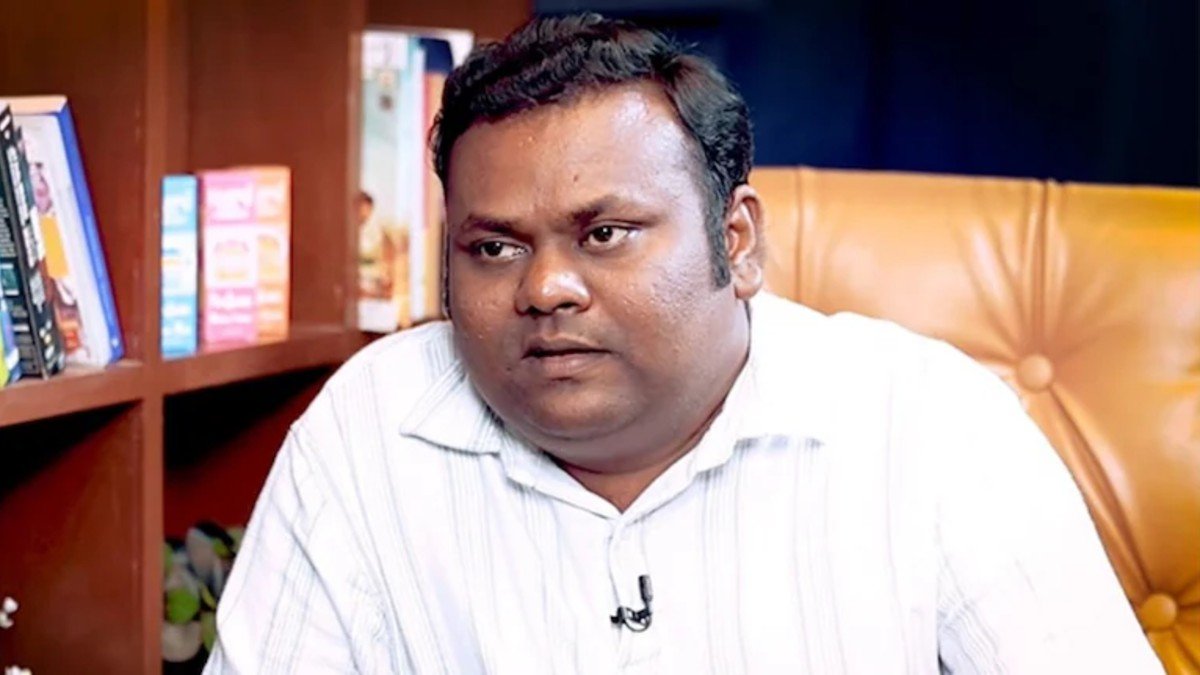
Actor Vinod Suryavanshi, who gained attention for his role in the popular web series Panchayat, has spoken about facing caste discrimination both in his village and in the film industry, highlighting how deeply rooted caste bias still remains.
In a recent interview, Suryavanshi shared painful memories from his childhood in Karnataka, saying that caste divisions continue to define everyday life. “My village has two parts—one for upper castes and one for lower castes. Dalits live separately. There is still a temple where we are not allowed,” he said.
“We Had to Wash Our Own Plates”
Recalling an incident from his childhood, he said, “I was around 12 when I went to a hotel with my father. We were made to wash our own plates and still had to pay for the food.” He added that such practices continue even today, showing how little has changed on the ground.
Suryavanshi also spoke about his difficult upbringing. His mother worked as a domestic help and his father was a mason. “When my father didn’t get work, he would come home drunk and beat my mother. During festivals, we used to cry because we couldn’t make things better,” he said.
Discrimination in Film Industry Over ‘Look’ and Background
Even after entering the entertainment industry, the actor said he faced humiliation and rejection. “No one spoke properly to junior artists. They were abused. Assistant directors misbehaved with us, though big actors never insulted us,” he said.
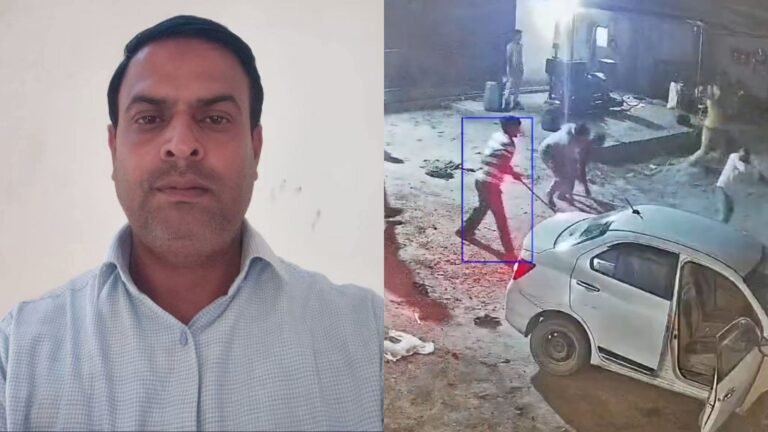
He also revealed how appearance-based bias affected his career. “I was rejected many times because of my look. Even for the role of a beggar, they wanted a ‘fair’ person. I was told, ‘you are dark, you pack up’,” he said, pointing to the industry’s preference for a certain appearance.
Filmmakers Speak About Caste Bias in Cinema
Filmmaker Neeraj Ghaywan has also spoken about caste inequality in the industry. He admitted that early in his career, he hesitated to reveal his caste identity. “Hindi cinema has mostly told stories of just 10–15% of the population, largely upper caste. Large sections have been ignored,” he said.
Similarly, director Pa Ranjith has used cinema as a tool to challenge caste oppression through films like Kaala. He believes that people’s behaviour on film sets often changes depending on caste and background. Through initiatives like The Casteless Collective, he has tried to create space for marginalized voices.
Artists Highlight Representation Gap
Filmmaker Jyoti Nisha has also spoken about caste-based discrimination, recalling how she was excluded from a ritual as a child because of her caste. She questioned the lack of representation in cinema, asking why so few films have been made on B. R. Ambedkar compared to other historical figures.
Director Nagraj Manjule described caste as a “disease” that society refuses to confront. “Unless we talk about caste, it will not end,” he said.
Debate on Caste in Cinema Growing
The issue of caste discrimination has also been reflected in films like Dhadak 2 and others that explore inter-caste relationships and social inequality. At the same time, controversies around censorship of caste-related content have raised questions about whether such realities are being suppressed.
Several actors have also highlighted discrimination based on colour, gender, and background. While Nawazuddin Siddiqui has spoken about being judged for his looks, actress Niharika Singh has raised concerns about “upper-caste patriarchy” in the industry.
Actor Janhvi Kapoor recently admitted that she had limited understanding of caste issues earlier but gained awareness after reading Ambedkar’s work. “I live on Ambedkar Road but knew so little about his history. Shame on me,” she said.
Suryavanshi’s testimony adds to a growing number of voices from the film industry calling attention to caste discrimination, both within cinema and in society, as debates around representation and equality continue to gain momentum.