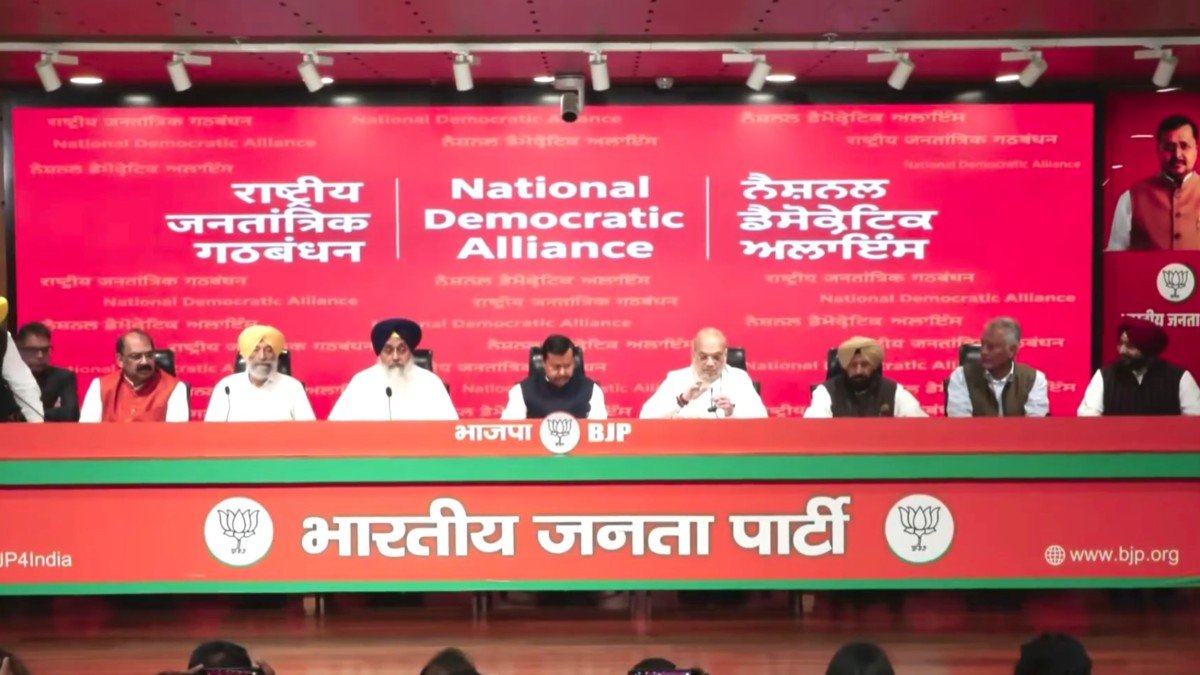
Human Rights Watch has accused Prime Minister Narendra Modi’s government of systematically weakening institutions meant to protect human rights and democratic freedoms, alleging that its actions over the past decade have eroded the rule of law and deepened India’s authoritarian turn.
In a 95-page report released on November 23, titled ‘So What’s This Democracy We’re Talking About? Modi’s Authoritarian Playbook in India’, the international rights organisation said the Bharatiya Janata Party (BJP)-led government had undermined parliamentary procedures, suppressed political opposition and used federal investigative agencies to target critics.
The report also alleged that the government had weakened constitutional and statutory bodies, including the Election Commission, Central Information Commission, anti-corruption ombudsman and human rights commissions, while interfering with the functioning of the judiciary.
“Over the past decade, the Modi government has been hollowing out India’s independent institutions that are critical to checking executive power and protecting civil liberties,” said Elaine Pearson, Asia director at Human Rights Watch.
“The government has eroded the rule of law and promoted Hindu majoritarianism, rolling back human rights protections, undermining the rights of marginalized communities, and deepening India’s authoritarian slide,” she added.
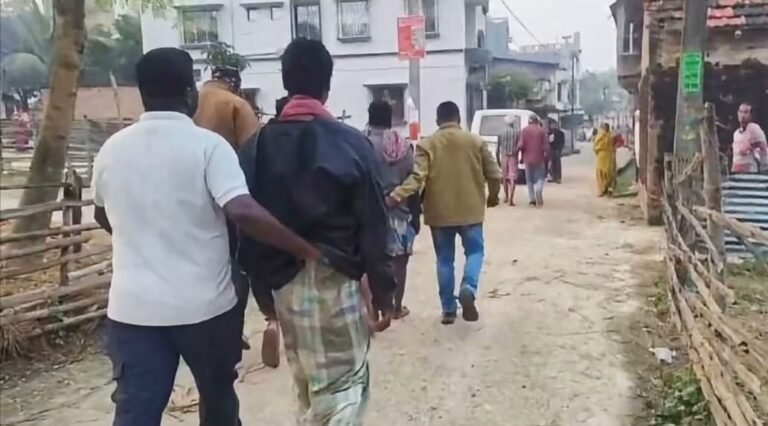
The organisation said it interviewed more than 40 lawyers, journalists, activists, researchers, academics, serving and former judges, and former government officials between January 2025 and September 2026.
Concerns over Election Commission and investigative agencies
The report alleged that the government had used parliamentary procedures to push through legislation without adequate scrutiny. It cited the December 2023 law governing the appointment of election commissioners, which it said entrenched executive control over the process and granted commissioners broad legal immunity for actions taken in their official capacity.
It also highlighted the suspension of 146 opposition MPs from both Houses of Parliament during the December 2023 session, when the law was passed.
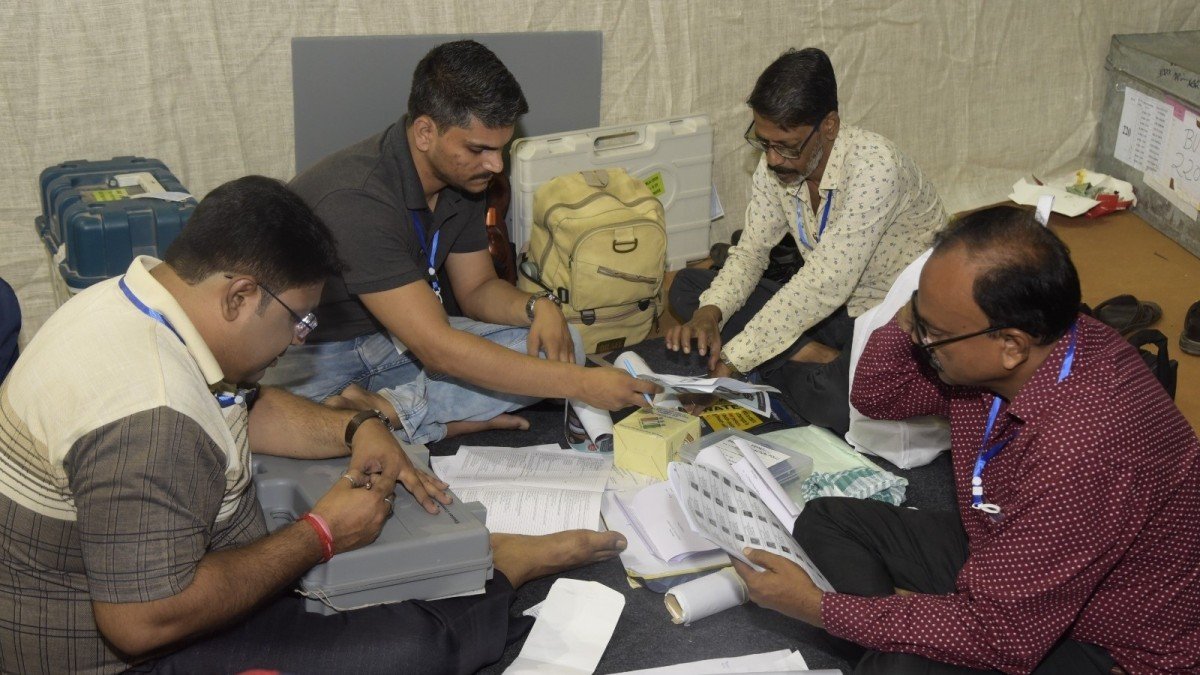
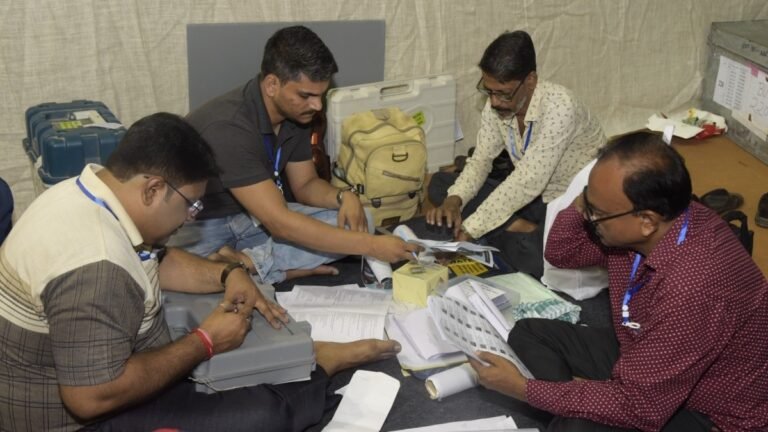
Human Rights Watch accused the Election Commission of failing to hold senior BJP leaders accountable for alleged violations of the election code of conduct, including hate speech. It also raised concerns over allegations of irregularities in voter lists, polling data and vote counting.
The report said the Special Intensive Revision (SIR) of electoral rolls had resulted in more than 130 million names being removed since June 2025, triggering protests across the country. It questioned the independence of the Election Commission and its ability to address concerns over the revision process.
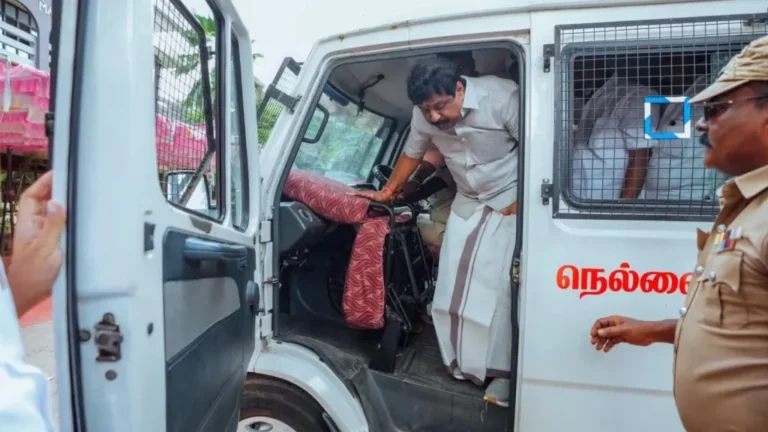
The organisation also alleged that the Enforcement Directorate (ED) had been used to pressure opposition politicians and encourage defections to the BJP.
Citing official data, the report said the ED filed cases against 193 politicians between April 2015 and February 2025, more than a 600 per cent increase from the 26 politicians investigated in the preceding decade. Most of those investigated were government opponents, it said.
It further alleged that investigations were stalled or charges dropped in some cases after accused politicians switched political allegiance.
Use of laws against activists and critics
The report accused the government of increasingly using financial investigation laws, including the Foreign Contribution (Regulation) Act, to target rights organisations, lawyers, activists and media groups.
It also raised concerns over the use of the Unlawful Activities (Prevention) Act (UAPA), alleging that human rights activists, journalists, students, academics and peaceful protesters had been jailed for extended periods without trial.
On the judiciary, Human Rights Watch criticised the Supreme Court’s 2022 judgment upholding and expanding enforcement agencies’ powers of arrest, search and seizure under the Prevention of Money Laundering Act.
The report also examined court proceedings concerning the SIR process. It noted that the Supreme Court had ruled in May 2026 that the available data did not indicate systemic disenfranchisement, despite millions of names having been removed from electoral rolls.
In West Bengal, around nine million names, amounting to 12 per cent of the electorate, were removed from voter lists in April 2026. The report said the court had indicated that those affected could be added back to the rolls later, even if they could not vote in that election. The Election Commission subsequently began reversing some decisions following protests.
HRW urges India’s allies to raise concerns
Human Rights Watch said the weakening of independent institutions, suppression of opposition and use of state agencies against critics were interconnected developments that had reduced checks on executive power.
It urged India’s international partners to raise concerns about human rights violations and the deterioration of democratic institutions during diplomatic engagements, at the United Nations Human Rights Council, and in negotiations over trade and security agreements.
“Checking India’s democratic decline means ending the use of state institutions as weapons against government critics and rebuilding them as safeguards for everyone’s rights,” Pearson said.
She urged India’s allies to press the Modi government to restore independent institutions and strengthen checks on executive power.