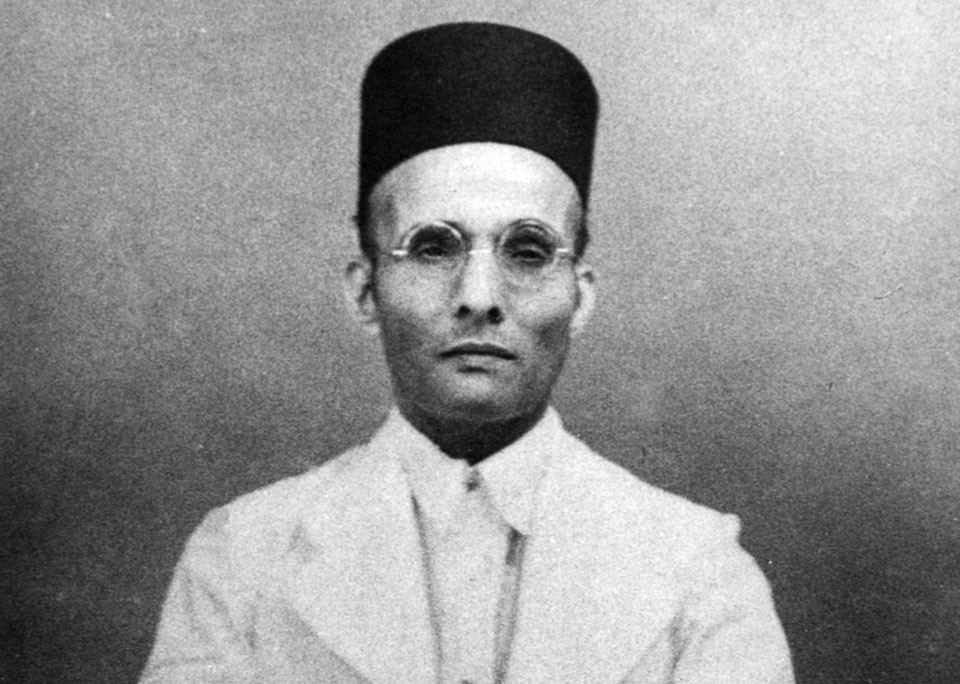
In a statement before a special MP/MLA court in Pune, Satyaki Savarkar, grandnephew of right-wing ideologue Vinayak Damodar Savarkar, said that Savarkar had filed 10 mercy petitions seeking reduction of his sentence during British rule.
The statement came during cross-examination in a criminal defamation case filed by Satyaki against Congress leader Rahul Gandhi over remarks made about Savarkar during a speech in London.
Appearing before Special Judge Amol Shinde on Monday, Satyaki admitted that Savarkar repeatedly sought clemency from the British authorities after being imprisoned in the Andaman Cellular Jail.
“It is true to say that Savarkar had filed a clemency petition ten times,” Satyaki told the court.
He also said Savarkar continued to be referred to as “Veer” even while filing those petitions.
Bhagat Singh and Other Revolutionaries Refused Clemency
During the hearing, Satyaki acknowledged that several revolutionaries of the same period did not seek mercy from the British government.
“It is true to say that revolutionists from that same period—Rajguru, Batukeshwar Dutt, and Ashfaqulla Khan—did not file a clemency petition,” he said.
Satyaki further admitted that freedom fighters like Bhagat Singh and Batukeshwar Dutt remained firm in their beliefs and refused to compromise with colonial authorities.
“It is true to say that Bhagat Singh and Batukeshwar Dutt remained steadfast in their ideology and principles until the very end,” he told the court.
He added that he was aware these revolutionaries did not compromise with the British government.
Mercy Petitions Available in Government Records
Satyaki informed the court that records of Savarkar’s mercy petitions are preserved in official government archives. However, he argued that the language used in the petitions did not show loyalty to the British regime.
“It is not true to say that the petitions contained words expressing loyalty to the British government,” he said.
According to him, filing mercy petitions was a standard legal process available to prisoners seeking sentence reduction under British rule.
“Filing a clemency petition was neither exceptional nor illegal,” Satyaki said, adding that many prisoners used the same legal procedure.
However, he admitted there is no expert report proving that Savarkar’s petitions were merely strategic or formal in nature.
Court Records Mention Savarkar’s Prison Conditions
The court also recorded excerpts from one of Savarkar’s mercy petitions, in which he reportedly complained about harsh treatment in jail and pointed out that others imprisoned with him had been released while he remained classified as a “Class D prisoner.”
Satyaki further admitted that no prisoner was forced to file mercy petitions and that it was entirely a personal choice.
“It is true to say that no prisoner was under any obligation to submit a mercy petition,” he said.
Defamation Case Against Rahul Gandhi
The case relates to allegations that Rahul Gandhi defamed Savarkar during a speech delivered in the United Kingdom in March 2023. Satyaki claims Gandhi made false remarks, including accusations that Savarkar wrote about assaulting a Muslim man in one of his writings.
Satyaki has argued that Gandhi’s comments damaged Savarkar’s reputation and caused distress to the family. The court will continue hearing the matter on July 1.